
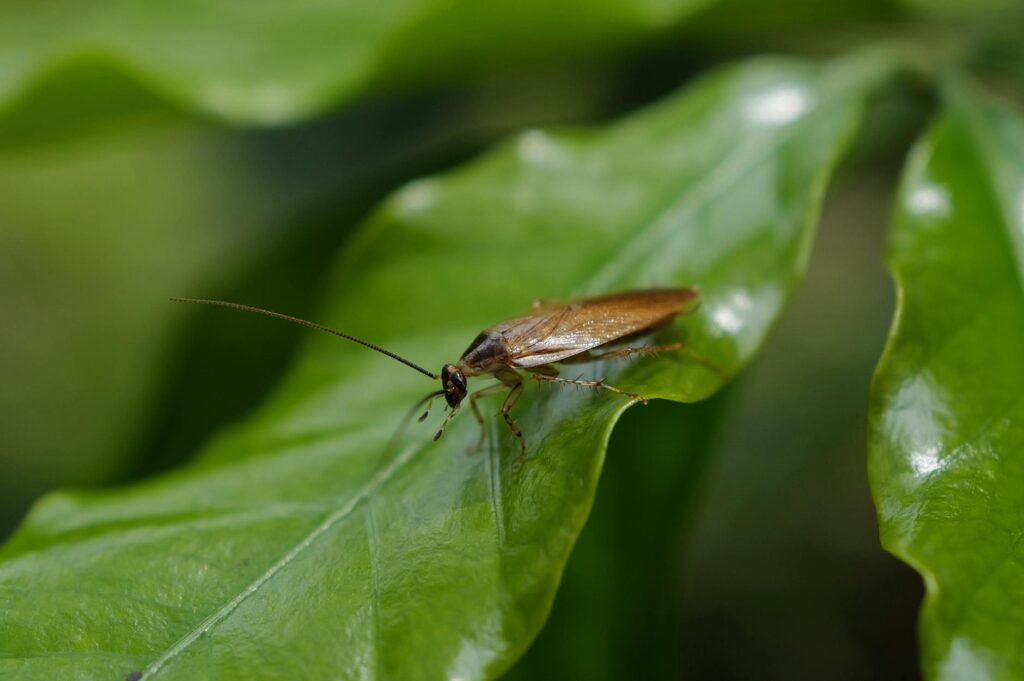
What Attracts Cockroaches can cause costly problems when early signs are missed. Learn the signs, risks, and when to call Brandley Pest Control.
Key Takeaways About What Attracts Cockroaches
- Cockroaches are drawn to accessible food, moisture, and sheltered spaces, so reducing these three attractants is the foundation of prevention.
- Several cockroach species can appear in and around homes, including American, German, smoky brown, Oriental, brown-banded, and Asian cockroaches, and each may favor different conditions.
- Cockroaches can spread harmful bacteria across surfaces and may contribute to indoor air-quality concerns through shed skins and droppings.
- Professional pest control tailored to the specific species involved can help address cockroach activity more effectively than general DIY approaches — replace with specific detail if possible.
How to Identify What Attracts Cockroaches
Knowing what draws cockroaches to a home starts with recognizing which species you are dealing with. Different cockroach types have distinct appearances and preferences, and accurate identification helps you understand where and why they show up. Below is a closer look at the species common in the OKC area, the indoor signs they leave behind, and the exterior entry points they use.
How to Tell Different Cockroach Types Apart
German cockroaches are light brown to tan, roughly half to five-eighths of an inch long, and carry two dark stripes running down their backs. Brown-banded cockroaches are similar in size at about half an inch but feature lighter brown banding and a circular marking on the top of the head. These two species are often confused with each other.
American cockroaches are larger, while smoky brown cockroaches are reddish brown to nearly black and typically measure between one and a quarter and one and a half inches long. Oriental cockroaches are dark brown to black and about one inch long. Asian cockroaches are tan and narrow, slightly over half an inch, with two dark bands on the head shield.
How to Spot Cockroach Activity Inside Your Home
Cockroach activity indoors often centers on areas where food and moisture are easy to reach. Kitchens and bathrooms tend to show signs first. Look for droppings along cabinet edges, beneath sinks, and near appliances. Shed skins and egg cases in hidden crevices also point to an active population.
Oriental cockroaches favor damp areas such as crawl spaces, basements, and drains. German cockroaches tend to stay close to food preparation and storage areas. Reducing clutter and sealing cracks helps make your home less inviting to any of these species.
Where Cockroach Activity Shows Up Around Homes
Smoky brown cockroaches are often associated with foliage and mulch around the outside of a home. American and Oriental cockroaches may come from outdoor plumbing areas or crawl spaces. Asian cockroaches are often attracted to light, which can draw them toward porches and doorways at night.
Exterior Entry Points Cockroaches Use
Gaps around doors, windows, plumbing penetrations, and foundation cracks all give cockroaches a path inside. Sealing these entry points and fixing moisture issues around your home reduces the conditions that attract cockroaches in the first place. Keeping kitchens and bathrooms clean and storing food in airtight containers further limits available food and water sources.
Why Cockroach Problems Develop
Cockroach problems rarely start overnight. These pests follow basic survival cues, and your home can provide exactly what they need. Understanding the food, moisture, shelter, and entry points that draw cockroaches in helps you see why infestations take hold and how they grow.
Outdoor Nesting Areas for Cockroaches
Several cockroach species start outdoors before working their way inside. American cockroaches, oriental cockroaches, and smokybrown cockroaches can nest around exterior areas of a home. According to the University of Tennessee Extension, pests seek protection and shelter in dark cavities in walls or crawl spaces. These hidden spots give cockroaches the cover they need close to your home’s exterior.
German cockroaches, by contrast, spend their lives indoors. Once they find a suitable indoor environment, they tend to stay, preferring sites close to moisture and food.
Food and Shelter That Attract Cockroaches
Food is the primary draw. German cockroaches may become pests in homes, restaurants, warehouses, apartments, and virtually any structure that has food preparation or storage areas. Pests are also attracted by warm air, moisture, and even odors from spilled materials or a soured mop.
Brown-banded cockroaches prefer starchy foods and can do well in drier areas of a home. Keeping susceptible food in airtight containers or in a refrigerator or freezer can help reduce available food sources. Good sanitation is the best way to keep an infestation from becoming established.
How Cockroaches Move Around Homes
German cockroaches gravitate toward kitchens, bathrooms, and anywhere moisture and food overlap. Light and warm air can also pull pests toward living spaces from wall voids or crawl spaces.
Because cockroaches are drawn to shelter in dark cavities, they can move through walls and hidden spaces without being noticed right away.
Trails and Entry Points Cockroaches Use
Cracks and gaps around your home give cockroaches a direct path inside. Combining several methods, such as caulking entry points, cleaning up food sources, and baiting when necessary, helps reduce the opportunities cockroaches have to enter and settle in.
Inspecting stored food on a routine basis and sealing it in airtight containers also limits what cockroaches can access once they do find a way indoors.
Risks From What Attracts Cockroaches
When cockroaches find the food, water, and shelter they need, they do more than become a nuisance. The same conditions that draw these pests into your home can create ongoing health and property concerns that grow worse over time.
Health Risks Linked to Cockroaches
Cockroaches live and feed in unsanitary environments, including rotting and bacteria-filled biological matter. As they move through a home, they can spread harmful bacteria across countertops, tables, and food preparation areas. Diseases linked to cockroach activity include dysentery, typhoid fever, cholera, salmonellosis, and gastroenteritis.
Beyond surface contamination, cockroaches can affect indoor air quality. Their shed skins and fecal material break down into tiny particles that become airborne and may trigger allergies, asthma, and other respiratory issues. The larger the infestation, the greater these concerns become for your household.
Property Damage From Cockroaches
Cockroaches that settle into a home can leave droppings and staining in the areas they frequent. According to the University of Georgia pest guide, smokybrown cockroaches commonly live in treeholes, attics, crawl spaces, and sheds in suburban neighborhoods with mature hardwood trees. When these pests move from outdoor harborage into your home, they can soil stored items and leave waste in hard-to-reach spaces like wall voids and attic insulation.
Food Areas and Cockroach Activity
Kitchens and food storage areas are prime targets for cockroach activity. These pests contaminate surfaces and food through contact rather than direct biting, which makes infestations in food preparation areas especially concerning. Keeping food areas clean and sealing entry points helps reduce what draws these pests indoors.
When to Look Closer at Cockroach Activity
If you notice droppings, shed skins, or an unusual musty odor, cockroach activity may already be under way. Because these pests multiply within weeks, early attention matters. Removing food, water, and shelter sources around your home is the first step, but ongoing professional pest control also helps create a protective barrier against repeat infestations.
Professional Pest Control for What Attracts Cockroaches
Understanding what attracts cockroaches is the first step, but lasting results often require a professional approach. Addressing attractants alongside targeted treatment helps keep your home less inviting to these pests.
How to Reduce Cockroach Attractants
The best way to prevent cockroaches is to remove the food, water, and shelter sources they rely on. Keeping kitchens and bathrooms clean, sealing cracks and entry points, fixing moisture issues, and reducing clutter all help make your home less attractive to roaches.
Ongoing professional pest control can also help create a protective barrier around your home. Pairing good housekeeping habits with routine treatments works to address the conditions that draw cockroaches in the first place.
Why Cockroach Control Starts With Inspection
An inspection of entry points, moisture sources, and harborage areas helps identify the specific species involved and the conditions supporting activity. Brandley Pest Control’s Pest Maintenance Plan includes communication and inspection as part of every service visit, so the treatment approach is informed by what your home actually needs.
Because different cockroach species respond to different conditions, knowing where moisture, food sources, and entry points exist guides the entire process. Inspection findings shape whether treatment focuses on the exterior perimeter, interior crack and crevice areas, or both.
What to Expect During Professional Cockroach Treatment
Brandley Pest Control tailors treatment to the cockroach species present. For American and Oriental cockroaches, which typically enter from outdoors or plumbing areas, the focus is on exterior perimeter treatments and entry point control, with interior applications if needed.
For smoky brown cockroaches, treatment concentrates on exterior areas around foliage, mulch, and entry points, along with attic or wall void treatments when necessary. The Pest Maintenance Plan covers inside and outside crack and crevice treatment as part of the standard service.
DIY sprays and over-the-counter products can push roaches deeper into hiding, making infestations harder to address. Professional treatments are applied according to strict safety guidelines to protect your home and family.
What to Expect From a Cockroach Control Plan
Brandley Pest Control’s Pest Maintenance Plan is structured around recurring visits to maintain coverage over time. Plan frequency options include semi-annual, quarterly, bi-monthly, and monthly service intervals, scaled by your home’s square footage.
Add-on services such as Attic Dust or Crawl Space Dusting are available when cockroach activity extends into harder-to-reach areas. These targeted additions complement the standard crack and crevice approach included in every plan.
Cockroach species covered in the service area include American, smoky brown, brown-banded, Asian, and Oriental cockroaches. By matching the treatment to the species and the attractants present, Brandley Pest Control works to address the root conditions that bring cockroaches into your home.
Bottom Line on What Attracts Cockroaches
Cockroaches look for three things in your home: food, moisture, and shelter. Removing those attractants is the most practical first step you can take. Clean kitchens and bathrooms, seal cracks and entry points, fix leaky plumbing, and store food in airtight containers. Because different cockroach species behave differently, a targeted approach matters more than a one-size-fits-all spray. If you are dealing with cockroaches in your home, contact Brandley Pest Control to schedule an inspection and get a treatment plan tailored to the species involved.
Frequently Asked Questions
Why Do Cockroaches Keep Coming Back?
Cockroaches return when food, water, or shelter sources remain available. Even small crumbs, dripping faucets, or unsealed gaps around pipes can draw them in again. Consistent cleaning, moisture control, and sealing entry points help reduce the conditions that invite repeat activity.
Are Cockroaches a Health Concern?
Yes. Cockroaches can carry bacteria from unsanitary environments onto household surfaces. Their shed skins and fecal material may also become airborne and contribute to allergy and asthma symptoms, particularly in larger infestations.
Can I Handle a Cockroach Problem on My Own?
DIY sprays often scatter roaches into deeper hiding spots rather than eliminating them. Professional pest control uses targeted treatments applied according to strict safety guidelines, reaching hidden areas that store-bought products typically miss.
What Cockroach Species Might I Find in My Home?
Cockroach species in the Brandley Pest Control service area include American, German, brown-banded, smoky brown, Asian, and Oriental cockroaches. Each species has different size, color, and habitat preferences, so proper identification helps determine the right treatment approach.