
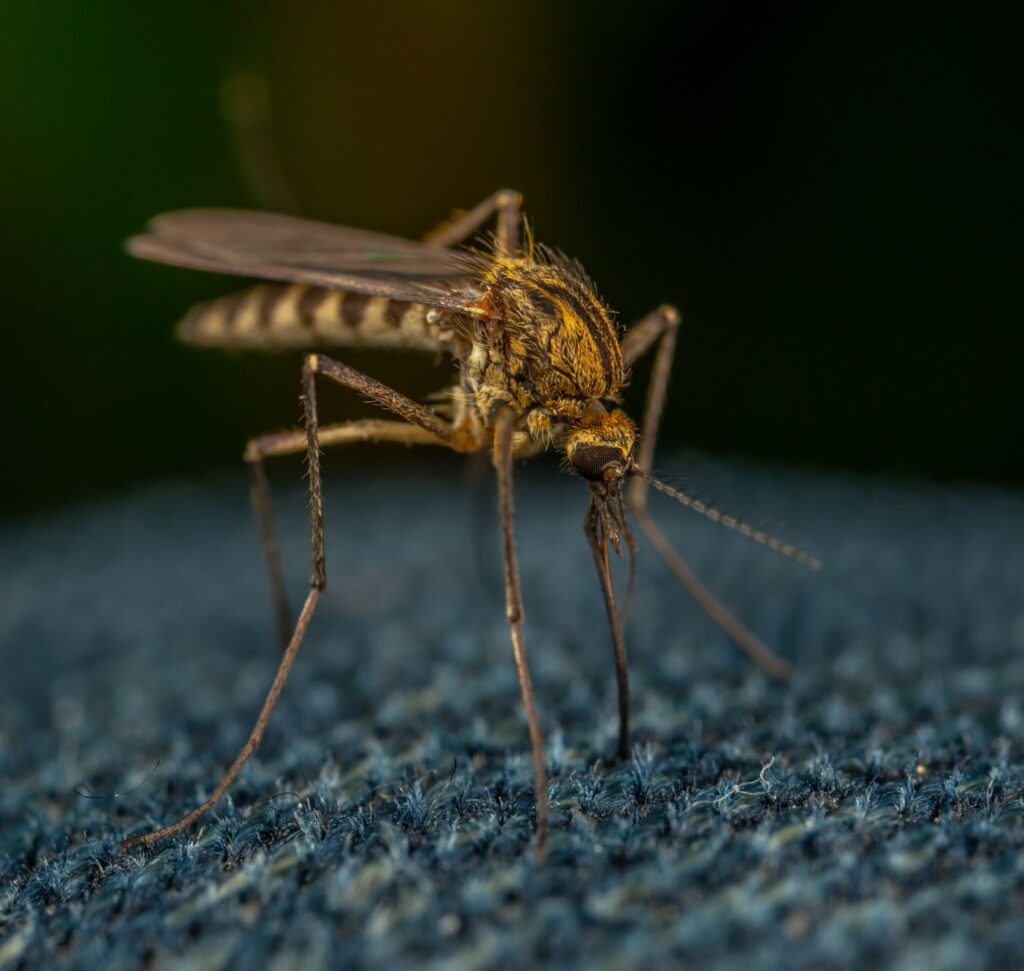
How to Keep Mosquitoes Away can cause costly problems when early signs are missed. Learn the signs, risks, and when to call Brandley Pest Control.
Key Takeaways for Keeping Mosquitoes Away
- Reducing standing water around your property is one of the most important steps for mosquito control, since mosquitoes need water to breed.
- Wearing protective clothing and using repellent when spending time outdoors can help reduce mosquito bites.
- Routine property inspections, especially after rainfall, help you spot and address conditions that may attract mosquitoes.
- Professional mosquito services, including monthly fogging and ongoing population management, can provide broader yard coverage than DIY steps alone.
How to Identify Mosquito Activity
Before you can keep mosquitoes away from your home, you need to recognize the signs that they are already active on your property. As Texas A&M AgriLife Extension notes, understanding which mosquito species are present helps determine the best control and prevention strategies.
How to Tell Different Mosquito Types Apart
Not all mosquitoes behave the same way, and the species around your yard can influence which prevention approach works best. Some mosquitoes are most active at dawn and dusk, while others may bite during daytime hours. Paying attention to when and where you notice bites can give you a useful starting point for narrowing down what you are dealing with.
How to Spot Mosquito Activity Inside Your Home
Mosquitoes that make it indoors are often found resting on walls, ceilings, or in shaded corners. You may also hear their high-pitched buzzing near your ears while sitting still or sleeping. If you are getting bitten inside, it is a sign that mosquitoes have found a way in and that your home may benefit from additional barriers or repellent options.
Fan-powered repellent devices, which contain a pad with repellent material and use a fan to distribute it near your body, can help reduce bites in indoor or semi-enclosed spaces. These devices offer a hands-free option for areas like patios that transition between indoors and outdoors.
Where Mosquito Activity Shows Up Around Homes
Mosquito populations can surge after periods of rainfall, which creates conditions they need to breed. Watch for increased activity in your yard following storms or extended wet weather. Shaded, damp areas with little air movement tend to attract resting mosquitoes during the heat of the day.
Our trained technicians at Brandley Pest Control identify areas of your property that may be contributing to a mosquito problem. You can often address these conditions without additional products.
Exterior Entry Points Mosquitoes Use
Mosquitoes enter through open doors, windows, and gaps in screens. Keeping screens in good repair and closing doors after entering reduces the number that get inside. According to UF/IFAS Extension, repellents make humans unattractive to a mosquito so it avoids treated areas of the body, though repellents do not kill mosquitoes. The best options can provide protection from bites for over one hour with a single application.
Why Mosquito Problems Develop
Mosquito problems rarely appear out of nowhere. They follow predictable patterns tied to rain, standing water, and the shelter your yard provides. Understanding what draws mosquitoes in is the first step toward keeping them away.
Outdoor Nesting Areas for Mosquitoes
Heavy rains saturate the ground and create standing water that serves as breeding habitat. According to Texas A&M AgriLife Extension, floodwater mosquitoes are often the first to appear after rain events, laying eggs in moist soil around puddles and ditches. Those eggs can remain dormant for years before water triggers hatching.
Even a neglected swimming pool can become a breeding site. Keeping pool water treated and circulating helps remove that opportunity.
Food and Shelter That Attract Mosquitoes
Mosquitoes need standing water to reproduce and shaded, humid areas to rest between feedings. Any container that holds water, no matter how small, can support a new generation. According to the EPA, rain gutters, old tires, buckets, plastic covers, and toys are all common breeding spots around a home.
How Mosquitoes Move Around Homes
Some species bite from dawn to dusk without stopping, and their habitat becomes widespread after heavy rainfall, making them difficult to control. This means pressure on your yard can surge following storms.
EPA-registered repellents containing DEET are among the most useful options for personal protection against bites when you are spending time outdoors. Only use repellents registered by the EPA.
Trails and Entry Points Mosquitoes Use
Low spots in your yard where water collects after rain, ditches along property lines, and poorly drained flower beds all create pathways that guide mosquitoes closer to your home.
Oil of lemon eucalyptus is another repellent option, but it should not be used on children under 3 years of age. University of Florida research noted that one study participant experienced a skin reaction when testing this product.
Risks From Mosquito Infestations
Knowing how to keep mosquitoes away matters because the risks go beyond itchy bites. Incomplete prevention efforts can leave gaps that allow mosquito activity to continue around your home.
Health Risks Linked to Mosquitoes
According to the EPA, managing mosquito populations is tied to disease prevention. Reducing standing water, using repellents, and wearing protective clothing when outdoors can all decrease your chances of getting bitten.
Covering exposed skin with long-sleeved shirts, long pants, and socks is one straightforward way to limit bites. Oil of lemon eucalyptus has not been tested against mosquitoes that spread certain diseases such as malaria, so it may not be a suitable choice in areas where those diseases are a concern. The label also specifies it should not be used on children under 3 years of age.
Property Damage From Mosquitoes
Mosquitoes do not cause structural damage to your home. However, persistent mosquito activity can make outdoor spaces uncomfortable and difficult to enjoy. Yards with conditions that attract mosquitoes can become ongoing problem areas when those conditions are not addressed.
According to UC IPM, outdoor sprays and other repellent devices can temporarily reduce the number of adult mosquitoes but have no lasting effect. Relying on these tools alone may leave your property vulnerable to continued activity.
Food Areas and Mosquito Activity
Outdoor dining areas, patios with food prep stations, and open gathering spaces can draw more attention to mosquito problems. Wearing protective clothing and using repellents while spending time in these areas can help reduce bites. Keeping nearby water from accumulating is equally important for lowering mosquito presence around places where you eat or entertain.
When to Look Closer at Mosquito Activity
If you have taken basic steps and still notice heavy mosquito activity around your yard, it may be time to look more carefully at what is attracting them. Your local mosquito abatement or vector control district can offer guidance. A trained technician can also pinpoint conducive conditions that DIY methods alone may miss.
Professional Pest Control for Mosquitoes
Keeping mosquitoes away from your yard takes more than a single weekend project. A combination of reducing what attracts them, routine inspections, and professional treatment can help lower mosquito activity around your home over time.
How to Reduce Mosquito Attractants
Standing water is the primary condition mosquitoes need to breed. According to the EPA, Aedes aegypti mosquitoes lay eggs in tree holes, artificial containers, tires, and even bottle caps. That means even small, overlooked water sources can contribute to the problem.
Homeowners can also apply larval control products like dunks to water that cannot be drained. However, over-the-counter adult mosquito sprays typically last only about 24 hours, which limits their usefulness for ongoing control. Addressing breeding conditions is often more productive than relying on store-bought sprays alone.
Why Mosquito Control Starts With Inspection
Inspect your property after each rain to find and remove standing water before mosquitoes can use it. Our trained technicians assess your yard for conducive conditions, many of which can be addressed without additional product applications.
Because mosquitoes can lay eggs in surprisingly small amounts of water, inspections should cover less obvious spots as well as larger puddles. Catching these areas early helps reduce breeding opportunities across the yard.
What to Expect During Professional Mosquito Treatment
Brandley Pest Control uses monthly fogging with One Guard through backpack fogging treatments. Each mosquito treatment takes approximately thirty minutes, though this can vary based on the size of your yard. There is no need to prep your yard before we arrive.
We also install the In2Care system, which uses biological sterilization pellets to prevent the growth and reproductive cycle of mosquitoes. Mosquitoes that interact with the system carry the active ingredient to nearby breeding sites within roughly 4,500 square feet, reducing breeding in those areas. The pellets can be used around pets and in aquatic areas that contain fish.
What to Expect From a Mosquito Control Plan
Our mosquito reduction services are designed to decrease the mosquito population with each application. The In2Care system works continuously between visits, targeting water that has accumulated in lower areas. Monthly fogging adds a barrier that discourages mosquitoes from neighboring properties from gaining a foothold on yours.
Brandley Pest Control offers a re-treat guarantee, and same-day scheduling is available. For additional local management information, your county mosquito and vector control agency can also be a helpful resource, as UC IPM recommends. Pairing professional treatment with your own efforts to remove standing water gives your yard the best chance at staying comfortable through mosquito season.
Bottom Line on Keeping Mosquitoes Away
Keeping mosquitoes away comes down to consistent habits rather than a single fix. Reducing standing water on your property, wearing protective clothing outdoors, and using repellents all play a role. DIY products can help in the short term, but they have limits. For ongoing mosquito pressure, professional services like Brandley Pest Control’s monthly fogging and In2Care system can work together to reduce mosquito populations over time. If you’re ready for a layered approach combining DIY steps with professional treatment, reach out to Brandley Pest Control to request a quote.
Frequently Asked Questions
What Is the Single Most Important Step To Reduce Mosquitoes?
Removing sources of standing water is the foundation of any mosquito reduction effort. Without accessible water, mosquitoes have fewer places to breed. Walk your yard regularly and address anything that collects and holds water.
How Long Do Store-Bought Mosquito Sprays Last?
Over-the-counter mosquito sprays generally offer short-lived results. A professional service can provide more sustained coverage through recurring treatments and systems designed to target mosquito breeding over a wider area.
Do I Need To Prepare My Yard Before a Professional Treatment?
No preparation is needed before Brandley Pest Control arrives. Each treatment takes roughly thirty minutes, though the time may vary depending on the size of your yard.
How Does the In2Care System Work Alongside Fogging?
Brandley Pest Control pairs monthly fogging with the In2Care system. The In2Care system attracts mosquitoes, which then spread biological sterilization material to nearby standing water, reducing the population’s ability to breed within approximately 4,500 square feet. Together, these methods add a layered approach to mosquito management across your yard.