
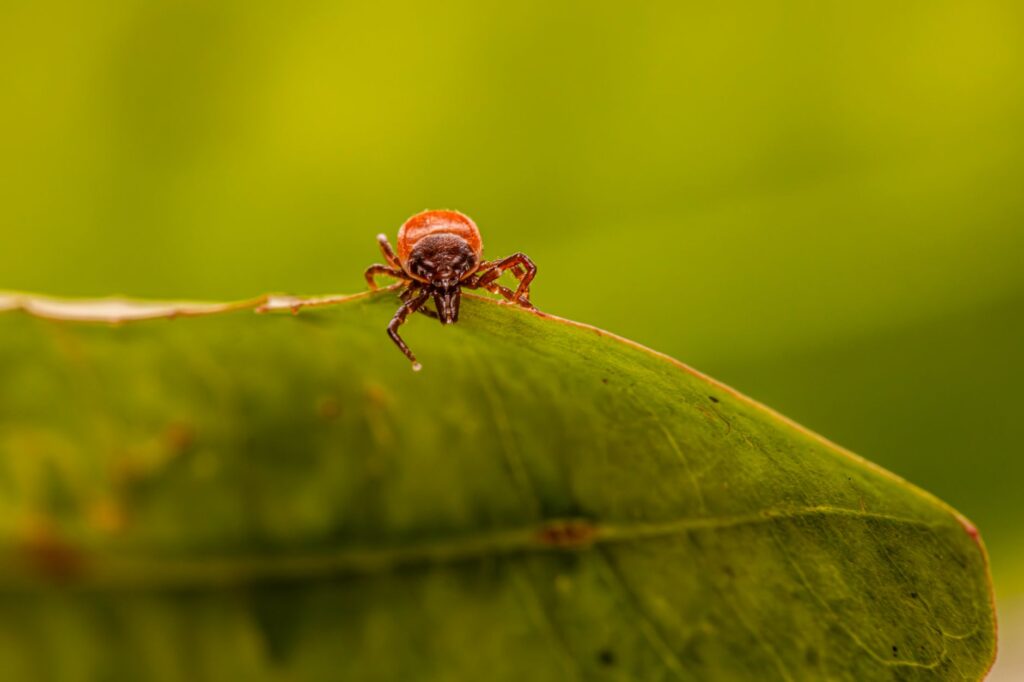
Flea bites vs bed bug bites can cause costly problems when early signs are missed. Learn the signs, risks, and when to call Brandley Pest Control.
Key Takeaways About Flea Bites Vs Bed Bug Bites
- These two bite types look similar on the skin. Finding the actual insect is often the best way to confirm which pest you are dealing with.
- Both may cause itching, and some people experience allergic reactions or secondary issues from scratching. Others may have no noticeable reaction at all.
- Fleas are often associated with pets in the home, while bed bugs tend to hide near sleeping areas. Identifying the correct pest matters because each one calls for a different treatment approach.
How to Identify Flea Bites Vs Bed Bug Bites
Telling flea bites apart from bed bug bites can be tricky because both pests feed on blood and leave marks on the body. However, each pest behaves differently, leaves distinct clues on your skin, and shows up in different parts of your home. Understanding those differences helps you figure out which pest you are dealing with so you can respond the right way.
How to Tell Flea Bites Vs Bed Bug Bite Types Apart
Fleas are small, about 1/16 inch long, reddish-brown, and wingless. Their body is compressed from the sides, and their long legs are adapted for jumping. Adult fleas prefer to feed on dogs, cats, opossums, foxes, and sometimes rats and other urban animals. When pets are not available, humans may be attacked.
Bed bug bites typically appear as small red bumps or welts on the skin and are often found in clusters or lines. They commonly show up on areas of the body exposed during sleep, such as the arms, neck, shoulders, or legs, and may cause itching or irritation. Bed bugs feed by piercing the skin with an elongated mouthpart made up of four stylets that fold under the body at rest but fully extend during feeding, according to UC IPM.
Nighttime bites grouped on the face, neck, arms, legs, or chest can also resemble bites from other blood-feeding pests such as conenose bugs, according to UC IPM. Appearance alone does not always confirm which pest is responsible, so looking for other signs in your home is important.
How to Spot Flea Bites Vs Bed Bug Bite Activity Inside Your Home
If your pet is scratching or chewing its body, check for fleas in the hair or fur. Cat fleas and dog fleas are both common household pests. You may also notice flea larvae in pet beds or on floors, where they feed on dandruff, body wastes, and other debris.
Bed bug activity often shows up as tiny reddish-brown bugs, shed skins, dark spots on mattresses or bedding, or a musty odor in the room. These signs tend to concentrate near sleeping areas such as mattresses, bed frames, and nearby cracks and crevices.
Where Flea Bites Vs Bed Bug Bite Activity Shows Up Around Homes
Flea activity usually centers on areas where pets spend time. Flea larvae develop in pet beds and along floors, changing to pupae and then to adults in 12 to 15 days. Once they reach adulthood, fleas immediately search for animals on which to feed. That means carpeted rooms, pet resting spots, and furniture where pets lounge are common hotspots.
Bed bug activity typically stays closer to beds, bed frames, furniture, baseboards, and cracks and crevices where these pests hide during the day. Because bed bugs target sleeping humans, the bites and evidence tend to cluster in bedrooms and living spaces with upholstered seating.
Exterior Entry Points flea bites vs bed bug Use
Fleas usually arrive on the body of a pet or wildlife host. Yards where dogs, cats, opossums, and foxes visit can become pickup points. Once a pet carries fleas inside, the infestation can spread to interior floors and bedding.
Bed bugs are hitchhikers. They travel on luggage, clothing, and furniture rather than arriving on animal hosts. Your lifestyle or income does not determine your risk. Anyone can pick up bed bugs from hotels, shared spaces, or secondhand items and unknowingly bring them home.
Why Flea Bites Vs Bed Bug Bites Problems Develop
Both pests depend on blood meals, but their habitats, hosts, and movement patterns differ. Those differences shape where bites appear on your body and how an infestation grows inside your home.
Outdoor Nesting Areas for flea bites vs bed bug
Fleas typically develop outdoors before making their way inside. Pets that spend time in the yard can pick up newly emerged adult fleas and carry them indoors. According to Purdue Extension, fleas are well known for their ability to jump, sometimes covering 8 to 10 inches, latching onto a potential host that walks by.
Bed bugs, by contrast, are indoor pests. They depend solely on blood for food and tend to stay close to sleeping areas. Outdoor harborage is not part of their lifecycle, which is one reason the two pests call for different approaches.
Food and Shelter That Attract flea bites vs bed bug
Fleas may bite people, particularly if no other host is present. In homes with pets, fleas concentrate where animals rest or sleep. Bed bugs feed on human blood and usually bite when people are sleeping, hiding nearby during the day.
Because bed bugs can develop large infestations when left unchecked, the feeding pressure can lead to emotional anguish and sleeplessness. In most people, bites cause red welts and itching that can last several days, though some people have no reaction at all.
How flea bites vs bed bug Move Around Homes
Flea bites occur most often near the ankles and lower legs because adult fleas jump from floor-level hiding spots onto a passing host. Bed bugs feed at night while people are sleeping, but bites may not be noticed until later. A single bed bug can consume up to six times its weight in blood during a feeding that typically takes between 3 and 10 minutes.
Distinguishing these bites by appearance alone is difficult. A bed bug needs to be found to confirm the cause. Scratching either type of bite can lead to secondary skin infections, so identification matters.
Trails and Entry Points flea bites vs bed bug Use
Fleas enter homes on pets or on people who walk through an area where newly emerged adults are waiting. Bed bugs arrive on luggage, furniture, or personal items. As Texas A&M AgriLife Extension notes, claims about “tiny invisible bugs” jumping or coming in and out of skin lack support from known arthropod behavior. Knowing the real entry points helps you focus your inspection on the right places.
Risks From Flea Bites Vs Bed Bug Bites
Understanding the risks behind flea bites vs bed bug bites helps you decide how quickly to act and what kind of help you need. Both can cause bite reactions that lead to secondary problems if left unaddressed.
Health Risks Linked to flea bites vs bed bug
Bed bugs are not known to spread diseases, but scratching their bites can lead to infections. According to EPA, secondary skin infections including impetigo, ecthyma, and lymphangitis can result from bite reactions. These conditions may require medical attention.
Flea bites carry a similar scratch-and-infection cycle. Persistent itching often tempts people to scratch, which breaks the skin and opens the door to bacterial infection. For both pests, keeping bite areas clean and avoiding scratching is the simplest way to reduce the chance of complications.
Property Damage From flea bites vs bed bug
Neither fleas nor bed bugs cause structural damage to your home. They do not chew wood, damage wiring, or compromise building materials. The impact is limited to the nuisance and discomfort their bites cause to the people and pets living inside.
However, addressing an infestation often means laundering bedding, treating floor surfaces, and inspecting furniture. The longer either pest goes unnoticed, the more effort the cleanup and treatment process typically requires.
Food Areas and Flea Bites Vs Bed Bug Bite Activity
Neither fleas nor bed bugs target food storage or preparation areas. Bed bugs tend to stay near sleeping areas where they can access a host, while fleas are more commonly found on pets and across floor surfaces. Neither pest is associated with food contamination in the way that stored-product pests are.
When to Look Closer at Flea Bites Vs Bed Bug Bite Activity
If you notice itchy welts that persist or worsen, it is worth investigating the source. As UC IPM notes, scratching bites can lead to infections regardless of the pest involved. When bite marks keep appearing, a professional inspection can help confirm which pest is responsible so the right treatment approach is used.
Paying attention to where bites appear on the body and when you first notice them can help narrow down the source. A thorough inspection of bedding, furniture, and pet resting areas is a practical first step.
Professional Pest Control for Flea Bites Vs Bed Bug Bites
Because these two bite types require different treatment strategies, the right response depends on identifying which pest is actually present. Each calls for a different inspection approach, different preparation steps, and a different treatment plan.
How to Reduce Attractants for flea bites vs bed bug
Flea prevention starts with your pets. According to Purdue Extension, pets can be treated for fleas using spot-on treatments, collars, shampoos, and other registered options. Keeping pets on a consistent flea treatment plan helps reduce the chance of an indoor infestation.
Bed bugs are harder to prevent through attractant control because they feed on blood from humans. Reducing clutter around beds and inspecting luggage after travel can help you spot signs earlier. Bites may be the first indication of an infestation, so staying alert matters.
Why Flea Bites Vs Bed Bug Bite Control Starts With Inspection
Bite marks alone are not enough to confirm which pest you are dealing with. As the EPA notes, you can compare your insect to pictures on the EPA’s identification page or consult your local extension agent, who are trained in pest control issues and know your local area. A confirmed sighting of the pest itself is the most reliable step.
At Brandley Pest Control, we begin every bed bug service by communicating with you to understand how and where the problem may have started. Our technician then inspects beds, bed frames, furniture, baseboards, and surrounding crevices. For fleas, we inspect the yard for hotspots and evaluate whether indoor treatment is also needed based on where pets spend their time.
What to Expect During Professional Flea Bites Vs Bed Bug Bite Treatment
For bed bugs, we perform a targeted IPM approach that includes inspection, vacuuming, and treatment focused on sleeping and resting areas where bed bugs harbor. We treat in a way that targets bed bugs at all life stages and helps stop the infestation from spreading.
For fleas, we treat the yard as needed and, when indoor service is required, treat the entire floor surface. The products we use include a growth regulator that stops fleas from developing into biting, egg-laying adults. Vacuuming after treatment encourages remaining eggs to hatch, which allows the treatment to work more thoroughly.
What to Expect From a Flea Bites Vs Bed Bug Bite Control Plan
Bed bug treatment at Brandley Pest Control includes follow-up visits every two weeks until we confirm the activity is gone. Our whole-home bed bug treatment is guaranteed bed bug free, and we do not stop until we get 30 days without live activity found or live or dead activity found in our monitors.
Flea control often requires treating both indoors and outdoors to address the full infestation. According to Kansas State University Extension, flea infestations readily take place indoors, and the constant irritation on pets can lead to skin problems, anxiety, and reduced overall well-being. Addressing both environments helps break the flea life cycle.
Preparation also differs. For bed bugs, we ask that personal and valuable items be put away before treatment, and we provide a detailed preparation sheet. For fleas, we provide a separate prep sheet that covers yard and indoor readiness steps. Same-day scheduling is available for either service.
Bottom Line on Flea Bites Vs Bed Bug Bites
Flea bites tend to show up on lower extremities and may affect pets as well, while bed bug bites often appear on skin exposed during sleep. Both can cause itching and irritation, and some people react more strongly than others. Finding the insect itself remains the most reliable confirmation method.
If you suspect either pest in your home, Brandley Pest Control offers same-day scheduling so you can get a professional inspection quickly.
Frequently Asked Questions
Can I Tell the Difference Just by Looking at the Bites?
Not always. Both types appear as small, red, itchy marks on the skin. Finding the actual insect or signs of its presence is the most dependable way to identify which pest is responsible.
Do Both Pests Bite Pets?
Fleas commonly bite dogs and cats, and some pets may develop allergic reactions. Bed bugs primarily feed on human blood, though they can feed on other animals as well. If your pet is scratching or showing signs of irritation, fleas are often the more likely cause.
What Should I Do if I Find Bites but No Insects?
Some people have no visible reaction to bed bug bites and may not notice an infestation right away. If you are finding unexplained bites, check mattresses, bed frames, and furniture for small reddish-brown insects, shed skins, or dark spots. A professional inspection can help confirm whether bed bugs or fleas are present.
How Does Professional Treatment Differ for Each Pest?
For fleas, treatment typically covers both indoor floor surfaces and the yard, since pets often carry fleas between the two. For bed bugs, Brandley Pest Control uses a targeted approach that includes inspection, vacuuming, and treatment of key harborage areas near sleeping spaces. Bed bug treatment includes follow-up visits every two weeks until the activity is confirmed gone.