
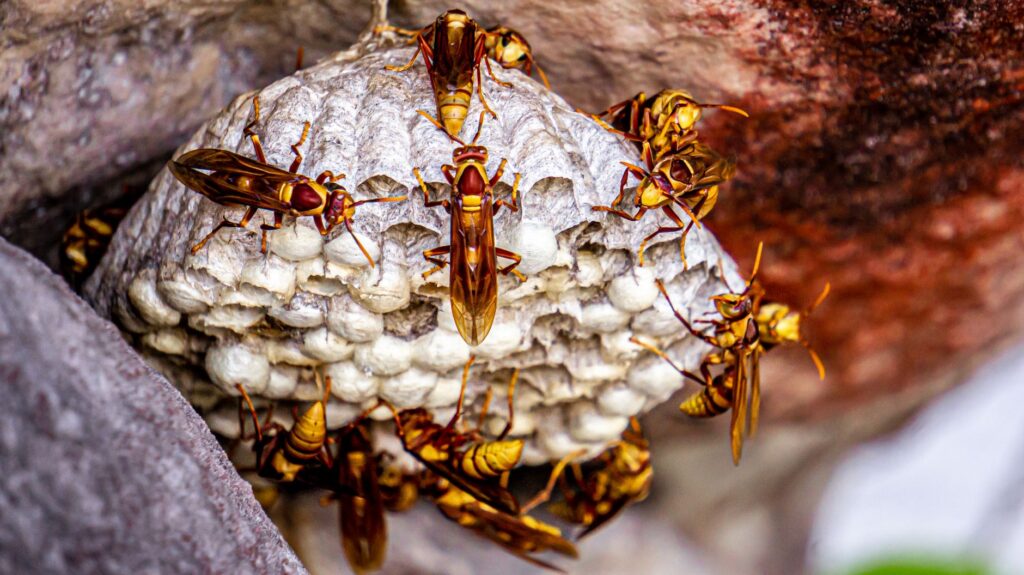
How To Get Rid Of Wasps can cause costly problems when early signs are missed. Learn the signs, risks, and when to call Brandley Pest Control.
Key Takeaways About How To Get Rid Of Wasps
- Knowing what type of wasp you are dealing with helps determine the right approach, since different wasps nest in different areas around your home and yard.
- Wasps can sting more than once, and nests near areas of human activity may pose a real concern, so early awareness matters.
- Above-ground and structural wasp nests are often best handled by a professional rather than with store-bought sprays or DIY methods, which can make the situation worse.
- Sealing gaps, keeping eaves and outdoor structures in good condition, and reducing exposed food or sugary drinks outdoors can help prevent wasps from nesting near your home.
How to Identify How To Get Rid Of Wasps
Before you can figure out how to get rid of wasps, you need to know what you are dealing with and where the nest is located. Yellowjackets and paper wasps are two of the most common types homeowners encounter, and each one builds nests in different spots around your property. Recognizing the type of wasp and the location of its nest helps you decide whether the situation calls for a DIY approach or professional help.
How to Tell How To Get Rid Of Wasp Types Apart
Yellowjackets and paper wasps are the two types you are most likely to find near your home. Both build visible nests, but the nest shape and placement can differ. According to Purdue Extension, European paper wasps often build nests inside enclosed voids such as lighting fixtures, bird boxes, gas grills, motor homes, and boats. Yellowjacket nests can also appear in and around structures, sometimes in less visible locations.
Knowing which type you have matters because paper wasp nests may not require treatment unless they are near people, as UC IPM notes. A yellowjacket nest near a doorway or walkway, on the other hand, is more likely to lead to stings and typically needs to be addressed.
How to Spot How To Get Rid Of Wasp Activity Inside Your Home
Wasps sometimes find their way indoors, especially when nests are tucked into enclosed spaces. If you notice wasps flying around interior light fixtures or appearing in rooms with no obvious entry point, a nest may be hidden nearby.
Stay alert for wasp nests around the home, particularly in areas you do not inspect regularly. Catching activity early gives you more options for dealing with the problem before the nest grows.
Where How To Get Rid Of Wasp Activity Shows Up Around Homes
Wasp nests commonly show up along eaves, under overhangs, and in sheltered spots around your home’s exterior. Paper wasp nests built where they are likely to cause stings should be addressed proactively, according to Mississippi State University Extension. Nests near walkways, porches, and doors pose the highest risk because of regular foot traffic.
Brandley Pest Control can treat eaves up to 30 feet when needed, which covers many of the hard-to-reach spots where wasps prefer to build.
Exterior Entry Points how to get rid of Use
Wasps look for small gaps and openings to access sheltered nesting areas. Sealing gaps around your home and keeping siding, eaves, and outdoor structures in good condition helps reduce available nesting sites.
Preventive measures go a long way. As Oregon State University Solve Pest Problems notes, using preventive measures produces the best results when it comes to keeping wasp nests from becoming a recurring problem around your home.
Why How To Get Rid Of Wasps Problems Develop
Understanding why wasps show up around your home is the first step toward managing them. Social wasps build paper nests and form colonies made up of an egg-laying queen and many sterile female workers. These colonies are annual, meaning they exist for only one season, and a nest is used only during the season it is built. That cycle drives wasps to seek new nesting spots around your property each year.
Outdoor Nesting Areas for how to get rid of
Wasps look for sheltered spots to build their paper nests. Eaves, overhangs, and other protected areas near your home give colonies a stable place to grow through the season. According to Mississippi State University Extension, paper wasp nests last only one season regardless of species. Once the season ends, the old nest is abandoned, but the structure can still attract other pests if left in place.
Food and Shelter That Attract how to get rid of
Paper wasps are beneficial caterpillar predators, which means areas with garden plants or landscaping can naturally draw them in. Social wasp colonies include individuals whose specific task is to defend the nest, so nesting near high-traffic areas creates a stinging risk. Some yellowjacket species can become aggressive during late summer and fall and may sting unprovoked.
How how to get rid of Move Around Homes
Because colonies are annual, a new queen starts a fresh nest each season. Wasps scout for sheltered spots that offer overhead cover and proximity to resources. Old, abandoned nests left on your property can harbor other infestations, so removing them is a practical step. According to UC IPM, clearing old wasp nests, spider webs, and bird or rodent nests helps reduce conditions that attract new pests.
Trails and Entry Points how to get rid of Use
Wasps often follow gaps along eaves, soffits, and other openings near the roofline. Sealing these gaps and maintaining exterior structures helps limit nesting opportunities. Social wasps and bees sting to defend their colony, so activity near doorways, windows, or walkways deserves attention early rather than after a nest is well established.
Risks From How To Get Rid Of Wasps
Health Risks Linked to how to get rid of
Wasps belong to the order Hymenoptera, a group of stinging insects that also includes bees and ants. Some species are more aggressive than others and may fly several feet to sting a person who simply walks near the nest site, according to Mississippi State University Extension.
Disturbing a nest during a DIY removal attempt raises the chance of multiple stings. Store-bought sprays or improvised methods often agitate the colony rather than resolve it, which is one reason Brandley Pest Control recommends having a trained technician handle wasp nests.
Property Damage From how to get rid of
Social wasps often build nests along eaves, under soffits, and around other parts of your home’s exterior. According to Purdue Extension, colony removal is warranted when nests are located in areas of human activity where stings can occur.
Leaving a nest in place through an entire season allows it to grow, making future removal more difficult. Checking your home’s exterior regularly helps you catch nest-building activity early.
Food Areas and How To Get Rid Of Wasp Activity
Wasps are drawn to outdoor areas where food or sugary drinks are present. If you find wasps near a pool, birdbath, or pet water dish, it is best to remove them from the water to avoid being stung. Patios and porches where meals are served can attract foraging wasps, so keeping food covered and cleaning up promptly reduces the chance of repeated visits.
When to Look Closer at How To Get Rid Of Wasp Activity
Even though social wasps capture pests such as flies, caterpillars, and beetle larvae, their beneficial role does not outweigh the risk when a nest sits near doors, walkways, or play areas. A few wasps flying through your yard may not require action, but steady traffic to and from a fixed point usually signals an active nest.
Walk around your home’s eaves and overhangs periodically. Even hard-to-reach nests are manageable for a trained technician. Early identification gives you more options and helps keep wasp stings from becoming a recurring concern around your property.
Professional Pest Control for How To Get Rid Of Wasps
Not every wasp nest needs treatment, and not every nest is something you should handle on your own. Knowing when to step back and when to act is the first part of getting rid of wasps around your home. The steps below cover reducing what draws wasps in, why inspection matters, and what a professional visit from Brandley Pest Control looks like.
How to Reduce Attractants for how to get rid of
Sealing small gaps and entry points around your home helps reduce spots where wasps can start building. Maintain eaves, siding, and outdoor structures so there are fewer sheltered nesting areas. Avoid leaving food or sugary drinks exposed outdoors, since open sources can draw wasps closer to living spaces.
According to UC IPM, paper wasp nests away from foot traffic may not need treatment. Reducing attractants keeps wasps from choosing spots right next to doorways and patios where contact is more likely.
Why How To Get Rid Of Wasp Control Starts With Inspection
Wasp colonies can be very large and are often located far from the entrance hole, deep into a structure. That means the visible activity you notice near your roofline or wall may only hint at where the actual nest sits. A trained technician can locate the nest and identify the type of wasp involved.
According to Purdue Extension, small early-season colonies and most underground colonies may be more easily controlled, but above-ground and nearly all structural colonies are best handled by professionals. An early look helps determine whether you need specialized help.
What to Expect During Professional How To Get Rid Of Wasp Treatment
Brandley Pest Control starts with a free phone consultation to identify whether you are dealing with bees, wasps, or hornets. Once the situation is clear, a trained technician visits your property, locates the nest, and applies professional-grade products targeted to the type of wasp and its location.
As Purdue Extension notes, late-summer colonies may consist of nearly a thousand workers, and protective gear along with quick, efficient application is imperative. Brandley technicians are equipped to reach high nesting spots that homeowners typically cannot access safely.
Brandley does not treat honey bees, as they are protected. If honey bees are involved, the team can guide you on the proper next steps.
What to Expect From a How To Get Rid Of Wasp Control Plan
Many homeowners prefer a consistent plan to keep wasps and hornets away for the entire season. Brandley’s Pest Maintenance Plan covers wasps and hornets as part of general pest control, including interior and exterior crack-and-crevice treatment, de-webbing, and wasp nest removal across the service area.
Addressing wasp activity early, before a colony matures, gives a technician the best opportunity to manage the situation before the nest becomes harder to reach. Ongoing monitoring throughout the season helps catch new colonies before they grow.
Bottom Line on How To Get Rid Of Wasps
Wasp control comes down to early awareness, practical prevention, and knowing when to call in a professional. Sealing gaps around your home, keeping food and sugary drinks covered outdoors, and maintaining eaves and outdoor structures can all help reduce the chances of wasps nesting near your living spaces. When a nest is already established, especially one that is large, located high up, or hidden inside a structure, professional help is the safest path forward.
DIY sprays can agitate wasps and make the situation worse, so if you are seeing regular wasp activity around your home, contact Brandley Pest Control for a free phone consultation to identify the problem and determine the right next step.
Frequently Asked Questions
When Should I Call a Professional Instead of Handling It Myself?
Large colonies and nests located in hard-to-reach spots or inside structures are best handled by a professional. These nests can be far from the visible entrance and deep within a structure, making them difficult and risky to treat on your own. If a nest is small, visible, and in an open area, you may be able to monitor it, but any doubt about size or species is a good reason to get a trained technician involved.
Can Wasps Sting More Than Once?
Some wasps can sting repeatedly because they are able to pull out their stinger without injuring themselves. This is different from honey bees, which lose their stinger after a single sting. Certain species may sting if you happen to be near the nest site, even if you did not intentionally disturb it. Keeping your distance from any nest you discover is always the safest approach.
Are Wasps Beneficial in Any Way?
Wasps do capture insects such as flies, caterpillars, and beetle larvae, which makes them beneficial in many outdoor settings. When nests are located well away from where people live or work, they may not need to be removed. However, when nests are near your home or outdoor gathering areas, removal is usually warranted to reduce the risk of stings.
Does Brandley Pest Control Handle Honey Bees?
If honey bees are involved, our team can guide you toward the proper next steps during a free phone consultation.