
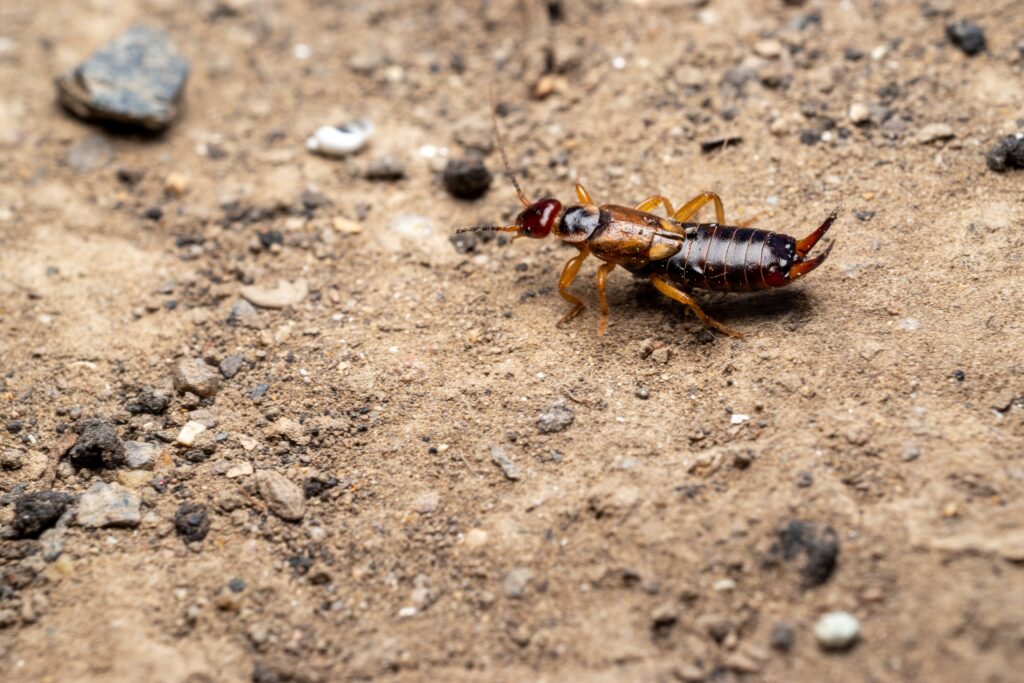
If you’ve walked into your kitchen late at night and spotted earwigs crawling near the sink, you’re not alone. Many homeowners in Piedmont notice earwigs most often after dark.
Earwigs are nighttime pests that seek moisture, food, and quiet hiding places. Kitchens provide those conditions. During damp conditions, earwig populations can grow quickly, and homeowners may start seeing them more often.
Earwigs are predictable. Knowing what attracts earwigs and where they hide makes them easier to control.
Learn what attracts earwigs, where they hide, and how to get rid of them with help from local pest control in Piedmont before the problem spreads.
Key Takeaways
Earwig season in Piedmont
Tracks how earwig activity rises and falls with Oklahoma’s moisture and temperature cycles — from dormant winter months through the humid summer surge that pushes earwigs indoors. Read it clockwise from January.
- Earwigs come inside at night in search of moisture and food.
- Kitchens attract earwigs due to sinks, faucets, and damp areas.
- Cracks and entry points around the home’s foundation allow access.
- Reducing moisture and sealing gaps helps prevent earwig infestations.
- Pest control can help reduce recurring earwig problems.
Why Earwigs Come Out At Night
Earwigs are most active after dark.
They Avoid Light and Heat
Earwigs prefer cool, dark spaces during the day. At night, they leave their hiding spots to search for food such as crumbs or plant material. Because they become active after dark, homeowners often spot earwigs near baseboards, countertops, and kitchen floors.
They Search for Moisture
Kitchens stay damp because of faucets, sinks, and small leaks. Damp areas in kitchens, laundry rooms, and crawl spaces make these places more attractive hiding spots for earwigs.
They Follow Food Sources
Earwigs will eat crumbs, organic debris, and even other small pests like crickets or silverfish. Easy access to food sources can encourage repeated nighttime activity in kitchens.
Where Earwigs Hide in Kitchens
Earwigs stay hidden during the day.
Behind Baseboards and Cabinets
Earwigs squeeze into tight crevices behind baseboards, under cabinets, and along walls. These tight spaces protect them until nighttime.
Around Sinks and Faucets
Areas around sinks and faucets are common hiding spots because they stay damp and sheltered.
Under Appliances
Spaces under refrigerators, dishwashers, and stoves provide dark hiding spots where moisture and debris may collect.
Inside Cracks and Gaps
Small gaps around entry points allow earwigs to move inside walls and floors. Once inside, they can spread into multiple rooms.
How Earwigs Get Inside Your Home
Earwigs don’t appear out of nowhere.
Gaps Around the Home’s Foundation
Cracks along the home’s foundation are one of the main ways earwigs enter. These openings allow earwigs to move into kitchens and other parts of the home.
Doors, Windows, and Seals
Loose seals around doors and windows make it easier for earwigs to get inside. Adding caulk and sealing gaps can help reduce the number of earwigs that get inside.
Outdoor Conditions
Moist mulch, flower beds, landscaping materials, and woodpiles near your home can increase earwig populations. After heavy outdoor moisture, earwigs may move indoors to find drier areas.
Drainage Issues
Clogged gutters and downspouts can create damp soil near your home’s foundation. Excess moisture around the home can attract earwigs closer to entry points.
Earwigs vs Other Kitchen Pests
Not all pests in your kitchen are earwigs.
Earwigs vs Cockroaches
Earwigs are small and have visible pincers at the end of their abdomen. Cockroaches are flatter and move faster, although both pests may appear in kitchens and damp areas.
Earwigs vs Silverfish
Silverfish are lighter in color and move in a quick, wavy motion. Earwigs are reddish brown and move more slowly.
Earwigs vs Termites
Termites stay hidden and damage wood, while earwigs are more visible and do not cause structural damage.
Myths About Earwigs
Some people worry about earwigs getting into people’s ears, but this is very rare. Their pincers, sometimes called forceps, are mainly used for defense and handling food.
How to Get Rid of Earwigs in Kitchens
To get rid of earwigs, reduce the moisture and hiding spots that attract them indoors.
Reduce Moisture Indoors
Fix leaks, wipe down damp areas, and consider using a dehumidifier during humid months to help lower indoor moisture levels.
Seal Cracks and Entry Points
Use caulk to seal cracks around baseboards, walls, doors, windows, and the home’s foundation. Blocking entry points can help reduce indoor earwig activity.
Clean Up Food and Clutter
Keep countertops clean and store food properly to make kitchens less attractive to earwigs and other pests.
Adjust Outdoor Conditions
Move mulch, plant material, flower beds, and woodpiles away from your home when possible. Keep gutters and downspouts clear to help water drain away from the foundation.
Consider Pest Control Services
If earwig infestations continue, professional pest control can help. A pest control technician can inspect areas where earwigs gather and apply treatments as needed.
Schedule an Earwig Inspection
If you keep seeing earwigs in your kitchen at night, there may be an ongoing earwig problem nearby. Repeated earwig sightings may point to moisture problems or gaps around the home.
A professional inspection can help identify earwig hiding spots and areas of activity around the home. Pest control technicians apply treatments to common earwig hiding areas around the home.
Brandley Pest Control provides ongoing pest control and earwig control for homeowners in Piedmont. Contact us today to help reduce earwig populations in your kitchen and throughout your home.
FAQs
Why do I only see earwigs at night?
Earwigs avoid light and come out after dark to seek food and moisture. That’s why most homeowners notice them in their kitchens at night rather than during the day.
Do earwigs lay eggs inside homes?
Yes, female earwigs can lay eggs in hidden indoor areas if conditions are right. Earwig populations can grow quickly when homeowners do not treat the problem early.
What is the fastest way to get rid of earwigs?
Start by removing moisture, sealing entry points, and cleaning food areas. For ongoing issues or large numbers, professional pest control may help reduce earwig activity more effectively than DIY methods alone.