
Scorpions in Oklahoma can cause costly problems when early signs are missed. Learn the signs, risks, and when to call Brandley Pest Control.
Key Takeaways About Scorpion Types in Oklahoma
- Bark scorpions are among the scorpion types that may appear in Oklahoma homes, and knowing what draws them can help you respond quickly.
- Scorpions are often attracted to dense foliage, leaf piles, and firewood piles around a property, so identifying these conditions is a practical first step.
- A habitat-focused approach that considers why scorpions are drawn to a home tends to guide more targeted next steps than broad treatment alone.
- Correct identification matters because other pests can be mistaken for scorpions, and the right response depends on what you are actually dealing with.
How to Identify Scorpion Types in Oklahoma
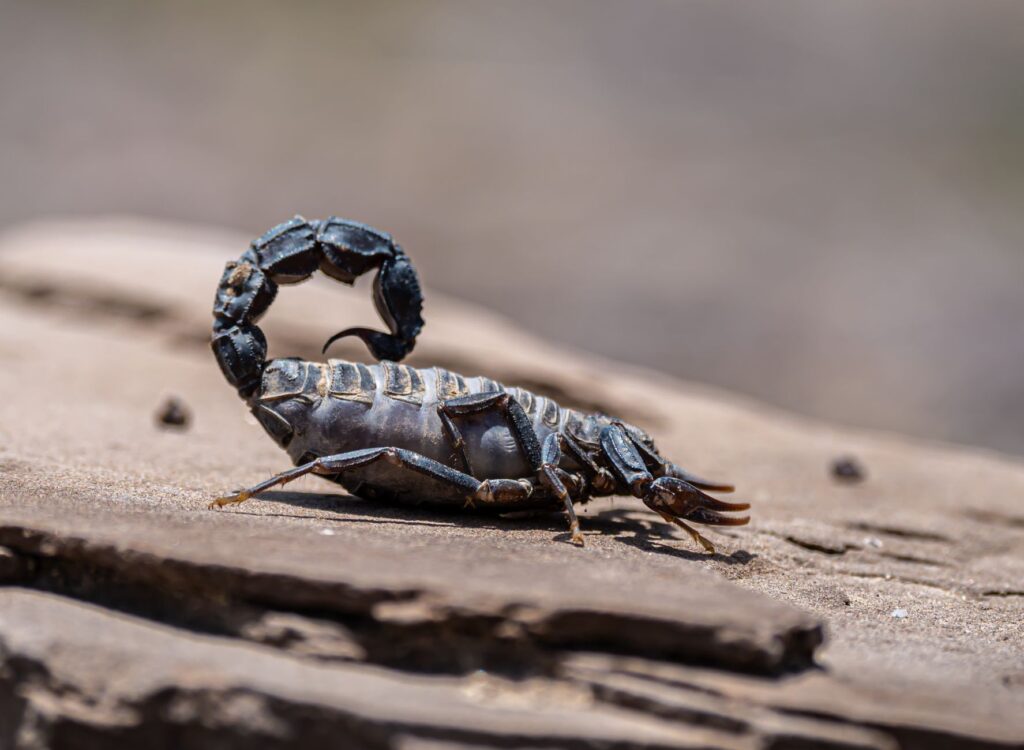
Telling scorpion species apart takes a closer look than most Oklahoma homeowners expect. Bark scorpions, the species Brandley Pest Control typically encounters in our service area, can blend in with their surroundings and hide in tight spaces. Knowing what to look for on the body, where to check inside your home, and which exterior entry points scorpions favor can help you understand what you are dealing with.
How to Tell Scorpion Types Apart in Oklahoma
Body color and markings are the quickest way to distinguish one species from another. Remove specific color and marking claims or limit to what can be sourced; e.g., describe only the bark scorpion appearance using a verified reference. Size differences can also help, since Remove the size comparison or replace with a sourced description of bark scorpion appearance..
Because several species can look similar at a glance, misidentification is common among homeowners. If you are unsure which species you are seeing, keeping the specimen for a closer look can help a service professional confirm the type.
How to Spot Scorpion Activity Inside Your Oklahoma Home
Scorpions are most often noticed at night when they leave their daytime hiding spots to hunt. You may spot one on a wall, in a bathtub, or along a baseboard. Remove the UV blacklight sentence or support it with a cited source before publication.
Dense foliage, leaf piles, and firewood piles near your home can create conditions that draw scorpions closer. When those harborage areas sit against exterior walls, the pests may find a way inside. Seeing even a single scorpion indoors is worth investigating further.
Where Scorpion Activity Shows Up Around Oklahoma Homes
Outdoors, scorpions tend to gather where moisture and shelter overlap. Stacked firewood, piled leaves, and overgrown landscaping are common spots. Construction materials or debris left near the foundation can also attract them. Our team looks at what is drawing scorpions to a property first, including crawl spaces, overgrown areas, and construction activity nearby.
Exterior Entry Points Scorpions Use Around Oklahoma Homes
Scorpions can squeeze through surprisingly small gaps. Cracks in the foundation, gaps around plumbing penetrations, and spaces beneath exterior doors are all potential entry points. Brandley Pest Control’s approach focuses on habitat and observation rather than blanket liquid treatment, starting with understanding why scorpions are being drawn to the structure in the first place.
Why Scorpion Problems Develop in Oklahoma
Outdoor Nesting Areas for Scorpions Around Oklahoma Homes
Scorpions prefer undisturbed habitats where they can stay hidden during the day. Dense foliage, leaf piles, and firewood piles create the kind of sheltered, low-traffic spots they favor, offering cover from predators and a stable environment for nesting.
Because scorpions are mostly nocturnal, they spend daylight hours tucked into these quiet outdoor retreats. Overgrown landscaping and stacked debris near your foundation can turn a typical yard into prime scorpion habitat without you realizing it.
Food and Shelter That Attract Scorpions Around Oklahoma Homes
Scorpions are hunters that actively pursue insect prey rather than relying on webs or traps. When insect populations build up around exterior lighting, garden beds, or ground cover, scorpions may follow that prey closer to your home. Reducing the insects around your property can help lower what draws scorpions in.
Shelter matters just as much. Crawl spaces, construction materials left on the ground, and overgrown areas all provide the undisturbed sites scorpions seek out. Brandley Pest Control evaluates these conditions first when assessing why scorpions are present.
How Scorpions Move Around Oklahoma Homes
Scorpion activity tends to pick up during warmer months. According to Texas A&M AgriLife Extension, Remove the mating-season sentence or replace it with a general, supportable statement such as: “Scorpion activity tends to increase during warmer months as they become more mobile in search of mates and prey.. During this stretch, scorpions are more mobile as they search for mates, which can bring them closer to structures.
Because scorpions prefer undisturbed habitats and tend to avoid high-traffic areas, they often go unnoticed until they wander indoors looking for shelter or following prey., scorpions often go unnoticed until they wander indoors looking for shelter or following prey. Their nocturnal habits mean most encounters happen after dark.
Trails and Entry Points Scorpions Use in Oklahoma
Scorpions can squeeze through small gaps around your home’s exterior. Cracks along the foundation, gaps where utilities enter the wall, and spaces beneath doors are common entry points. Once inside, they gravitate toward undisturbed areas that mirror the quiet habitats they prefer outdoors.
Identifying what is drawing scorpions in and addressing those conditions at the source is the practical first step on most homes.
Risks From Oklahoma Scorpions
Scorpions rank among the pests Oklahoma homeowners may find around the house, yet the actual risks they pose are often misunderstood. Understanding what a sting can and cannot do, along with the nuisance factors that come with scorpion activity, helps you decide when to look closer and what steps make sense.
Health Risks Linked to Oklahoma Scorpions
A scorpion sting is the primary health concern for most homeowners. The reaction to a sting is usually no more severe than itching or a response comparable to a bee sting, according to UC IPM. Scorpions are not typically aggressive toward people and usually sting only when accidentally disturbed, such as when you reach into a shoe, glove, or folded clothing where one is hiding.
Because these pests tend to hide in tight spaces, accidental contact is the most common way a sting occurs. Shaking out clothing and checking shoes before putting them on can reduce the chance of a surprise encounter.
Property Damage From Scorpions in Oklahoma
Scorpions do not cause structural damage to homes. They do not chew wood, burrow into walls, or weaken building materials. Their presence is a nuisance issue rather than a property threat. However, the outdoor conditions that attract them can create ongoing breeding grounds that keep pests returning to the area around your home.
Food Areas and Scorpion Activity in Oklahoma Homes
Scorpions are not drawn to food storage or kitchen areas the way some household pests are. They hunt other small pests, so their indoor activity usually points to a broader pest presence rather than a food source problem. If you notice scorpions near living spaces, it may signal that other pests they prey on are also active inside your home.
When to Look Closer at Scorpion Activity in Oklahoma
A single scorpion sighting does not always mean a large population is nearby. Still, repeated encounters, especially indoors, suggest conditions around your home may be drawing them in. Overgrown areas, crawl spaces, and ongoing construction near the foundation are common factors Brandley Pest Control evaluates first.
Identifying and addressing those attractants is a practical first step toward reducing the chance of future encounters.
Professional Pest Control for Scorpions in Oklahoma
Scorpions share Oklahoma properties with a range of other pests, and controlling the broader pest population is often one of the most practical steps toward reducing scorpion activity. Because scorpions feed on insects and other small prey, the same principles that lower indoor insect numbers can also make your home less attractive to scorpions.
How to Reduce Attractants for Scorpions in Oklahoma
Clearing debris, leaf piles, and firewood away from your foundation removes the shelter scorpions look for near a structure. Keeping vegetation trimmed and storing firewood well away from exterior walls limits the cover available to them.
Indoor spiders such as American house spiders and brown recluses prey on insects that get inside the house. According to Mississippi State University Extension, anything you do to exclude insects will also help reduce spider populations. The same logic applies to scorpions: when you cut off their food supply by sealing entry points and reducing indoor insects, you make the space far less inviting to them.
Why Scorpion Control in Oklahoma Starts With Inspection
At Brandley Pest Control, the first thing we look at on most homes is why scorpions are being drawn to the property. That means checking for crawl spaces, construction gaps, and overgrown areas that give scorpions easy access and shelter.
This inspection-first mindset matters because some pests that share scorpion habitat can be difficult to control with standard products. Research from Oklahoma State and Texas A&M Universities confirms that brown recluse spiders, for example, are difficult to kill with most insecticides. Identifying what is actually present on your property helps guide the right plan.
What to Expect During Professional Scorpion Treatment in Oklahoma
Brandley’s Pest Maintenance Plan (PMP) covers scorpions as part of the standard home pest control plan, which also addresses spiders, crickets, ants, and other common Oklahoma pests. Treatment includes interior and exterior crack and crevice work designed to target the gaps where scorpions enter and hide.
Wolf spiders are ground-inhabiting spiders that wander in search of prey rather than building webs. They often turn up in the same inspections as scorpions. Addressing both at once keeps your overall pest pressure lower and avoids repeat visits for overlapping concerns.
What to Expect From a Oklahoma Scorpion Control Plan
Brandley’s PMP offers several frequency options, from quarterly to monthly visits, based on your home’s square footage and pest pressure. Bark scorpions in our service area receive focused attention during each visit. De-webbing and general interior and exterior treatment are included in every plan.
Attic Dust or Crawl Space Dusting is available as an add-on service for homes where scorpions may be entering through overhead or below-grade gaps. Same-day scheduling is available when you need a faster response. Brandley Pest Control serves Yukon, Piedmont, Edmond, Bethany, Oklahoma City, and surrounding communities.
Bottom Line on Scorpion Types in Oklahoma
Identifying the scorpions around your Oklahoma home starts with understanding what draws them to the property in the first place. When you notice scorpion activity, the next step is figuring out why they are present, whether that involves a crawl space, nearby construction, or overgrown areas close to the foundation.
If you are seeing scorpions around your property, contact Brandley Pest Control to schedule an assessment.
Frequently Asked Questions About Scorpion Types in Oklahoma
What Should I Look for Around My Home?
Pay attention to areas where debris collects near your foundation. Leaf piles, stacked firewood, and thick landscaping close to the house can all provide the kind of shelter scorpions prefer. Crawl spaces and areas with ongoing construction nearby may also draw them in.
Why Does Brandley Focus on Habitat Instead of Blanket Spraying?
Brandley Pest Control’s approach centers on habitat and observation. The team looks at what is attracting scorpions to a specific property and addresses those conditions, targeting the root of the problem rather than just the symptoms.
Are Bark Scorpions a Concern in the Service Area?
Bark scorpions are among the scorpions Brandley Pest Control addresses within its service area. If you suspect bark scorpion activity, a professional assessment can help confirm what you are dealing with and outline appropriate next steps.
Is Scorpion Service Included in a Pest Maintenance Plan?
Yes. Scorpions are covered under Brandley Pest Control’s standard home pest control plan alongside other common household pests. The Pest Maintenance Plan includes interior and exterior crack and crevice treatment, and service frequency options range from quarterly to monthly depending on your home’s square footage and needs.