
Crickets in Oklahoma can cause costly problems when early signs are missed. Learn the signs, risks, and when to call Brandley Pest Control.
Key Takeaways About Cricket Types in Oklahoma
- Oklahoma homeowners may notice more than one type of cricket around their property, and telling them apart starts with looking at body shape, color, and where they tend to show up.
- Crickets can damage fabrics, paper, and stored items indoors, and their persistent chirping can disrupt your household, making them a common nuisance pest.
- Moisture, warmth, and outdoor lighting are key attractants that draw crickets toward your home, especially through gaps around doors, windows, and foundations.
- Sealing entry points, reducing moisture, and adjusting exterior lighting are practical first steps you can take to help keep crickets from moving inside.
How to Identify Cricket Types in Oklahoma
Crickets are among several species of common home invaders, alongside ground beetles, earwigs, and millipedes. Knowing what to look for helps you figure out which species you are dealing with and what steps to take next. The field cricket is one species Oklahoma homeowners may notice, and its appearance and seasonal timing offer useful clues for identification.
How to Tell Cricket Types Apart in Oklahoma
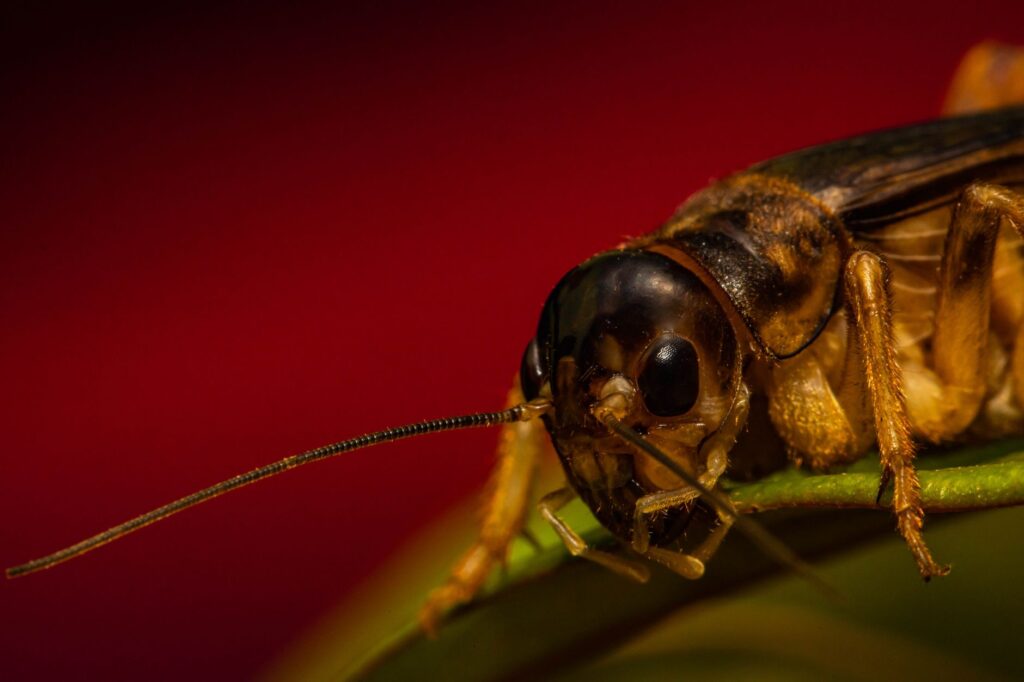
Field crickets are one of the more recognizable cricket species. According to the University of Georgia pest guide, they are dark brown, about 1 inch long, and have enlarged hind legs built for jumping. That combination of size, color, and powerful back legs sets field crickets apart from other species you might encounter around your home.
Not all cricket species share the same seasonal timing. Adults of most species are active only during spring and early summer. Field crickets, however, follow a different pattern. Their adult populations peak in late summer, which means you may notice them later in the season than other species.
How to Spot Cricket Activity Inside Your Oklahoma Home
Crickets are attracted to moisture, warmth, and light. When they move indoors, they tend to show up in garages, utility rooms, and along baseboards. You may hear chirping before you see them, especially at night. Their constant chirping can be disruptive and is often the first sign that crickets have found a way inside.
Crickets can also damage fabrics, paper, and stored items. If you find irregular holes in clothing or paper goods stored in damp areas, a cricket species may be responsible.
Where Cricket Activity Shows Up Around Oklahoma Homes
Outdoors, field crickets overwinter in the larval stage in soil. They pupate during late spring or early summer, then adults emerge and fly during early to mid-summer before laying eggs back in the soil. That life cycle means activity near your foundation, mulch beds, tall grass, and shaded edges can build gradually before you notice crickets trying to get indoors.
Because adult field cricket populations peak in late summer, that is often when outdoor activity around your home becomes most noticeable.
Exterior Entry Points Crickets Use Around Oklahoma Homes
Crickets often come indoors through small gaps in doors, windows, and foundations, especially during cooler or wetter weather. Poor sealing around those openings makes your home more inviting. Reducing moisture, sealing gaps, and adjusting outdoor lighting near entry points all help limit how many crickets find their way inside.
Why Cricket Problems Develop in Oklahoma
Crickets spend most of their lives outdoors, but changes in weather and available resources can push them closer to your home. Understanding what draws them in and how they get inside helps you stay ahead of the problem.
Outdoor Nesting Areas for Crickets Around Oklahoma Homes
Field crickets are commonly found in fields, pastures, along roadsides, and in yards. These open outdoor areas provide the food and cover crickets need to thrive. Mulch beds, tall grass, and shaded edges near your foundation can serve as harborage spots that keep populations close to the structure.
Food and Shelter That Attract Crickets Around Oklahoma Homes
Outdoors, field crickets feed on a variety of plants. They are also known to feed on dead or weakened insects, including other crickets. This flexible diet means almost any yard offers enough to sustain them.
Crickets are attracted to moisture, warmth, and light. When outdoor conditions shift during cooler or wetter weather, the combination of available food and nearby shelter makes your home a convenient target.
How Crickets Move Around Oklahoma Homes
Crickets typically move indoors when outdoor conditions change. Excess moisture around the foundation or poor sealing around doors and windows can make a home more inviting to them. They tend to gather near exterior lighting at night before working their way toward gaps in the structure.
Trails and Entry Points Crickets Use in Oklahoma
According to the University of Georgia pest guide, key steps for managing field crickets include eliminating harborage and installing door sweeps. Sealing these common entry points reduces the pathways crickets rely on to move from your yard into living spaces like garages, utility rooms, and along baseboards.
Risks From Oklahoma Crickets
Health Risks Linked to Oklahoma Crickets
Crickets are not dangerous to people. They do not bite or sting, and they are not known to carry diseases into your home. The primary concern with crickets is the nuisance they create, especially the persistent chirping that can disrupt sleep and daily routines when they find their way indoors.
While crickets themselves pose no direct health threat, their presence in damp, enclosed spaces can signal moisture conditions worth addressing. Camel crickets, for example, gravitate toward areas where humidity is high. Ongoing moisture issues in those same areas can invite other pests or contribute to mold growth over time.
Property Damage From Crickets in Oklahoma
Crickets can damage fabrics, paper, and stored items inside your home. If a population builds up indoors, you may notice chewing marks on clothing, curtains, or cardboard boxes. The damage is usually gradual, but it adds up when crickets go unnoticed in storage areas or closets.
According to the University of Georgia pest guide, camel crickets are common inhabitants of crawlspaces, wall voids, basements, and sheds where humidity is high. These sheltered spots give crickets easy access to stored belongings, and the damp conditions keep them active longer. Field crickets are typically found outdoors in wood piles and under flat items lying on the ground, but they can move inside when conditions change.
Food Areas and Cricket Activity in Oklahoma Homes
Crickets are attracted to moisture and warmth, which means kitchens, pantries, and utility rooms can draw them in. Once inside, they may feed on paper goods and other biological materials stored near these areas. Their constant chirping often alerts homeowners to activity before any visible damage appears.
Garages and laundry rooms are also common gathering spots. Crickets usually move indoors when outdoor conditions shift or when excess moisture is present near the foundation. Poor sealing around doors and windows makes your home more inviting to them.
When to Look Closer at Cricket Activity in Oklahoma
Spring and early summer tend to bring increased pest movement around homes, and crickets are no exception. If you notice chirping at night, spot crickets in garages or utility rooms, or find damage to fabrics or paper, it is worth investigating further.
Pay attention to areas where field crickets gather outdoors, such as wood piles and items lying flat on the ground near your foundation. Indoors, check crawlspaces, wall voids, basements, and sheds for camel crickets. Catching cricket activity early helps you understand where moisture and entry points may need attention before the population grows.
Professional Pest Control for Crickets in Oklahoma
Once you know which type of cricket you are dealing with, the next step is addressing what draws them in and how a professional service handles them. Prevention, inspection, and targeted treatment each play a role in reducing cricket activity around your Oklahoma home.
How to Reduce Attractants for Crickets in Oklahoma
Crickets are attracted to moisture, warmth, and light. Reducing these attractants around your home is the first line of defense. For camel crickets, ventilating or dehumidifying damp areas such as crawl spaces can make those spots far less inviting, according to the University of Georgia pest guide.
For field crickets, removing harborage is a priority. That means clearing debris and clutter near your foundation where crickets tend to gather. Adjusting outdoor lighting near doors and windows can also help, since bright lights draw crickets closer to entry points at night.
Sealing gaps around doors, windows, and foundations with caulk prevents crickets from moving indoors. Installing door sweeps is another straightforward step that blocks a common entry path. These measures work for both field crickets and camel crickets.
Why Cricket Control in Oklahoma Starts With Inspection
At Brandley Pest Control, we start by asking a few quick questions to understand where you are seeing crickets and how long the activity has been going on. From there, a technician inspects your home, focusing on entry points, moisture areas, and the spots where crickets are most active.
Inspection matters because different cricket types need different approaches. Camel crickets often show up in damp, poorly ventilated spaces. Field crickets tend to gather around harborage near the exterior. Identifying which situation you have helps guide the treatment plan.
What to Expect During Professional Cricket Treatment in Oklahoma
Brandley Pest Control treats the exterior first to reduce cricket pressure around your home. We apply a targeted perimeter treatment along the foundation, around doors and windows, and in common harborage areas like mulch beds, tall grass, and shaded edges.
If crickets are already inside, we perform a focused interior treatment in the areas where they are showing up, such as garages, utility rooms, baseboards, and cracks and crevices. Granular bait may be spread in areas where field crickets are found, while granular or gel bait can be applied for camel crickets in affected spaces.
As UC IPM notes, caulking or sealing entryways is a key step in preventing crickets from re-entering your home. Our technicians review these prevention steps with you after treatment, covering moisture reduction, gap sealing, and lighting adjustments.
What to Expect From a Oklahoma Cricket Control Plan
Brandley Pest Control’s Pest Maintenance Plan covers crickets as part of standard home pest control. The plan includes communication, inspection, and both interior and exterior crack and crevice treatment. No preparation is needed on your part before service.
Pet owners should remove all pets from the home during treatment and keep them out until treated areas are fully dry. Food bowls, toys, and bedding should be picked up beforehand to avoid contact with treated surfaces. Pets can return once everything has dried according to label instructions.
Late spring through early summer tends to be an active period for many outdoor pests, so ongoing service during warmer months can help keep cricket pressure low. Following your technician’s post-treatment guidance and maintaining regular service supports long-term results.
Bottom Line on Cricket Types in Oklahoma
Identifying which cricket you are dealing with is the first step toward keeping them out of your home. Differences in size, color, and where the cricket tends to spend its time can help you narrow down the type and decide what to do next. Since crickets can damage fabrics, paper, and stored items, and their chirping can disrupt your household, addressing them early makes sense. If you are noticing crickets inside or around your home, contact Brandley Pest Control to schedule an inspection and get a targeted treatment plan.
Frequently Asked Questions About Cricket Types in Oklahoma
What Draws Crickets Indoors?
Crickets are attracted to moisture, warmth, and light. They often come indoors through small gaps around doors, windows, and foundations, especially when outdoor conditions change or cooler, wetter weather arrives.
Can Crickets Cause Damage Inside My Home?
Crickets are not dangerous to people, but they can be a nuisance. They may damage fabrics, paper, and stored items. Their constant chirping inside the home can also be disruptive, particularly at night.
How Can I Tell Different Cricket Types Apart?
Look at body color, size, and where you find them. Some crickets are dark brown with enlarged hind legs and measure roughly one inch long, while others may differ in shade or preferred habitat. Noting whether you find them outdoors near debris or inside your garage or utility room can help with identification.
What Can I Do to Prevent Crickets from Returning?
Reducing moisture around your home, sealing gaps near doors and windows, and adjusting outdoor lighting so it does not attract crickets can all help. Maintaining regular pest control service adds another layer of protection against future cricket activity.