
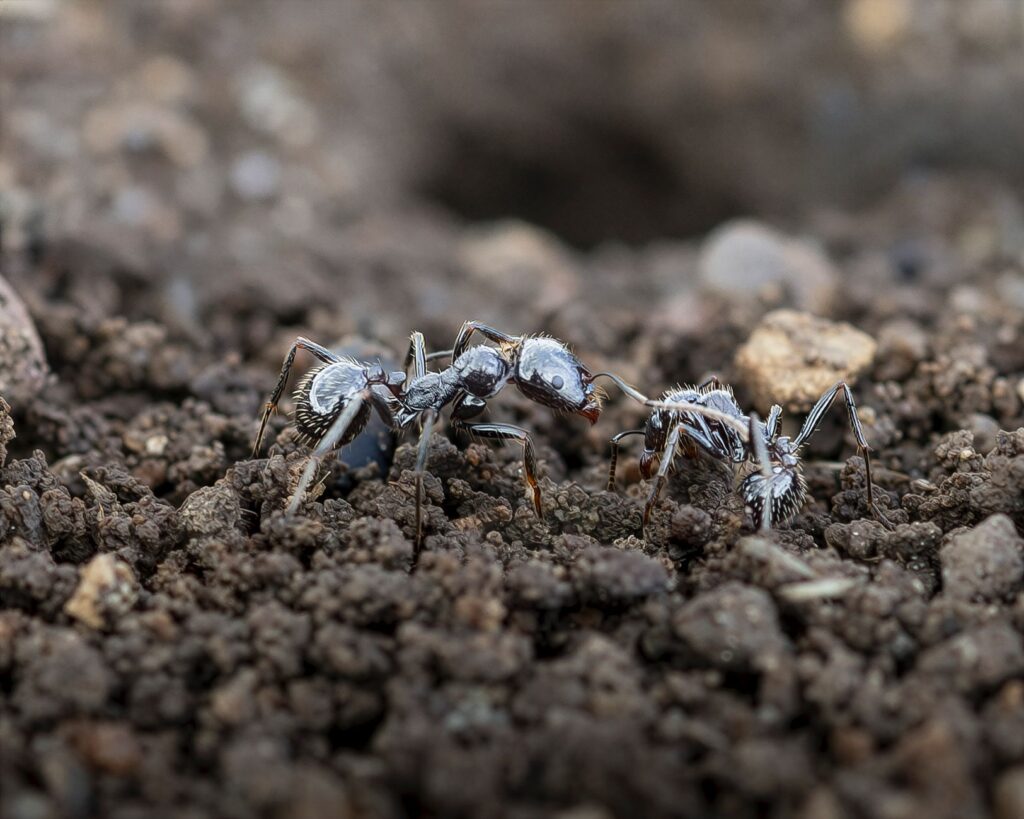
Ants in Oklahoma can create costly problems when early signs are missed. Learn what to look for, why it matters, and when to call Brandley Pest Control.
Key Takeaways About Ant Types in Oklahoma
- Oklahoma homeowners may encounter several ant species, including fire ants, carpenter ants, acrobat ants, odorous house ants, and small black ants, each with distinct nesting habits and appearance.
- Correct identification matters because some ants can sting, some may tunnel through wood, and each species may respond differently to control approaches.
- Ants nest in a variety of places outdoors and can move indoors when foraging for food or water, so knowing what to look for helps you act sooner.
- Brandley Pest Control covers ants under the Pest Maintenance Plan, which includes interior and exterior crack-and-crevice treatment for homes across the OKC metro area.
How to Identify Ant Types in Oklahoma
Telling one ant species from another starts with knowing where they nest and what their nesting sites look like. Different ant species build distinctly different structures, and those visible clues can help you narrow down what you are dealing with around your Oklahoma home.
How to Tell Ant Types Apart in Oklahoma
Nest shape is one of the most useful identification clues. According to Texas A&M AgriLife Extension, imported fire ants prefer to nest outdoors in soil and construct hills or mounds in open areas. Native southern fire ant nests, by contrast, are usually irregular in shape and consist of scattered soil with multiple obscure entrances. That difference alone can help you distinguish between the two.
The acrobat ant (Crematogaster sp.) nests under stones, in stumps, or in dead wood. Some acrobat ant species make nests in trees instead. Knowing the nest location and material helps separate this species from mound-building fire ants.
How to Spot Ant Activity Inside Your Oklahoma Home
Some ant species occasionally move indoors. According to Texas A&M AgriLife Extension, acrobat ants occasionally invade homes, even though they typically nest outdoors. The Argentine ant is another common ant species where the primary goal is to keep them out of homes. Seeing a trail of ants inside often points back to a nest somewhere on the exterior of the property.
Because different ant species are attracted to different food materials, such as peanut butter, jelly, or corn syrup, the food source drawing them indoors can be a clue to the species involved.
Where Ant Activity Shows Up Around Oklahoma Homes
Imported fire ants build mounds in open areas and also nest under rocks, landscape timbers, at the bases of tree trunks, in decaying wood, and in clogged rain gutters. Acrobat ants nest under stones and in stumps or dead wood. Checking these spots around your yard gives you a starting point for identifying which species is present.
Foraging acrobat ant workers tend aphids and other sucking insects and feed on the honeydew those insects produce. If you notice ants traveling up and down shrubs or trees near aphid colonies, acrobat ants may be the species involved.
Exterior Entry Points Ants Use Around Oklahoma Homes
Ant nests located close to the foundation create short paths into your home. Fire ant mounds near landscape timbers or tree bases along the house, and acrobat ant nests in dead wood or stumps beside exterior walls, put those species within easy reach of gaps in the structure.
Identifying the nest type and location outside is the first step toward understanding which ant species may be finding its way in. Correct identification matters because management approaches differ from one species to the next.
Why Ant Problems Develop in Oklahoma
Understanding why ants show up around your home helps you recognize the early signs and respond before ant colonies become well established. Several factors draw ants toward Oklahoma properties, from outdoor nesting conditions to available food sources and easy access points.
Outdoor Nesting Areas for Ants Around Oklahoma Homes
Many ant colonies start outdoors and expand toward structures over time. Red imported fire ants, for example, build mounds in sunny, disturbed habitats such as yards and parks. Some ant colonies may also establish nests inside wall voids or wood, which can require professional access to reach. The closer a nest sits to your foundation, the more likely worker ants are to find their way inside.
Food and Shelter That Attract Ants Around Oklahoma Homes
Different ant species feed on different types of food, including starches, meats, fats, and sweets. Some species feed mostly on sugar or sucrose, while others prefer oils or proteins. Imported fire ants feed on many types of foods, making a wide range of household items attractive to them. Many ants also feed on honeydew, a sweet liquid produced by aphids and scale insects on landscape plants near your home.
How Ants Move Around Oklahoma Homes
Worker ants from outside or inside nests may forage for food and water inside your home. Foraging workers of some species secrete pheromone trails to lead other ants to food and water. Once a food source is found, workers carry it back to the colony and share it with the other ants, including queens and brood. This sharing behavior means even a small food discovery can draw steady traffic indoors.
Ant Trails and Entry Points Around Oklahoma Homes
According to Mississippi State University Extension, usually a single trail of workers comes into the house and carries food back out to a nearby mound. These trails often follow edges and cracks that provide a direct path between the nest and a food or water source. Spotting a consistent line of ants moving in one direction is a strong clue that a colony is foraging through your home. Baits placed outdoors can help target the ant colony at its source.
Risks From Oklahoma Ants
Not every ant you find around your Oklahoma home is a simple nuisance. Some types of ants in Oklahoma can sting, damage property, or create ongoing problems near your yard and home. Knowing which pests pose real risks helps you decide how quickly to act.
Health Risks Linked to Oklahoma Ants
Imported fire ants attack in large numbers when disturbed. Fire ant stings produce a burning sensation and often cause whitish blisters. Most people can tolerate the stings, but some people are sensitive to fire ant venom and must seek medical attention, according to Texas A&M AgriLife Extension.
Displaced fire ant colonies are usually agitated and will swarm and sting in large numbers. This makes disturbing a mound during yard work or play a particular concern for Oklahoma households.
Little black ants can also sting, but as Mississippi State University Extension notes, compared to fire ants, the sting is relatively minor. These small pests have a weak sting that most people barely notice.
Property Damage From Ants in Oklahoma
Red imported fire ants cause problems beyond stings. According to UC IPM, the red imported fire ant builds its nests around trees, yard plants, pipes, and in the walls of structures. Nesting activity near pipes or inside walls can create frustrating property issues that go unnoticed until the colony is well established.
Fire ant mounds can also damage yard plants and trees over time. These pests tend to build mounds in sunny, disturbed areas, which often means your lawn, garden beds, or landscaping.
Food Areas and Ant Activity in Oklahoma Homes
When ants move indoors, kitchens and pantries become prime targets. Little black ants, measuring just 1/12 inch, are small enough to access food storage areas with ease. Imported fire ant workers vary in size from about 1/16 to 1/4 inch, and their reddish-brown coloring can make them harder to spot near counters or flooring., and their light to dark brown coloring can make them harder to spot near counters or flooring.
Any trail of ants near food prep or storage areas is worth investigating. What starts as a few visible workers can point to a larger colony nearby.
When to Look Closer at Ant Activity in Oklahoma
If you notice mounds in sunny spots around your yard, or ant trails along walls and pipes inside your home, it is worth identifying what type of ant you are dealing with. Fire ants that sting aggressively and nest near structures pose different risks than pests like little black ants with a weak sting.
Correct identification helps you understand the level of risk and choose the right response for your home.
Professional Pest Control for Ants in Oklahoma
Knowing which ant species you are dealing with matters because treatment approaches differ. Carpenter ants do not accept baits formulated for fire ants or other indoor pest ants, but they accept specially formulated carpenter ant baits, according to Mississippi State University Extension. A one-size-fits-all approach can miss the mark entirely, so accurate identification is the first step toward the right solution.
How to Reduce Attractants for Ants in Oklahoma
Keeping your home less appealing to ants starts with removing what draws them inside. Seal food in airtight containers, wipe down counters, and address moisture around sinks and pipes. Trim vegetation that contacts your exterior walls and close gaps around doors and windows.
Some ant species form colonies that are generally much smaller than others, with fewer workers on foraging trails. Even a small trail of ants can indicate a colony nearby, so reducing attractants early helps limit the resources that sustain them.
Why Ant Control in Oklahoma Starts With Inspection
Spraying foraging ants you see along a baseboard or countertop will not control the colony behind them. According to UC IPM, spraying a nest may cause the colony to disperse, which could make control more difficult. That is why an inspection of foraging trails, entry points, and nest locations matters before any treatment begins.
A trained service professional looks for foraging trails, entry points, and nest locations. When a fire ant colony has already invaded the home, the number of ants involved may be much larger than with other species. Identifying the species and the scope of the colony guides the treatment plan.
What to Expect During Professional Ant Treatment in Oklahoma
Brandley Pest Control’s Pest Maintenance Plan includes interior and exterior crack and crevice treatment. Because different ant species respond to different approaches, your service professional selects methods matched to the species present. Carpenter ants, for example, require specially formulated baits rather than products designed for fire ants or other indoor pest ants.
Treatment covers both the inside and outside of your home. De-webbing and general pest control are included in every visit, so your service professional addresses other common household pests at the same time.
What to Expect From an Oklahoma Ant Control Plan
Brandley Pest Control offers flexible scheduling under the Pest Maintenance Plan, with semi-annual, quarterly, bi-monthly, and monthly service frequencies based on your home’s square footage and needs. Same-day scheduling is available when you need prompt attention.
Ongoing service visits allow your service professional to monitor for new ant activity and adjust the approach as needed. Because spraying foraging ants alone will not address the colony, consistent follow-up helps keep your home protected over time. Add-on options such as attic dust or crawl space dusting are also available for homes that need additional coverage.
Bottom Line on Ant Types in Oklahoma
Oklahoma homeowners may encounter several ant species, and telling them apart is the first step toward knowing what to do next. Size, trail speed, nesting habits, and whether the species can sting all help narrow down what you are dealing with. Some ants forage indoors along a single trail leading back to an outdoor mound, while others may nest inside wall voids or wood. Because colony size and behavior vary between species, accurate identification matters before choosing a response.
If you are unsure which ant you are seeing, contact Brandley Pest Control to schedule an inspection and get a clear answer.
Frequently Asked Questions About Ant Types in Oklahoma
How Can I Tell Which Ant Species Is in My Home?
Start by observing the size of the workers, how fast they move along trails, and where the trail leads. Some species form smaller colonies with fewer workers on foraging trails, while others create large, visible mounds outdoors. Noting these details helps narrow down the species before deciding on next steps.
Do All Ants in Oklahoma Sting?
Not all of them. Some species can sting, but the severity varies. Fire ants are known for a painful sting, while other species that can sting may produce a comparatively minor reaction. Many common household ants do not sting at all.
Why Are Ants Coming Inside My House?
Workers often find their way indoors when foraging for food. In many cases, a single trail of workers enters the home, picks up food, and carries it back outside to a nearby mound. Spilled food and accessible crumbs can draw them in.
When Should I Call a Professional for Ants?
Professional help is worth considering when a colony is nesting in a wall void or wood, since reaching those nests sometimes requires drilling into the structure. A trained service professional has the skill and equipment to handle that kind of work without causing unnecessary damage to your home.