
Rats in Oklahoma can create costly problems when early signs are missed. Learn what to look for, why it matters, and when to call Brandley Pest Control.
Key Takeaways About Oklahoma Rats
- Oklahoma homeowners may encounter both Norway rats and roof rats, each with different nesting preferences and behavior patterns that affect how they enter your home.
- Rats can cause property damage and pose health concerns, making early identification of signs like droppings and gnaw marks an important first step.
- Sealing entry points through professional exclusion work is a critical part of long-term rat control, since trapping alone may not prevent rodents from returning.
- Brandley Pest Control starts with a thorough inspection, then builds a control and prevention plan around those findings.
How to Identify Oklahoma Rats
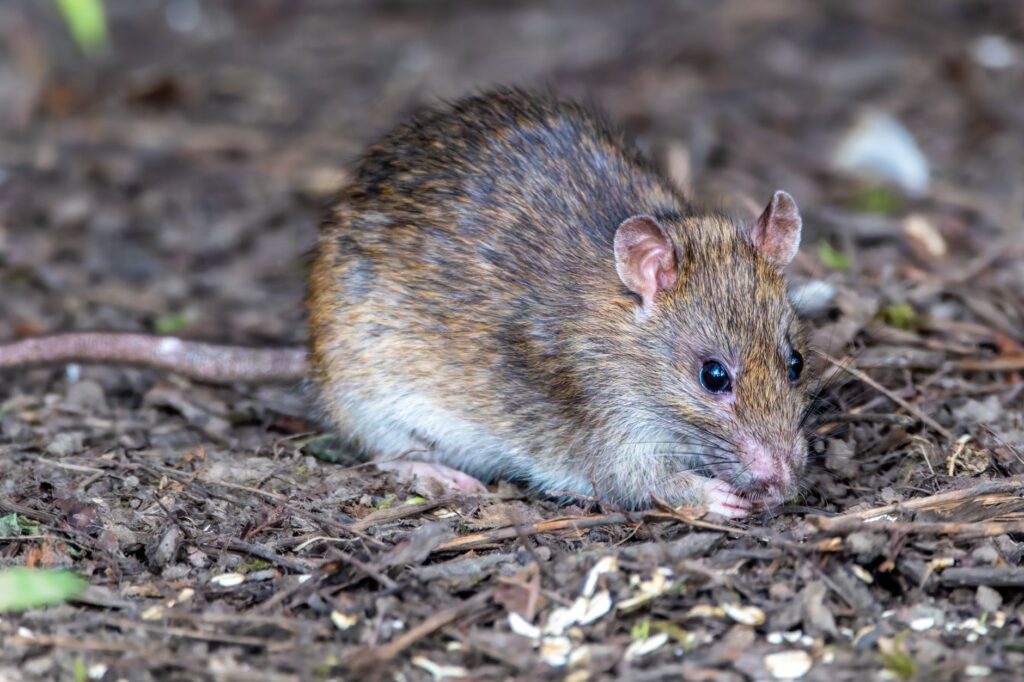
Oklahoma homeowners may encounter two main rat species: the roof rat and the Norway rat. Telling them apart matters because each species nests in different areas of your home and property. Knowing what to look for helps you act before a small problem grows.
How to Tell Rat Types Apart in Oklahoma
A young rat and a house mouse can look similar at first glance. Both measure roughly 6 to 7 inches in length. According to the University of Tennessee Extension, the key difference is proportion: a young rat has large feet and a large head relative to its body, while a house mouse has small feet and a small head.
Droppings offer another reliable clue. Roof rat droppings are pointed and about half an inch long. Norway rat droppings are blunt-ended and about three-quarters of an inch. House mouse droppings are much smaller, pointed, and roughly one-eighth of an inch.
How to Spot Rat Activity Inside Your Oklahoma Home
Rats are secretive and nocturnal, so you may not see one during the day. Even a single rat or evidence of rodent presence, such as fresh droppings or gnaw marks, justifies taking action. Finding droppings along walls, in cabinets, or in storage areas is often the first clue.
Roof rats prefer elevated nesting areas. They may nest in attics, inside wall voids, or among stored items in upper levels. Norway rats tend to stay lower, burrowing near the foundation or ground level of your home.
Where Rat Activity Shows Up Around Oklahoma Homes
According to Texas A&M School IPM, roof rats climb and nest above ground in attics and trees, while Norway rats burrow near foundations and can travel up to 150 feet from their nests. Rats may also nest in vine-covered structures and dense landscaping close to your home.
Checking trees, shrubs, and ground-level burrow openings near the foundation can reveal nesting activity before rats move indoors.
Exterior Entry Points Rats Use Around Oklahoma Homes
Rats can get into a home through openings as small as a quarter. Common entry points include gaps around AC lines and utility penetrations, cracks in the foundation, roofline gaps, damaged siding, dryer vents, garage doors, and worn or missing door seals.
Once inside, rats travel through walls, attics, crawl spaces, and garages. Sealing these openings through proper exclusion work is a critical part of rodent control.
Why Rat Problems Develop in Oklahoma
Rat problems around Oklahoma homes typically start outdoors. When rats find food, water, and cover near a structure, they gradually work their way inside. Understanding what draws them in can help you recognize early warning signs and reduce the conditions that invite activity.
Outdoor Nesting Areas for Rats Around Oklahoma Homes
Rats take advantage of clutter and debris close to a structure. Piles of waste lumber, trash, used feed sacks, abandoned large appliances, and wood piles next to your home can all provide cover. Removing these items from the perimeter of your property reduces the places rats can nest and hide.
Food and Shelter That Attract Rats Around Oklahoma Homes
Even a small, steady food source can sustain rat activity. Rats eat roughly 0.5 to 1 ounce of food daily and tend to hoard food as well. Unsecured pet food and seed are common attractants. Storing these items in rodent-proof glass or metal containers helps limit what rats can access.
Cleaning up stored food messes also minimizes food sources. According to the EPA, rodents create substantial annual damage to property, crops, and food supplies throughout America and can present public health threats by spreading diseases.
How Rats Move Around Oklahoma Homes
Rats are most active at dusk and travel at night to reach food and water sources. They are also excellent climbers and may travel up to 300 feet from a nesting area to reach food. This range means a rat nesting in nearby debris can still reach your home regularly.
Trails and Entry Points Rats Use in Oklahoma
Rats follow consistent travel routes, leaving visible signs along the way. As Texas A&M School IPM notes, evidence of infestation includes droppings, pilfered food, gnaw marks, and grease marks along walls, foundations, pipes, and electrical conduits. Spotting dark oil stains or droppings in those areas is a strong indicator of activity.
Risks From Oklahoma Rats
Rats that find their way into your home bring more than just an unwelcome presence. According to the EPA, rats jeopardize public health and cause property damage, making them a concern that goes beyond simple nuisance.
Health Risks Linked to Oklahoma Rats
Norway rats, roof rats, and house mice are recognized as pests that jeopardize public health when they infest homes. Their presence in living spaces creates conditions where your family may be exposed to the hazards these rodents carry with them indoors.
Property Damage From Rats in Oklahoma
Rats can compromise areas around pipes and utility penetrations, and voids around pipes often become pathways they exploit to move through your home. Sealing those voids with steel wool, copper gauze, or expandable foam can help protect vulnerable spots, since rodents will not chew through steel wool or mesh, as the University of Tennessee Extension notes.
Rats may also enter through sewer lines, potentially reaching your home through the commode. Addressing these less obvious entry points is an important part of protecting your property from ongoing damage.
Food Areas and Rat Activity in Oklahoma Homes
Kitchens, pantries, and anywhere food is stored or prepared can draw rat activity deeper into your home. Once rats infest a home, they tend to stay close to areas where resources are accessible. Keeping food sealed in sturdy containers and reducing access to attractants helps make your home less appealing to them.
When to Look Closer at Rat Activity in Oklahoma
If you notice droppings, rub marks, or scratching sounds in walls or ceilings, it may be time to investigate further. A service professional can assess activity and pinpoint how rats are entering your home. Seeing a rat during the day can point to a larger issue, since these rodents are typically active at night.
You have options for addressing a rat or mouse infestation on your property. Early identification of activity helps you take the right steps before rats settle in further.
Professional Pest Control for Rats in Oklahoma
Keeping rats out of your Oklahoma home takes more than a single trap in the attic. A thorough approach combines attractant reduction, detailed inspection, targeted trapping, and long-term exclusion. Below is what that process looks like and how Brandley Pest Control handles each step.
How to Reduce Attractants for Rats in Oklahoma
Rats can stash seeds or nuts inside wall voids, and according to Mississippi State University Extension, these hidden caches can support heavy infestations that are usually difficult to trace back to a single source. Removing easy access to food and shelter is your first line of defense.
Keep stored food in sturdy, sealed containers. Store pet food properly and clean up spills or crumbs quickly. Trim tree branches and bushes at least three feet from your foundation so rats have fewer pathways to your roofline. Remove cardboard and soft materials that rats may use for nesting.
Seal gaps around utility penetrations, foundation cracks, dryer vents, and door seals. Even minor gaps deserve attention. Limiting both food and entry opportunities makes your home far less appealing.
Why Rat Control in Oklahoma Starts With Inspection
Brandley Pest Control begins every rodent service with an inspection to identify the type of rodent, activity levels, and where rats are entering the home. Technicians look for droppings, nesting areas, grease marks, and gaps along the exterior, attic, and interior.
Norway rat burrows typically appear in soft soil, eroded areas, or where hard surfaces meet soil, and their entry holes tend to be clean and smooth with possible grease marks. Roof rats favor elevated locations including attics, walls, and tree tops. Knowing which species is present guides where traps and exclusion materials go.
Your technician will need access to the attic, crawl spaces, and potentially the roof. Make sure items are not blocking entry to these areas, and keep vehicles clear of any ground a ladder may need to reach.
What to Expect During Professional Rat Treatment in Oklahoma
After inspection, Brandley installs interior bait boxes or traps based on the size of your home and the level of activity. Trap options include scented glue traps, live traps, and snap traps, placed in strategic locations. As the University of Tennessee Extension notes, rats typically travel along wall edges, so snap trap triggers should be positioned near the wall for the best results.
When baits are part of the plan, they are placed in tamper-resistant bait stations made of durable plastic or metal and positioned where children and pets cannot reach them. Brandley does not recommend using bait inside attics without additional methods, because rats may die in inaccessible areas and cause lingering odors.
Once active rats are addressed, the team moves into exclusion. Entry points are sealed using rodent-proof materials such as caulking, foam, flashing, hardware cloth, door seals, and vent covers. This step is critical to prevent rats from re-entering.
What to Expect From a Oklahoma Rat Control Plan
After exclusion work is completed, Brandley schedules follow-up visits on a two-week or monthly basis to monitor activity and adjust treatment as needed. If attic contamination is present, attic sanitation may be recommended to remove droppings, nesting material, and odors left behind by rodents.
Attic Dust or Crawl Space Dusting is available as an add-on service. These are quoted separately from the standard rodent control plan because the cost depends on attic size and the level of contamination found during inspection.
Brandley’s Pest Maintenance Plan covers inside and outside crack and crevice treatment for a range of pests, including rats and mice. The overall goal is not just to remove rodents but to stop them from coming back through a complete control and prevention process, backed by a client satisfaction guarantee.
Bottom Line on Rats in Oklahoma
Addressing a rat issue early matters for both your property and your family’s well-being. Knowing what signs to look for, sealing entry points, and keeping attractants to a minimum all help reduce the chance of a rat problem in your home. When you spot activity, professional inspection and exclusion work can make a real difference. If you need help with rats in your Oklahoma home, contact Brandley Pest Control to schedule a free inspection.
Frequently Asked Questions About Rats in Oklahoma
How Do Rats Get Into a House?
Rats can squeeze through openings as small as a quarter. They commonly enter through gaps around utility lines, foundation cracks, roofline openings, damaged siding, dryer vents, and worn door seals. Once inside, they move through walls, attics, and crawl spaces. Sealing these openings is key to keeping rats out.
What Are the Signs of a Rat Problem?
Look for droppings along walls or in cabinets, scratching or scurrying noises in walls or ceilings, gnaw marks on food packaging or wood, and a strong musty odor. You may also find nesting material made from shredded paper or insulation. Rub marks along surfaces can also indicate rat activity.
Does Brandley Pest Control Use Poison Bait Inside the Home?
Brandley Pest Control does not recommend using bait inside the home on its own. Rats that consume bait may die in walls or other hard-to-reach areas, leading to unpleasant odors that can last for weeks. Instead, interior bait boxes or traps are placed in strategic locations, and exclusion work seals entry points so rats cannot return.
What Does the Rodent Control Process Look Like?
The process starts with an inspection to identify the rodent species, activity levels, and entry points. Interior traps or bait boxes are then placed based on the size of the home and level of activity. Follow-up visits are scheduled to monitor activity and adjust the approach as needed.