
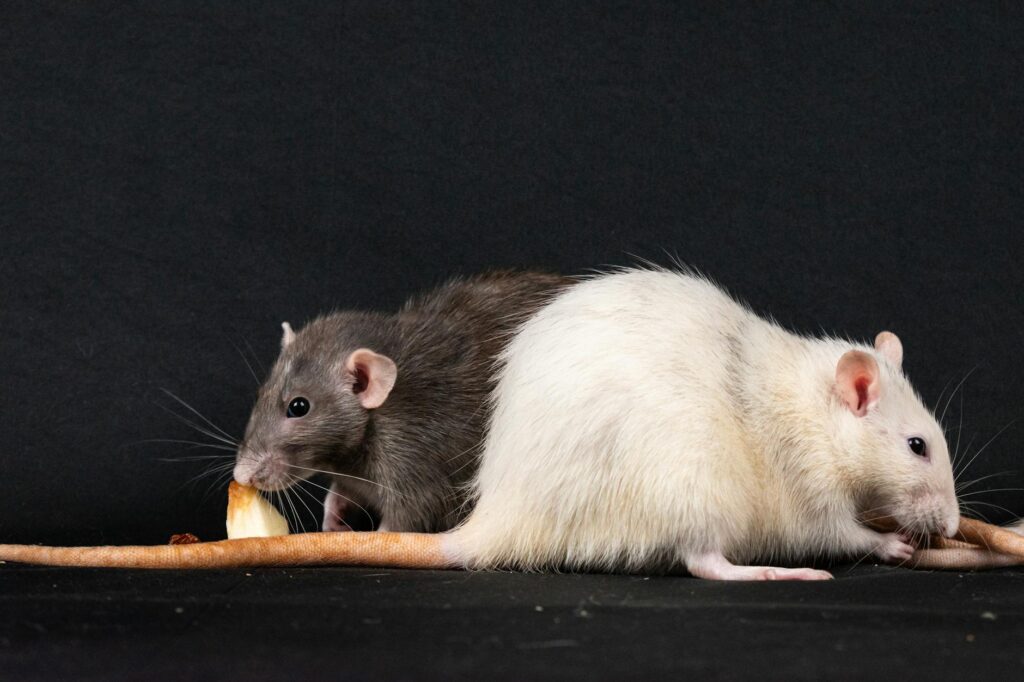
Rat Vs Mouse can create costly problems when early signs are missed. Learn what to look for, why it matters, and when to call Brandley Pest Control.
Key Takeaways About Rat Vs Mouse
- Rats and mice differ in body size, tail length, and ear proportions, and correctly identifying which rodent you have helps determine the right control approach.
- Both rats and mice can damage property and pose health concerns for homeowners, so even a single sighting or signs like droppings and gnaw marks warrant action.
- Trapping, sanitation improvements, and sealing entry points are core steps for controlling either pest in your home.
- Because rats and mice behave differently, a professional inspection can confirm the species present and guide a targeted plan.
How to Identify Rat Vs Mouse
Telling a rat from a mouse starts with knowing what to look for in body size, shape, and the signs each species leaves behind. Because rats and mice are both commensal rodents that live alongside people, homeowners sometimes confuse the two. A clear comparison of physical traits and activity clues helps you respond when you spot a problem.
How to Tell Rats and Mice Apart
Size is the most obvious difference. According to the University of Tennessee Extension, a Norway rat measures 12 to 18 inches in total length, with a heavy, thick body, small ears, and a tail shorter than its head and body combined. A roof rat is slightly smaller at 12 to 17 inches, with a light, slender body, larger ears, and a tail longer than its head and body.
Mice are noticeably smaller than either rat species. If the rodent you see is well under 12 inches long, with proportionally large ears and a thin tail, you are likely looking at a mouse rather than a rat. Appearance alone can narrow the options, but confirming the species often requires looking at other evidence as well.
How to Spot Rat or Mouse Activity Inside Your Home
You may notice signs before you ever see the rodent itself. Fresh droppings and gnaw marks are two of the most reliable indicators of rodent presence. Droppings are one of the easiest signs to compare. Mouse droppings are noticeably smaller than rat droppings, and differences in size can help confirm which rodent is present. Gnaw marks are another reliable indicator, and the size of the marks can help distinguish between the two rodents.
Even a single rat or mouse, or evidence such as fresh droppings or gnaw marks, justifies taking action, including setting traps, improving sanitation, and rodent-proofing the building. Waiting to confirm repeated sightings can give the problem time to grow.
Where Rat and Mouse Activity Shows Up Around Homes
Mice can squeeze through very small openings, so their activity often shows up in cabinets, along walls, and inside wall voids. Common signs include scratching or scurrying noises in walls or ceilings and a strong musty odor. Seeing a mouse during the day may suggest a larger problem, since mice are usually active at night.
Rats may travel through walls, attics, crawl spaces, and garages once inside. Droppings, gnaw marks on food packaging, wires, or wood, and shredded nesting material made from paper or insulation are all worth noting during a walkthrough of your home.
Exterior Entry Points Rats and Mice Use
Rats can get into a home through openings as small as a quarter. Common entry points include gaps around AC lines and utility penetrations, cracks in the foundation, roofline gaps, damaged siding, dryer vents, garage doors, and worn or missing door seals.
Mice also exploit small gaps and cracks around garages, siding, AC lines, foundations, and doors and windows. Sealing these entry points with rodent-proof materials such as hardware cloth, flashing, foam, door seals, and vent covers is key to keeping both species out long term.
Why Rat Vs Mouse Problems Develop
Both rats and mice seek the same basic resources: food, water, and shelter. Understanding the rat vs mouse comparison starts with recognizing that each rodent behaves differently once it finds those resources near your home. Rats tend to be bolder travelers, while mice can survive on surprisingly small amounts of food. According to the EPA, both rodents present serious public health threats by spreading diseases and cause significant property damage annually.
Outdoor Nesting Areas for Rats and Mice
Rat species choose different nesting spots based on their habits. According to Texas A&M School IPM, roof rats climb and nest above ground in attics and trees, while Norway rats burrow near foundations. Mice often nest closer to their food source, tucking into sheltered voids near stored items. These preferences mean a rat vs mouse problem can develop from entirely different directions around your property.
Food and Shelter That Attract Rats and Mice
Food is the primary driver for both pests. Mice eat roughly 0.5 to 1 ounce of food daily and tend to hoard food in hidden caches. Rats travel at night to reach food and water sources. Cleaning up stored food messes minimizes food sources for both species. Contaminated food or water left accessible near your home gives either rodent a reason to stay.
How Rats and Mice Move Around Homes
Rats are most active at dusk and travel under cover of darkness to reach food and water. Norway rats can travel up to 150 feet from their nests, giving them a wide foraging range. Mice typically stay closer to nesting areas. Both rodents leave behind droppings, pilfered food, gnaw marks, and grease marks along their travel routes.
Trails and Entry Points Rats and Mice Use
Rats and mice follow consistent paths once they find a way inside. According to Texas A&M School IPM, evidence of their presence appears along walls, foundations, pipes, and electrical conduits, which rodents use as travel routes. Grease marks, dark oil stains from rats rubbing against surfaces, often highlight these trails. Both species exploit gaps around utility lines, rooflines, foundations, and doors to gain entry.
Risks From Rat Vs Mouse
Whether you have a rat or a mouse, the stakes go beyond a simple nuisance. According to the EPA, the Norway rat, roof rat, and house mouse are particularly problematic pests that infest homes, jeopardize public health, and cause property damage. Understanding the specific risks each rodent poses helps you respond with the right level of urgency.
Health Risks Linked to Rats and Mice
Both rats and mice can jeopardize public health once they move into your home. Droppings, urine, and nesting material accumulate in areas you may not check regularly, such as attics, wall voids, and crawl spaces. If attic contamination is present, these materials and lingering odors can create ongoing concerns for your household.
Because rats and mice travel through walls, attics, and garages, their presence can spread contamination across multiple areas before you notice visible signs.
Property Damage From Rats and Mice
Property damage is one of the clearest consequences of a rodent problem. Both rats and mice gnaw on wires, wood, and food packaging. Once inside, rodents use wall voids as travel paths. Gnaw marks on wiring are a particular concern because they can create hidden hazards behind walls or in attic spaces. The longer rodents remain, the more damage accumulates in areas that are difficult and costly to access.
Food Areas and Rat or Mouse Activity
Kitchens, pantries, and anywhere food is stored can attract rodent activity. You may notice gnaw marks on food packaging or small droppings along walls and inside cabinets. Keeping food sealed in sturdy containers and cleaning up spills or crumbs quickly helps make your home less appealing. Store pet food properly and remove cardboard from the home as soon as possible, since mice can chew through it.
When to Look Closer at Rat or Mouse Activity
Scratching or scurrying noises in walls or ceilings, a strong musty odor, and small droppings near food areas are all signs worth investigating. Daytime mouse sightings often indicate a larger population.
Rats add another layer of difficulty. As the University of Tennessee Extension notes, rats are bait shy, meaning they may avoid new objects in their environment for days. This cautious behavior can make a rat problem harder to address without a thorough inspection to identify activity levels and entry points.
Professional Pest Control for Rat Vs Mouse
The approach to pest control differs based on the rodent’s habits and the areas it occupies. Rats and mice both travel along wall edges, but rats may burrow at ground level or take to elevated spaces depending on the species. A professional rat vs mouse control plan accounts for these differences from the first inspection through follow-up visits.
How to Reduce Attractants for Rats and Mice
Reducing what draws rodents to your home is the first step in any rat vs mouse pest control effort. Keep all food sealed in sturdy containers and store pet food in sealed containers. Clean up spills or crumbs right away. Trim tree branches and bushes at least three feet from the foundation, and avoid storing soft items like blankets or fabric in cardboard boxes that rodents can chew through. Heavy-duty sealed bins are a better option.
Limiting nesting materials and food access makes your home less appealing to both rats and mice before any trapping or exclusion work begins.
Why Rat and Mouse Control Starts With Inspection
At Brandley Pest Control, we begin with an inspection to identify the type of rodent, activity levels, and where rodents are entering the home. We look for droppings, nesting areas, rub marks, and entry points along the exterior, attic, and interior spaces. According to Texas A&M School IPM, Norway rat burrows appear in soft soil or where hard surfaces meet soil, and entry holes may show grease marks. Roof rats, by contrast, favor elevated locations including attics, walls, and tree tops.
These clues help our service professionals determine which species is present and which areas need attention first. Common access points include gaps around AC lines, foundation cracks, roofline gaps, dryer vents, and worn door seals.
What to Expect During Professional Rat or Mouse Treatment
Many different types of traps are available for rodent pest control, ranging from snap traps to multiple-catch traps to live traps. Mice and rats typically use wall edges as travel guidelines, so snap trap triggers should be placed near the wall. We install interior bait boxes or traps based on the size of your home and the level of activity, placed in strategic locations.
If baits are used, according to the EPA, they should be in tamper-resistant bait stations made of durable plastic or metal, placed where children and pets cannot reach them. Brandley Pest Control uses scented glue traps, glue boards, live traps, and snap traps depending on the situation. We never recommend using bait inside the attic alone, because rats may die in walls and cause odor problems for weeks.
What to Expect From a Rat or Mouse Control Plan
Once active rodents are addressed, we move into exclusion. We identify and seal entry points using rodent-proof materials such as rodent stop caulking, foam, flashing, hardware cloth, door seals, and vent covers. This step is critical to prevent rodents from re-entering the home.
After exclusion work is completed, we schedule follow-up visits on a two-week or monthly basis to monitor activity and adjust as needed. If attic contamination is present, we may recommend attic sanitation to remove droppings, nesting material, and odors left behind. Our approach covers the full process from inspection through ongoing monitoring, addressing both rat and mouse concerns under one plan.
Bottom Line on Rat Vs Mouse
Rats and mice differ in size, behavior, and the way they move through a home, but the practical takeaway is the same: either one calls for prompt action. Identifying which rodent you are dealing with helps determine the right trap placement, exclusion strategy, and follow-up plan. Because every home has different entry points and activity levels, a professional inspection is the fastest way to confirm what you are facing and what needs to be done. Brandley Pest Control offers free rodent inspections across the OKC area, so contact us to get started.
Frequently Asked Questions
How Can I Tell Whether I Have Rats or Mice?
Look at droppings, gnaw marks, and any grease marks along walls or travel routes. Rat droppings are noticeably larger than mouse droppings, and rats tend to leave dark oil stains where they rub against surfaces. Scratching or scurrying sounds in walls or ceilings can point to either pest, so a professional inspection can confirm the species and activity level.
Do Rats and Mice Require Different Control Approaches?
Yes. Trap selection and placement vary based on which rodent is present. An approach that covers both trapping and exclusion includes installing traps or bait boxes in strategic locations, then sealing entry points with appropriate rodent-proof materials. Follow-up visits help monitor activity and adjust the plan as needed.
Can Rats and Mice Enter Through the Same Openings?
Both rodents exploit small structural gaps. Common entry points include spaces around AC lines and utility penetrations, foundation cracks, roofline gaps, damaged siding, dryer vents, and worn door seals. Proper exclusion work addresses all of these access points.
What Should I Do Before a Rodent Inspection?
Make sure your technician can reach the attic, crawl spaces, and roof. Move stored items away from access panels, and keep vehicles clear of areas where a ladder may be needed. Reducing food sources by cleaning up spills and storing food in sturdy, sealed containers also helps make the home less appealing to rodents while the control plan takes hold.