
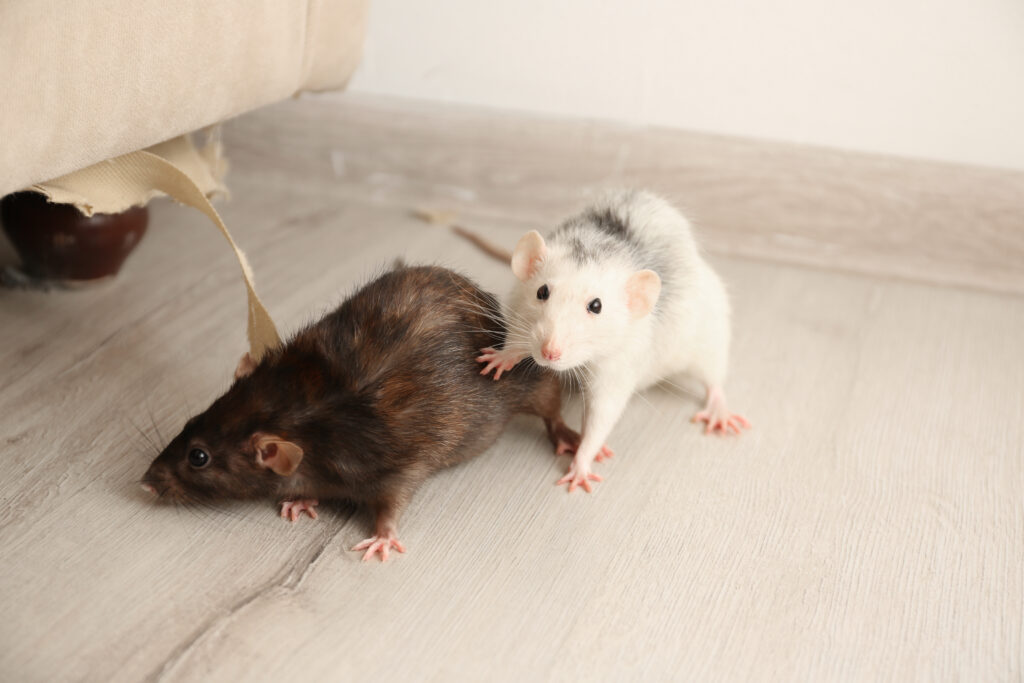
You may not see a rat right away, but the damage it leaves behind can reveal its presence. One clear sign of rodent activity in Yukon homes is gnaw marks.
Rat gnaw marks go beyond surface damage. They often point to a growing rat infestation that can cause property damage and health risks. In Yukon, seasonal changes push rodents indoors, making these warning signs easier to spot.
Understanding rat gnaw marks identification helps you act early. The sooner you confirm these signs, the easier it is to address a rodent problem before it gets worse with help from pest control in Yukon.
Key Takeaways
Rat gnaw marks vs mouse and squirrel damage
Gnaw marks show up before you ever see the animal — but the size, depth, and location of the damage vary by species. Knowing which rodent left the marks helps you gauge how serious the problem is and where to look next.
- Rat gnaw marks are larger and deeper than mouse chew marks.
- Common areas include baseboards, attics, basements, and food storage spaces.
- Droppings, smudges, and nesting materials confirm signs of rodent activity.
- Fresh gnaw marks often mean an active rat infestation.
- Early pest control helps reduce property damage and health risks.
What Rat Gnaw Marks Look Like
Rat gnaw marks have distinct features that set them apart from normal wear or those of other pests. These patterns help you link damage to rodent activity inside your home.
Parallel Teeth Marks
Rat teeth marks often appear as two parallel grooves made by their incisors. These marks are wider than those from house mice and often appear on wood, plastic, or wiring.
Rough and Fresh Edges
Fresh gnaw marks look rough and lighter in color, while older marks darken over time. Clean, sharp edges often indicate recent activity.
Larger Bite Size and Depth
Rats leave larger and deeper marks than smaller rodents. Norway rats and roof rats can chew through thicker materials, often leaving visible damage on baseboards, boxes, and containers near food sources or nesting sites.
Common Places to Find Gnaw Marks
Rodents leave gnaw marks where they travel, nest, or search for food.
- Baseboards and Interior Edges: Baseboards are a common place for gnaw marks because rats follow walls. You may also notice rub marks, smudges, and rodent droppings along these paths.
- Attics and Storage Areas: Attics provide shelter and are often used as nesting sites, especially by roof rats. Look along beams or stored items for shredded paper, rat nests, droppings, and gnaw marks.
- Basements and Crawl Spaces: Basements and crawl spaces are quiet, low-traffic areas where Norway rats often stay. In these spaces, you may find burrows, gnaw marks on pipes, and signs near water sources.
- Food Storage and Pet Areas: Rats seek out food sources like stored goods and pet food. Gnaw marks on containers, along with rat droppings or mouse droppings, show rodent activity in these areas.
Rat Gnaw Marks vs Mouse and Squirrel
Not all chew marks come from rats, so comparing damage helps narrow the source.
Rat vs Mouse Marks
Rat gnaw marks are larger and deeper than those from house mice. Mouse droppings are smaller, while rat droppings are thicker, which helps distinguish them.
Rat vs Squirrel Damage
Squirrels usually leave bite marks outside or near rooflines, and their damage tends to be more scattered. Rats are more likely to leave consistent gnaw marks indoors, often alongside rub marks and smudges near food sources.
Signs That Confirm Rats
Gnaw marks are only one sign of a rodent problem. When combined with rodent droppings, scurrying sounds, nesting materials, and burrows near entry points, these signs give a clearer picture of a rodent infestation.
What Rat Gnaw Marks Usually Mean
Rat gnaw marks signal rodent activity.
Active Rodent Infestation
Fresh gnaw marks often mean ongoing activity. Rats chew to control their incisors, so new damage, along with droppings or scurrying sounds, can indicate the problem is still active.
Access to Food and Water
Gnaw marks near kitchens, storage areas, or pet food often show access to food sources. Water sources in basements or crawl spaces can support rodent populations.
Hidden Entry Points and Nesting Sites
Gnaw marks near entry points can show how rats are getting inside. Once inside, they build nesting sites using shredded paper and other materials in attics, basements, or crawl spaces.
Schedule a Rodent Inspection in Yukon
If you see rat gnaw marks, take action. A professional inspection helps find the extent of the rodent problem and hidden activity.
Brandley Pest Control provides rodent and general pest control services for homes in Yukon, including a full inspection to find pest activity and its causes. Contact us to schedule an inspection and start reducing rodent activity on your property.
Rat Gnaw Marks Identification: FAQs
What do rat gnaw marks look like?
Rat gnaw marks appear as deep, parallel grooves made by their incisors. They are wider than mouse marks and often found on wood, plastic, or wiring.
Where are rat gnaw marks most commonly found?
Rats leave gnaw marks along baseboards, in attics, basements, crawl spaces, and near food sources where they travel and nest.
Do gnaw marks always mean a rat infestation?
Gnaw marks are common warning signs, especially when accompanied by droppings or nesting materials. Multiple signs often point to an active rodent infestation.