
Getting rid of fleas can be expensive when early signs are missed. Learn the signs, risks, and when to call Brandley Pest Control.
Key Takeaways About How To Get Rid Of Fleas
- Fleas are wingless parasites that feed on the blood of pets and people, and they can spread quickly through your home by laying eggs in carpets, furniture, and bedding.
- Getting rid of fleas requires attention to both your pets and your living spaces. Treating only one without the other often leaves the problem unresolved.
- Vacuuming all floor surfaces regularly and keeping your yard freshly mowed can help reduce flea activity, but thorough preparation and proper treatment are usually needed to address an established infestation.
- Your pets should be on a vet-recommended flea treatment plan, and their bedding should be cleaned on the same day as any home treatment to help prevent fleas from returning.
How to Identify How To Get Rid Of Fleas
Before you can tackle a flea problem, you need to confirm what you’re dealing with. Fleas are tiny and fast, so knowing what to look for on your pets and around your home helps you act sooner. Below is a breakdown of flea appearance, indoor warning signs, common activity areas, and the ways fleas find their way inside.
How to Tell How To Get Rid Of Flea Types Apart
The cat flea is the most common flea pest of cats and dogs in and around homes, according to Kansas State University Extension. Adult fleas are small, roughly 1/8 to 3/16 inch long, brown, and wingless. Their bodies are compressed from side to side, which helps them move between hairs on a host animal. Legs are long and built for jumping.
Flea larvae are much harder to spot with the naked eye. They are typically found in the same areas where pets rest. A special metal flea comb can help you remove adult fleas from your pet’s coat so you can examine them up close.
How to Spot How To Get Rid Of Flea Activity Inside Your Home
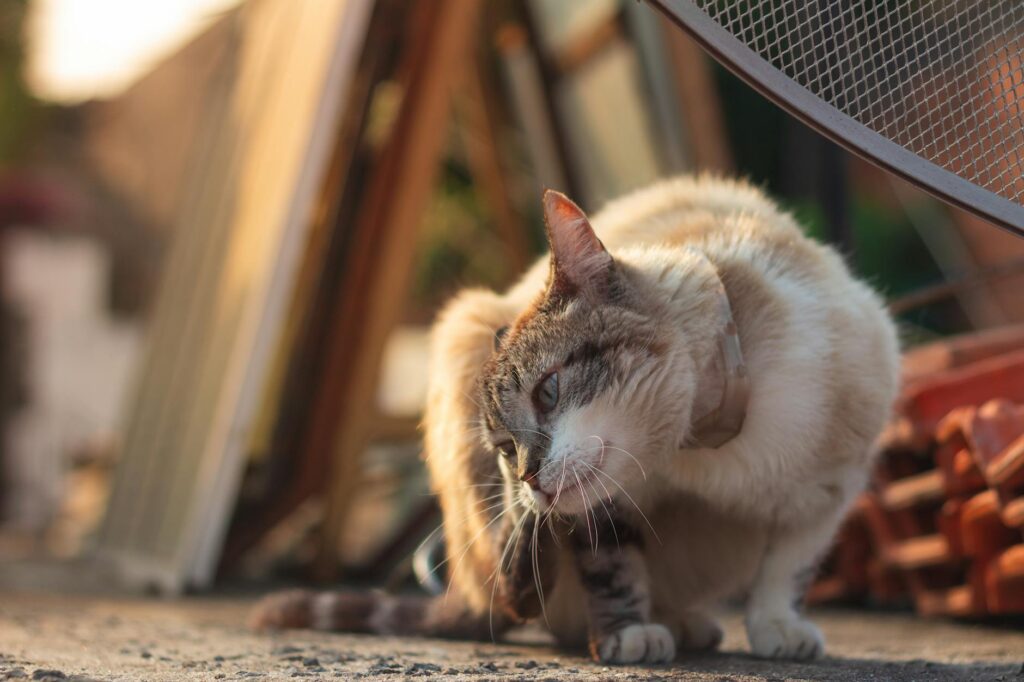
One of the first signs of fleas is persistent scratching from your dog or cat. Run a metal flea comb through your pet’s fur, paying attention to areas where fleas tend to gather. If you pull out small, dark, wingless insects, you likely have a flea issue.
Another indicator is “flea dirt,” which looks like tiny dark specks in pet bedding, carpets, or on your pet’s skin. Adult fleas prefer to feed on dogs, cats, opossums, foxes, and sometimes rats and other urban animals. When pets are not available, fleas may bite people as well.
Where How To Get Rid Of Flea Activity Shows Up Around Homes
Indoors, fleas and their eggs tend to collect wherever your pets spend the most time. Carpets, pet bedding, and floor surfaces throughout your home can harbor flea activity. Flea control should address both the pets themselves and the breeding sites where immature fleas develop, as Purdue Extension notes.
Outdoors, shaded areas of your yard where pets rest or play are common hotspots. Brandley Pest Control technicians inspect yards for these hotspots as part of the treatment process.
Exterior Entry Points how to get rid of Use
Fleas most often enter your home on pets that have picked them up outside. Dogs and cats moving through the yard can carry adult fleas indoors, where the fleas then drop eggs into carpets and along floor surfaces. Wildlife such as opossums and foxes can also deposit fleas in your yard, creating new opportunities for pets to pick them up.
Keeping your lawn freshly cut can help reduce outdoor flea habitat. Brandley Pest Control recommends mowing before any outdoor treatment so the yard is prepared for thorough inspection and service.
Why How To Get Rid Of Fleas Problems Develop
Flea problems rarely appear out of nowhere. They build gradually as fleas find the right combination of hosts, shelter, and undisturbed nesting areas in and around your home. Understanding what draws fleas in and how they spread helps you catch an issue early and take the right steps.
Outdoor Nesting Areas for how to get rid of
Fleas often establish themselves in shaded, sheltered spots in your yard before ever reaching the inside of your home. Areas where pets rest outdoors, shaded ground cover, and spots beneath decks or porches can harbor flea larvae and eggs. Adult cat fleas feed on dogs, cats, and a variety of furred animals, so wildlife passing through your yard can deposit fleas in these same areas.
Food and Shelter That Attract how to get rid of
Fleas are parasites that survive solely on blood from warm-blooded animals, including humans. Any pet that spends time outdoors can become a host and carry fleas back inside. Once indoors, fleas can lay eggs in carpets, bedding, and furniture. Without thorough and regular cleaning of areas where adult fleas, flea larvae, and flea eggs are found, populations can grow quickly.
How how to get rid of Move Around Homes
Pets are the primary vehicle for flea movement indoors. Fleas are small, wingless insects with strong jumping legs, which allow them to move between hosts and surfaces easily. As your pet moves from room to room, fleas and their eggs spread to new areas. According to Texas A&M AgriLife Extension, when checking your pet with a flea comb, pay special attention to the face, neck, and the area in front of the tail, as these are common gathering spots.
Trails and Entry Points how to get rid of Use
Fleas typically enter your home on the animals that carry them. Doorways, pet doors, and any opening your dog or cat uses regularly can become a pathway. Keeping your lawn freshly cut and preparing outdoor areas before any treatment helps reduce harborage near entry points. Pets should also be on some form of flea medication, which according to Oregon State University Solve Pest Problems can be given monthly as a chewable treat or food additive, to help reduce the number of fleas hitching a ride inside.
Risks From How To Get Rid Of Fleas
Understanding the risks fleas pose helps you decide how urgently to act. Fleas are blood-feeding parasites that target both animals and people, and the longer an infestation goes untreated, the more discomfort everyone in the household may experience.
Health Risks Linked to how to get rid of
Flea bites are itchy and irritating for both pets and people. According to Oregon State University Solve Pest Problems, some people and pets suffer from flea-bite allergic reactions, which can make the itching far more intense. In pets, constant irritation from fleas can lead to skin problems, anxiety, and a reduced overall well-being.
Adult fleas bite and feed on the blood of dogs, cats, and other pets. Fleas also bite people. When no animal host is available, fleas may turn to humans instead. Bites on people most often appear near the ankles and lower legs because newly emerged adult fleas jump toward passing hosts, sometimes covering 8 to 10 inches in a single leap.
Property Damage From how to get rid of
Fleas do not cause structural damage to your home the way termites or rodents might. Their impact is directed at living hosts. However, infestations readily take place indoors once fleas are introduced, and a growing population throughout carpets and upholstered areas can make rooms uncomfortable for everyone in the household.
Food Areas and How To Get Rid Of Flea Activity
Dogs and cats serve as the primary hosts for fleas in homes, and pets often rest or eat near kitchen and dining spaces. Wherever pets spend time, fleas can be present. Keeping pet bedding clean and treating pets with a skin-applied or oral flea product recommended by your veterinarian helps limit flea activity in areas where your family gathers and eats.
When to Look Closer at How To Get Rid Of Flea Activity
If you or your pets are getting bitten regularly, it is worth investigating further. Flea bites on people that cluster around the ankles and lower legs are a strong signal. On pets, watch for persistent scratching, skin irritation, or anxious behavior.
Your veterinarian can prescribe a monthly flea treatment to apply to your pet’s skin, which is an important part of keeping flea numbers in check. If bites continue despite treating your pets, the indoor population may have grown beyond what simple steps can address, and a professional inspection of your home and yard is worth considering.
Professional Pest Control for How To Get Rid Of Fleas
When DIY steps fall short, professional pest control can help address a flea problem at multiple stages of the life cycle. Understanding how to reduce attractants, what an inspection covers, and what treatment involves gives you a clearer picture of the process.
How to Reduce Attractants for how to get rid of
Keeping fleas away from your home starts with your pets. Topical flea treatments should be applied to your pet’s neck, where the product stays out of the animal’s reach. For pets that swim or bathe regularly, oral flea products you feed your pet may be a better choice, as noted by Oregon State University Solve Pest Problems.
Before any professional treatment, Brandley Pest Control provides a flea prep sheet. Inside preparation includes removing everything from the floor, vacuuming all carpets, underneath beds, and the bottom of closets, then throwing the vacuum bag away. Sweep and mop all hard floors. Have pets treated the same day and clean their bedding.
Outside, mow the lawn before your service appointment. A freshly cut yard helps your technician identify hotspots and allows treatment to reach the areas where fleas tend to be active.
Why How To Get Rid Of Flea Control Starts With Inspection
At Brandley Pest Control, the first step is a conversation. Your technician will ask whether fleas are indoors, outdoors, or both. In most single-family homes, pets have brought fleas inside, so both indoor and outdoor treatment is typically needed. An either-or option is also available.
After understanding your situation, your technician performs a thorough inspection of the yard, looking for hotspots and areas of activity. This inspection shapes the treatment plan so that the right areas are addressed rather than applying a one-size-fits-all approach.
What to Expect During Professional How To Get Rid Of Flea Treatment
Outdoors, your technician will treat the yard as needed based on the inspection findings. Indoors, treatment covers all floor surfaces with appropriate products. The floor may feel slightly slippery at first but dries quickly. Fans or air movers can speed up drying time. The house must be vacant until the product dries, which takes roughly two to three hours.
The products Brandley uses include a growth regulator that stops fleas from developing into biting, egg-laying adults. According to Texas A&M AgriLife Extension, insect growth regulators work by disrupting the normal development of flea eggs and larvae, making them a valuable part of flea treatments.
What to Expect From a How To Get Rid Of Flea Control Plan
After treatment, your role matters. Vacuum all floor surfaces for seven to ten days. The vibration from vacuuming encourages remaining eggs to hatch, which allows the treatment to work on newly emerged fleas. After each session, throw the vacuum bag away immediately.
All pets in the household need to be on some form of flea medication during this period. Keeping up with pet treatment and consistent vacuuming supports the overall plan and helps address the full flea life cycle across your home.
Bottom Line on How To Get Rid Of Fleas
Getting rid of fleas takes a coordinated approach that addresses both your pets and their surroundings. Vacuuming, cleaning pet bedding, keeping your lawn trimmed, and having pets on flea medication all play a role in managing an infestation. Because fleas can be present even in homes without pets, a thorough inspection matters.
Contact Brandley Pest Control to schedule an inspection and get a treatment plan tailored to your home.
Frequently Asked Questions
Can I Get Fleas Without Owning a Pet?
Yes. Wild animals such as raccoons, opossums, or squirrels nesting in an attic, fireplace, or crawlspace can introduce fleas to your home. A flea problem does not always require a household pet to get started.
What Should I Do Before a Flea Treatment?
Key steps include removing items from the floor, vacuuming all carpets and under beds, sweeping and mopping hard floors, mowing your lawn, and having your pets treated the same day.
Why Is Vacuuming Important After Treatment?
Vibration from vacuuming encourages remaining flea eggs to hatch, which allows the treatment to reach newly emerged fleas. Brandley recommends vacuuming all floor surfaces for seven to ten days after service and throwing the vacuum bag away after each session.
Do Fleas Bite People?
Fleas can bite both pets and people. Bites are typically small, itchy red bumps that may appear in clusters. Some people and pets may experience allergic reactions to flea bites, which can cause more intense itching and discomfort.