
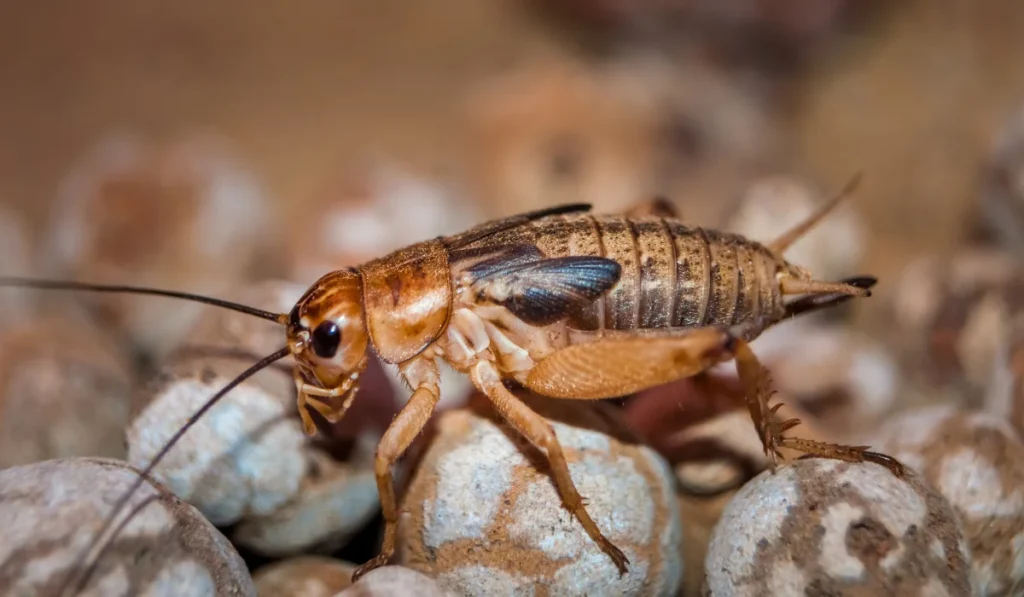
One cricket chirping near the garage can keep an entire household awake. When that sound returns night after night or starts coming from a bedroom wall, utility room, or closet, crickets may be finding dependable shelter and entry points around your home. Learning how to get rid of crickets before cooler weather arrives can keep a small outdoor issue from becoming a persistent indoor problem.
Late summer is the right time for homeowners in Yukon, Mustang, Piedmont, Edmond, and Northwest Oklahoma City to take action. Crickets gather near homes where exterior lighting, moisture, vegetation, and structural gaps give them what they need. Once they reach a worn door sweep or an opening near the foundation, getting indoors takes little effort.
Effective cricket control starts outside. Reducing shelter, correcting moisture, adjusting outdoor lights, and sealing entry points can stop many crickets before they enter. When activity has already spread indoors, a thorough inspection and targeted treatment can address both the visible insects and the conditions supporting them.
Why Cricket Activity Increases Before Fall
Field crickets live throughout Oklahoma, but their activity can become much more noticeable near the end of summer. According to Oklahoma State University’s field cricket guidance, adults of some species are present during summer and fall, and unusually large populations may appear during August and September. OSU also reports that outbreaks can follow dry spring and early-summer conditions when rainfall returns later in the season.
Cooler late-summer nights can bring another change. Texas A&M’s explanation of seasonal cricket swarms notes that cool fronts increase field cricket activity, while bright dusk-to-dawn lighting concentrates them around doors, buildings, and other illuminated areas. These seasonal gatherings commonly last four to six weeks, which helps explain why cricket chirping at night can seem to begin all at once.
Male crickets create that familiar sound by rubbing parts of their wings together. Since crickets are most active after dark, a few insects near an illuminated porch or garage can quickly become difficult to ignore. The chirping may be the first sign you notice, but the conditions drawing crickets toward the house often developed earlier.
What Attracts Crickets to Your Home
Crickets move toward properties that offer shelter, moisture, and easy access to the structure. Tall grass, dense shrubs, damp mulch, leaf debris, firewood, stacked bricks, and stored materials can provide shaded hiding places during the day. When these conditions sit against the foundation, crickets remain close to doors, vents, windows, and utility openings.
Exterior lighting can increase the problem after sunset. Bright porch lights, garage fixtures, and security lights may draw field crickets from the surrounding yard and concentrate them beside entrances. A light that stays on throughout the night gives crickets more time to locate a loose threshold, damaged screen, or narrow structural gap.
Moisture can also support recurring activity. Leaking outdoor faucets, clogged gutters, poor drainage, condensation, and damp crawl spaces create protected areas where crickets can hide. An Oklahoma home does not need a major water problem to attract them. A consistently damp strip of mulch or shaded soil near the foundation may be enough.
| Area Around the Home | What Can Attract Crickets | Helpful Correction |
|---|---|---|
| Porch and exterior doors | Bright lights, worn seals, nearby plants | Reduce unnecessary lighting and replace damaged door sweeps |
| Garage | Threshold gaps, clutter, cardboard, and open doors | Improve the door seal, reduce clutter, and limit open-door time after dark |
| Foundation | Cracks, damp mulch, leaves, and dense vegetation | Repair openings, clear debris, and improve drainage |
| Utility areas | Pipe gaps, condensation, and minor leaks | Seal penetrations and correct the moisture source |
| Storage spaces | Darkness, undisturbed boxes, and fabric items | Organize belongings and use sealed storage containers |
How Crickets Get Into the House
Crickets in the house usually enter through openings near ground level. Worn door sweeps, loose weatherstripping, gaps beneath garage doors, damaged window screens, and foundation cracks are common access points. Openings around pipes, cables, vents, and other utility penetrations may also lead directly into garages, crawl spaces, or utility rooms.
Garages deserve close attention because they connect outdoor conditions with indoor storage. A cricket attracted to a driveway light may slip under a poorly sealed garage door, then hide beneath shelving, boxes, lawn equipment, or stored fabric. From there, it may move along the wall or enter the main living area through an interior doorway.
Crickets can be hard to locate once they settle indoors. Sound may travel through a wall cavity or beneath cabinetry, making a cricket seem farther away than it is. University of Minnesota guidance on household crickets recommends repairing cracks, trimming tall grass and weeds, moving debris away from the foundation, and reducing unnecessary outdoor lighting to limit indoor entry.
How to Get Rid of Crickets Before They Settle Indoors
The best way to get rid of crickets is to correct the outdoor conditions bringing them close to the house. Vacuuming one cricket from a bedroom can stop the noise for the evening, but it will not repair the gap it used or remove the shelter beside the foundation. A complete approach reduces attraction, blocks access, and monitors the places where activity has already appeared.
Adjust Lighting Near Doors and Windows
Turn off exterior lights that are not needed throughout the night. Motion-activated fixtures can provide visibility when someone approaches without keeping an entrance illuminated for hours. When practical, position brighter lights away from exterior doors so insects gather farther from the structure.
Close curtains or blinds near ground-level windows after dark, especially in rooms with bright interior lighting. This will not eliminate crickets from the yard, but it can reduce the amount of light drawing them toward glass, window frames, and nearby foundation openings.
Remove Outdoor Hiding Places
Trim tall grass and dense vegetation along exterior walls. Clear leaves from beneath shrubs, around air-conditioning equipment, and beside garage corners where moisture and shade can persist. Move firewood, bricks, lumber, and other stored materials away from the foundation whenever space allows.
Check mulch beds for areas that stay wet or heavily compacted. Thick ground cover beside the house can give crickets a protected daytime refuge within inches of a structural opening. Improving airflow and allowing the soil surface to dry can make these areas less favorable.
Correct Moisture and Drainage Problems
Inspect outdoor faucets, gutters, downspouts, crawl spaces, and utility areas for ongoing moisture. Extend downspouts where water collects near the house, clean clogged gutters, and repair minor leaks instead of allowing them to keep the surrounding area damp. Indoors, check beneath sinks and around appliances for condensation or slow plumbing leaks.
Pay attention when crickets repeatedly appear in the same room. A utility space with a pipe opening and steady condensation gives them both an entrance and a sheltered place to remain. Correcting only one of those conditions may allow the activity to continue.
Seal Likely Entry Points
Replace worn door sweeps and loose weatherstripping before cool fronts increase cricket movement. Check garage doors for gaps along the bottom corners, repair torn screens, and seal visible openings around windows, foundations, pipes, cables, and vents with materials suited to the surface.
Inspect places where brick, siding, trim, and concrete meet. Small separations can be easy to miss during a quick walk around the property. Sealing these openings can help prevent crickets from entering while also reducing access for spiders, beetles, earwigs, and other occasional invaders.
Remove and Monitor Indoor Activity
Use a vacuum to remove visible crickets when only one or two have entered. Sticky monitoring traps placed along walls in garages, utility rooms, or storage spaces can show where insects are moving. Position them near suspected entry points rather than scattering them throughout the house without a plan.
Continue inspecting after the chirping stops. Look beneath shelving, behind appliances, around baseboards, and near exterior doors. Repeated activity in one location often points to an unresolved outdoor hiding place or structural gap nearby.
Can Crickets Damage Household Belongings?
Crickets are primarily nuisance pests, but larger indoor populations may damage certain stored materials. Oklahoma State University Extension notes that field crickets may feed on soiled fabrics and can chew leather, rubber, plastic, and wood when numbers are high. Clothing marked by food residue or perspiration may be more attractive than freshly cleaned fabric.
Closets, garages, attics, and storage rooms can give crickets long periods without disturbance. Cardboard boxes, paper products, folded clothing, and stored household items create hiding places even when the insects are not feeding on them. Sealed storage containers and organized shelving make these spaces easier to inspect and less accommodating.
Crickets do not usually cause major structural damage to a home. Their most common effects are persistent nighttime noise, unwanted indoor activity, and occasional damage to fabrics or stored belongings. Addressing a recurring infestation early helps prevent crickets from spreading into additional rooms or remaining hidden for long periods.
When DIY Cricket Control Is Not Enough
A single cricket near an open door does not always require professional cricket pest control. The situation deserves a closer look when chirping continues every night, crickets appear in several rooms, or activity returns after you have repaired obvious gaps. Crickets in crawl spaces, wall voids, or other difficult-to-access areas can also be challenging to trace without a detailed inspection.
Professional cricket control should begin by identifying where the insects are gathering and how they are getting inside. Brandley Pest Control inspects the property, listens to what the homeowner has noticed, and looks for entry points and outdoor conditions that may be contributing to the problem. The findings guide a treatment plan based on the property rather than a one-size-fits-all application.
Cricket removal often focuses first on the exterior foundation, doors, windows, mulch beds, tall grass, and shaded edges where activity begins. If crickets have already moved indoors, targeted treatment may be recommended in garages, utility rooms, along baseboards, or within cracks and crevices. Follow-up service can monitor the results and address conditions that continue to support activity.
Keep Crickets Out of Your Oklahoma Home This Fall
Fall cricket problems often start outdoors before the first chirp is heard inside. Bright lights, damp soil, heavy vegetation, sheltered debris, and small structural gaps can bring field crickets close to your home and provide a clear route indoors. Correcting those conditions before activity peaks can reduce nighttime noise and repeated sightings.
Begin with the areas closest to the house. Trim vegetation, clear debris, improve drainage, adjust exterior lighting, replace damaged door seals, and monitor garages or utility rooms for new activity. These steps work together and provide better results than repeatedly removing individual crickets without addressing their source.
When crickets keep returning, Brandley Pest Control can inspect your property and recommend the right approach for your home. Homeowners in Yukon, Mustang, Piedmont, Edmond, Northwest Oklahoma City, and nearby communities can contact Brandley Pest Control to schedule an inspection before fall chirping takes over.