
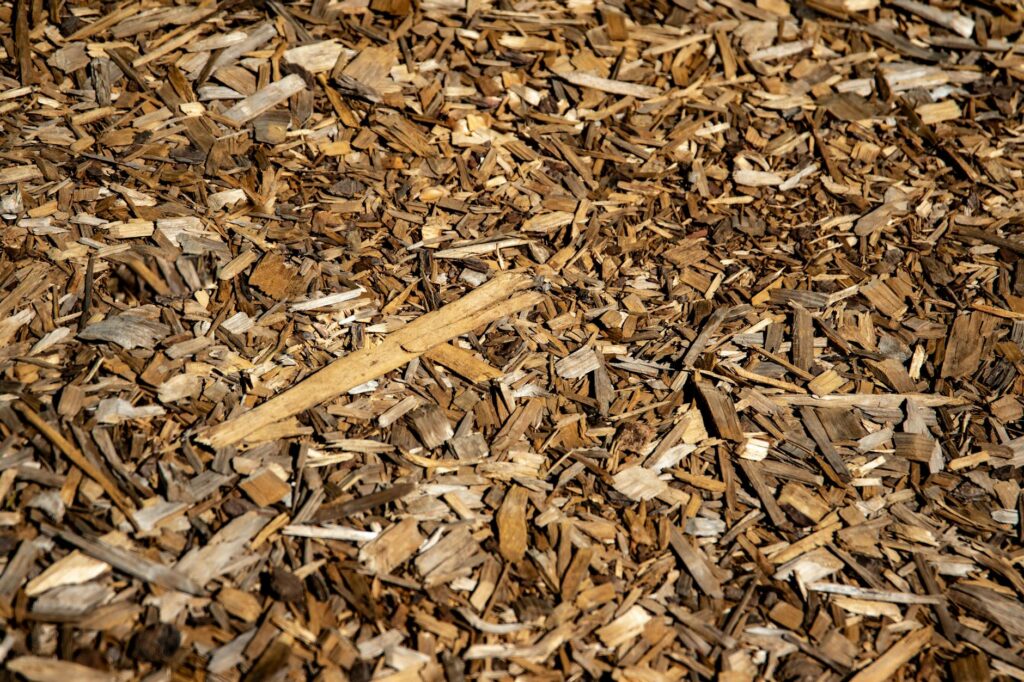
Mulch helps soil retain moisture and protects plant roots, but it also creates the damp conditions earwigs prefer. Many Yukon homeowners notice increased activity around flower beds and landscaping after watering because earwigs attracted to mulch use these sheltered areas to hide during the day.
As earwig populations grow outdoors, they often move closer to the home and eventually get inside through gaps around doors, windows, and foundations. This guide explains why earwigs gather around mulch, what signs point to a larger problem, and how to reduce earwig activity around your Yukon property.
Key Takeaways About Earwigs in Mulch
Earwig season in Yukon, Oklahoma
Earwigs peak when mulch is moist and temperatures are warm. Activity builds in spring as mulch beds are refreshed and runs through October before cold shuts it down. Read it clockwise from January.
- Earwigs are outdoor insects drawn to damp, dark spots, and mulch in garden beds can create the moisture and shelter they prefer.
- These insects feed on a mix of plant matter and other small organisms, so their presence near mulch may lead to nibbled garden plants that can look similar to damage from slugs or snails.
- Reducing excess moisture around your home’s foundation and adjusting how mulch is placed can help make the area less inviting to earwigs.
- Brandley Pest Control covers earwigs under the Pest Maintenance Plan, which includes interior and exterior crack and crevice treatment for ongoing control.
How to Identify Earwigs in Your Mulch
Earwigs are slender, flat-bodied insects recognizable by the pair of pincer-like appendages (cerci) at the tip of their abdomen. Most species you may find around mulch beds are dark brown to reddish-brown and roughly half an inch to an inch long. Their narrow shape lets them slip into tight gaps between mulch pieces, soil, and landscape timbers.
How to Tell Different Earwig Species Apart
Earwigs can sometimes be confused with other small insects that gather in mulch. The distinguishing feature is always the cerci. Beetles found in similar spots lack those rear pincers, and crickets have long hind legs built for jumping. If you part a section of mulch and see a narrow insect with visible pincers scurrying away from the light, you are likely looking at an earwig.
How to Spot Earwig Activity Inside Your Home
Earwigs that move indoors are typically found in rooms where moisture collects. Look along baseboards in bathrooms, laundry areas, and kitchens. You may notice a single earwig or a small cluster near a floor drain or under a sink. Because they prefer darkness, sightings often happen at night or when you move stored items that have been sitting undisturbed.
Where Earwig Activity Shows Up Around Homes
Outdoors, earwig activity tends to concentrate in mulched flower beds and garden borders. When biological mulch is refreshed in spring, it can introduce or shelter various insects. According to UC IPM, reapplying biological mulch using leaves from the same plant genus may harbor adult lace bugs in those layers. That same sheltering quality makes mulch beds a prime spot for earwigs as well.
Check beneath landscape stones, decorative edging, and any biological debris piled near the foundation. These areas hold the cover and conditions earwigs seek.
Exterior Entry Points Earwigs Use
Earwigs typically enter homes through gaps at ground level. Common routes include spaces beneath exterior doors, cracks where siding meets the foundation, and openings around ground-floor utility conduits. Mulch beds that sit directly against the home’s perimeter shorten the distance between outdoor harborage and these entry points.
Inspecting weatherstripping, door sweeps, and foundation-level caulk can help you identify the gaps earwigs may be using to get inside.
What Makes Earwigs Attracted to Mulch
Mulch beds create the exact conditions earwigs need to thrive. Understanding why these pests settle into your landscaping helps you see how outdoor populations can shift closer to your home’s foundation and interior spaces.
Outdoor Nesting Areas for Earwigs Near Mulch
Earwigs are outdoor insects found in damp areas such as in woodpiles, under mulch, dead leaves, or logs. They feed mostly on vegetable matter but will also eat dead and living insects, including their own species. Mulch layers hold moisture and block light, creating the dark, damp refuge earwigs require.
As moisture-loving insects, earwigs seek out damp, dark hiding spots When your garden beds stay consistently moist, earwig populations can build up in that sheltered ground cover.
Food and Shelter That Attract Earwigs to Mulch
Earwigs feed on a variety of vegetables and flowers and are active from late June to October. European earwigs also feed on dead and living organisms, including insects, mites, and growing shoots of plants. Mulch beds near garden plantings provide both shelter and a ready food source in one location.
Without the shade and moisture that irrigated gardens provide, earwigs would have a harder time establishing themselves around your property. Flower beds with regular watering and thick mulch layers are the most appealing.
How Earwigs Move Around Homes
Once earwigs settle into mulch near your foundation, the gap between outdoor habitat and indoor entry shrinks. They gravitate toward any area that offers moisture and darkness, so mulch piled against your home’s perimeter gives them a direct path toward cracks and crevices along the foundation.
Shaded, moist areas near your foundation, including woodpiles, leaf litter, and ground-level debris, can become secondary harborage spots once earwigs begin exploring beyond the garden.
Trails and Entry Points Earwigs Use
Earwigs follow moisture gradients from mulch beds toward your home. Crevices along foundations, gaps beneath boards, and spaces around debris all serve as pathways. Because they need consistent dampness, any route that stays shaded and moist through the day can funnel them indoors.
Keeping mulch pulled back from foundation walls and reducing excess moisture around entry points can limit the trails earwigs rely on to move from your landscaping into your living spaces.
Risks of Earwig Infestations in Mulch
Earwigs that settle into mulch beds near your home can create a few concerns worth understanding. While they are not among the most destructive pests, they can cause confusion in the garden, move toward interior spaces, and become a persistent nuisance if conditions stay favorable.
Health Risks Linked to Earwigs
Earwigs are not associated with direct health threats to people. Most pest professionals classify earwigs as nuisance pests, not a health concern. For most homeowners, the primary concern is the nuisance factor rather than any medical risk. However, finding earwigs indoors can be unsettling, and large numbers near entry points may raise questions about what else might be getting inside your home.
Property Damage From Earwigs
Earwigs are chewing pests that can leave irregular holes and ragged edges on plant tissue. According to UC IPM, damage from earwigs can look similar to feeding by snails, slugs, caterpillars, or other chewing insects. This overlap makes it harder to identify the real source of the problem without closer inspection.
When biological mulch sits directly against your foundation, it creates the kind of sheltered, moist habitat earwigs prefer. Thinning out or removing wood mulch or other biological mulch that is directly adjacent to the foundation can help reduce this risk.
Earwig Activity in Food Areas
Earwigs drawn to mulch near garden beds may move into areas where you grow herbs, vegetables, or ornamental plants. Because their feeding damage can be confused with that of other pests, you may treat the wrong problem if you assume slugs or caterpillars are responsible. Accurate identification of earwig activity is important before deciding on a course of action.
When to Look Closer at Earwig Activity
If you notice irregular chewing damage on plants near mulched beds and cannot find slugs or caterpillars, earwigs may be the cause. Seeing earwigs inside your home on a repeated basis, especially near doors or windows closest to mulch, is another sign that conditions outside are drawing pests closer to your living space.
Keeping biological mulch pulled back from the foundation and monitoring plant damage patterns can help you stay ahead of the issue before earwig numbers build up in those areas.
Professional Pest Control for Earwigs in Mulch
Mulch and ground cover create the kind of damp, sheltered environment that earwigs gravitate toward. When those conditions sit close to your home’s foundation, earwigs can become a recurring nuisance indoors. Managing the landscape around your house is one of the most practical steps you can take, and a professional inspection helps pinpoint exactly where conditions are working against you.
How to Reduce Attractants for Earwigs
Dense vines, ground cover, and weeds around vegetable and flower gardens should be removed, according to UC IPM. These layers hold moisture and give earwigs easy harborage right next to the plants they may feed on. Thinning these areas opens up airflow and reduces the shelter earwigs rely on.
Heavy ground cover such as ivy should never be allowed to grow near vegetable gardens. While mulch can serve a useful role in landscape beds, pairing it with unchecked ground cover creates conditions that favor earwig activity. Keep mulched zones tidy and free of excessive biological buildup.
When mulch or ground cover is used around tree trunks, it can help keep the area free of turf and reduce the need for mowing close to trunks. However, that same ground cover can harbor earwigs if it spreads too far toward garden beds or your home’s perimeter. Keep mulched rings contained to a manageable area.
Why Earwig Control Starts With Inspection
An inspection identifies where moisture, ground cover, and mulch are combining to create favorable conditions for earwigs. Service professionals look at the areas immediately around your foundation, garden beds, and any dense vegetation that may be providing harborage. Spotting these zones early helps focus treatment where it matters most.
Brandley Pest Control’s Pest Maintenance Plan includes an inspection of both interior and exterior areas, covering foundation perimeters, garden beds, and dense vegetation zones. This step is essential because earwig pressure often begins in the landscape before moving indoors. Understanding your yard’s layout guides every recommendation that follows.
What to Expect During Professional Earwig Treatment
Treatment begins with addressing the conditions that draw earwigs in. Brandley Pest Control’s general pest service covers earwigs as part of the standard home pest control plan and includes both interior and exterior crack and crevice treatment. De-webbing is also part of the service package.
Your service professional may recommend clearing vines and weeds from garden borders and trimming back ground cover that has crept too close to the home. These habitat adjustments complement the treatment and help reduce ongoing pressure from earwigs attracted to mulch.
What to Expect From an Earwig Control Plan
The Pest Maintenance Plan from Brandley Pest Control offers flexible scheduling, including quarterly, bi-monthly, and monthly options depending on your home’s square footage and the level of activity. Same-day scheduling is available when you need prompt attention.
Between visits, keeping ground cover managed, vines trimmed back, and mulch layers from becoming overgrown supports the work your service professional does on-site. The plan covers earwigs along with other common household pests such as ants, spiders, crickets, and more under one service.
Managing Earwigs Attracted to Mulch: Bottom Line
Mulch creates the kind of damp, sheltered environment earwigs prefer, which is why thinning or pulling back biological mulch near your foundation is one of the simplest steps you can take. Pairing that with clearing dense ground cover around garden beds helps reduce the conditions that draw earwigs in. If earwigs keep showing up despite your best efforts, Brandley Pest Control can help. Contact us to request a quote and learn how our Pest Maintenance Plan addresses earwigs and other common household pests.
Frequently Asked Questions
Why does mulch attract earwigs?
biological mulch holds moisture and stays cool underneath, giving earwigs the damp, dark conditions they seek. Layers of mulch directly against a home’s foundation can make it easy for earwigs to move from the landscape toward interior entry points.
Should I remove all mulch from my yard?
You do not need to remove every bit of mulch. Thinning out or pulling back biological mulch that sits directly adjacent to your foundation can make a noticeable difference. Keeping mulch a few inches from the foundation reduces the sheltered zone earwigs favor.
What Else can I do around garden beds?
Remove dense vines, ground cover, and weeds near vegetable and flower gardens. Reducing that thick vegetation limits hiding spots and lowers the moisture levels earwigs depend on.
Does Brandley Pest Control treat for earwigs?
Yes. Earwigs are covered under the standard home pest control plan. The Pest Maintenance Plan includes interior and exterior crack and crevice treatment, and same-day scheduling is available for homes across the OKC metro area.