
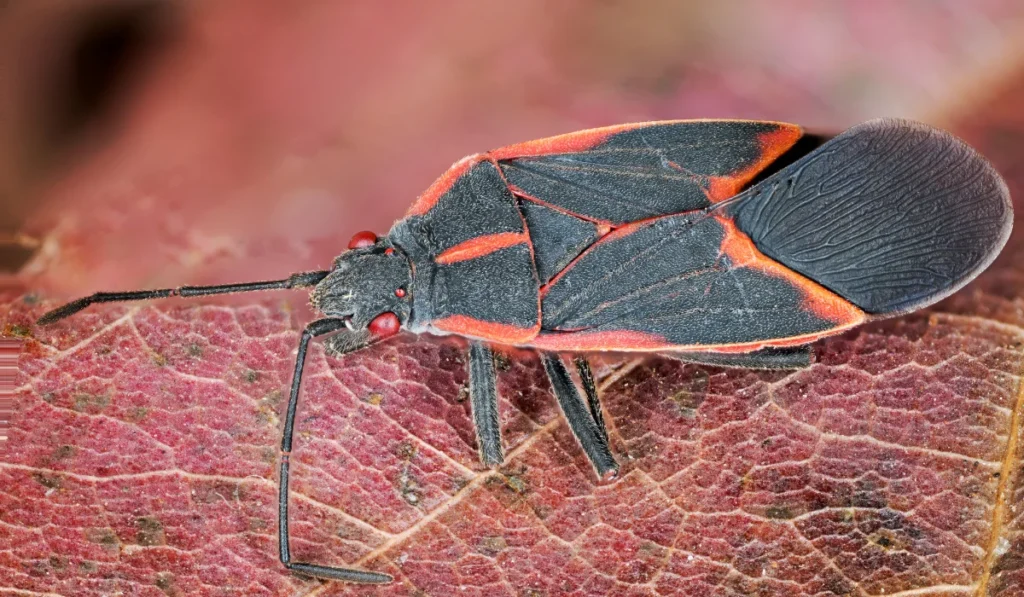
A warm September afternoon can reveal a surprising sight: dozens or even hundreds of black-and-red insects covering one side of your home. A boxelder bug swarm may seem to appear overnight, but these pests have spent the warmer months feeding and developing outdoors. Their sudden arrival on your siding signals a seasonal search for warmth and winter shelter.
The boxelder bug often gathers on south- and west-facing walls because those surfaces absorb sunlight and stay warm later in the day. From there, the insects search for cracks around siding, windows, doors, soffits, and rooflines. Once they find an opening, they may settle inside wall voids, attics, garages, or other protected areas.
Homeowners in Yukon, Mustang, Piedmont, Edmond, and Northwest Oklahoma City often notice this activity as summer gives way to fall. Learning what attracts these pests, where they go next, and how to respond can help you keep a temporary outdoor swarm from becoming a recurring indoor nuisance.
What Does a Boxelder Bug Look Like?
An adult boxelder bug is about one-half inch long and has a narrow, flattened body. Its dark brown or black coloring is broken up by reddish-orange lines along the wings and behind the head. When the wings rest across the back, they create a distinct X-shaped pattern that makes the insect easier to recognize.
Young boxelder bugs, called nymphs, look brighter than adults. They are small, wingless, and mostly red when they first develop. As they mature, their bodies darken and their wings become more noticeable.
Although some homeowners call them boxelder beetles, these insects are true bugs rather than beetles. They use piercing-sucking mouthparts to feed on plant juices, especially around the seeds of boxelder trees. The Oklahoma State University boxelder bug guide reports that Oklahoma populations can produce two generations per year and are most closely associated with female, seed-bearing boxelder trees.
Boxelder Bug vs. Redshouldered Bug
Oklahoma homeowners may mistake boxelder bugs for red-shouldered bugs because both species have dark bodies with red markings. A closer look at the wings and the area behind the head can help you tell them apart.
| Feature | Boxelder Bug | Redshouldered Bug |
|---|---|---|
| Markings behind the head | Three red stripes | Two red stripes |
| Wing markings | Red lines along the wings | No red markings on the wings |
| Common host | Female boxelder trees | Chinaberry and golden rain trees |
| Adult size | About one-half inch | About one-half inch |
Correct identification matters because similar black and red bugs may gather around homes for different reasons. A licensed pest professional can confirm the species when the markings are difficult to see or several types of insects are active around the property.
Why Do Boxelder Bugs Swarm Sunny Walls in September?
Boxelder bugs swarm sunny walls as they prepare to leave their summer feeding areas and find protected places to spend the winter. The wall is not a food source, and the insects are not building a nest in your siding. They are using the warm surface as a temporary gathering area while they look for nearby shelter.
Insects depend on outside temperatures to regulate their activity. On a cooler fall day, a sunlit wall can be much warmer than shaded siding or the surrounding air. Southern and western exposures often attract the largest clusters because they receive strong afternoon sunlight.
The University of Minnesota’s boxelder bug guidance explains that these pests commonly gather on warm, sun-exposed building surfaces before moving into protected spaces. Adults can fly several blocks and may travel as far as two miles, so a home can experience heavy activity even when no boxelder tree grows in the yard.
September is a common starting point for visible clustering, but weather influences the timing. Warm conditions can keep the bugs active outdoors, while cooler nights encourage them to move toward buildings. When many adults respond to the same warm wall and nearby entry points, the siding may become covered within a short period.
What Happens After Boxelder Bugs Reach Your House?
Boxelder bugs begin searching for openings once they gather on the exterior. They may enter through damaged screens, loose siding, worn weather stripping, gaps beneath doors, attic vents, soffits, and openings around pipes or cables. Upper-level gaps deserve attention because these insects can fly directly to rooflines and second-story windows.
Some bugs remain behind siding or inside wall voids throughout the winter. Others reach garages, attics, basements, or living spaces. They do not need a large opening to get inside, which is why a home that looks well sealed from the ground can still have recurring activity.
Only adult boxelder bugs survive the winter. They become less active in their hiding places rather than reproducing indoors. If you find them near windows during a mild winter day, they usually entered during fall and became active when sunlight or indoor heating warmed the wall.
The insects often move toward windows because they are trying to return outdoors. A winter sighting does not mean a new infestation has developed inside the house. It usually points to an exterior opening that allowed the bugs to enter several weeks or months earlier.
Are Boxelder Bugs Harmful to People or Homes?
Boxelder bugs are nuisance pests, not structural pests. They do not eat wood, drywall, insulation, clothing, or stored food. They also do not establish indoor breeding populations, so seeing several bugs near a window does not mean they are multiplying behind the wall.
Their numbers can still make them difficult to ignore. Crushed bugs may release an unpleasant odor and leave reddish marks on curtains, painted walls, carpets, and other light-colored surfaces. Droppings can also create small stains where the insects gather for long periods.
Boxelder bugs do not seek people or feed on blood. According to the National Pest Management Association’s boxelder bug profile, they are not known for causing significant harm, though a bug may occasionally puncture skin when handled. The main concern for most homeowners is the mess and repeated indoor activity rather than physical injury or property damage.
Avoid crushing the bugs when you find them inside. Vacuuming or gently removing them reduces the chance of stains and odor. It also makes it easier to track where they are appearing so you can identify nearby gaps.
How to Get Rid of Boxelder Bugs and Keep Them Out
Boxelder bug control works best before the insects move into walls and attics. Once large numbers settle inside concealed spaces, visible removal will address only the bugs that wander into living areas. Exterior inspection and exclusion provide a better way to reduce future activity.
Start with the sides of the home that receive the most afternoon sun. Look around siding joints, window frames, door trim, vents, utility lines, and roof intersections. These warm surfaces often reveal both the largest clusters and the openings the insects are using.
Before Boxelder Bugs Enter
Repair torn screens and replace weather stripping that no longer seals tightly. Check door sweeps for daylight underneath exterior doors, and seal accessible cracks around windows, pipes, cables, and air-conditioning lines. Loose fascia, separated siding, and gaps near soffits may require professional repair.
Do not limit the inspection to the foundation. Boxelder bugs can reach attic vents, upper windows, and roofline openings, so look at the full exterior when it is safe to do so. A ground-level inspection may miss the main access point.
A nearby female boxelder tree can support a large population, especially when it produces abundant seeds. Removing the tree may reduce one local food source, but it does not guarantee that the bugs will disappear. Adults can arrive from other properties, making structural sealing the more reliable preventive step.
After Boxelder Bugs Get Indoors
Use a vacuum attachment to collect bugs from windows, curtains, ceilings, and floors without crushing them. Empty the vacuum bag or canister outside soon afterward so surviving insects do not crawl back into the room. A handheld vacuum can work well for small, recurring groups.
Indoor foggers and broad treatments do not repair the openings that allowed the pests inside. They may also fail to reach boxelder bugs hidden deep within walls. Dead insects left in inaccessible spaces can provide food for carpet beetles or other scavenging pests.
Pay attention to where indoor bugs keep appearing. Repeated sightings near one window, ceiling edge, or exterior wall can help narrow down the likely entry area. That information gives a pest professional a useful starting point during an inspection.
When Professional Boxelder Bug Control Makes Sense
Professional boxelder bug control may be the right next step when exterior walls become covered each fall or bugs continue entering after basic sealing. Service can also help when activity centers around high rooflines, second-story siding, attic vents, or other areas that are difficult to inspect safely.
A thorough inspection should identify where the insects are gathering, how they are getting inside, and which conditions are contributing to the problem. The treatment plan can then focus on active exterior areas and practical entry-point corrections rather than relying on a one-size-fits-all application.
During a Brandley Pest Control visit, a licensed applicator inspects your property, explains the findings, and recommends a plan based on your home and the level of activity. Follow-up service may be used to monitor results and make adjustments when boxelder bugs continue to appear.
Keep Boxelder Bugs Outside Your Oklahoma Home
A sunny wall covered in boxelder bugs is an early warning that the insects are searching for winter shelter. Confirming the pest, inspecting the warm sides of your home, sealing openings, and vacuuming indoor bugs without crushing them can reduce the immediate problem and limit future sightings.
Recurring swarms often mean the home has entry points that deserve a closer inspection. Brandley Pest Control helps homeowners in Yukon, Mustang, Piedmont, Edmond, and Northwest Oklahoma City understand where pests are coming from and what their property actually needs. To schedule an inspection and discuss the activity around your home, contact Brandley Pest Control.