
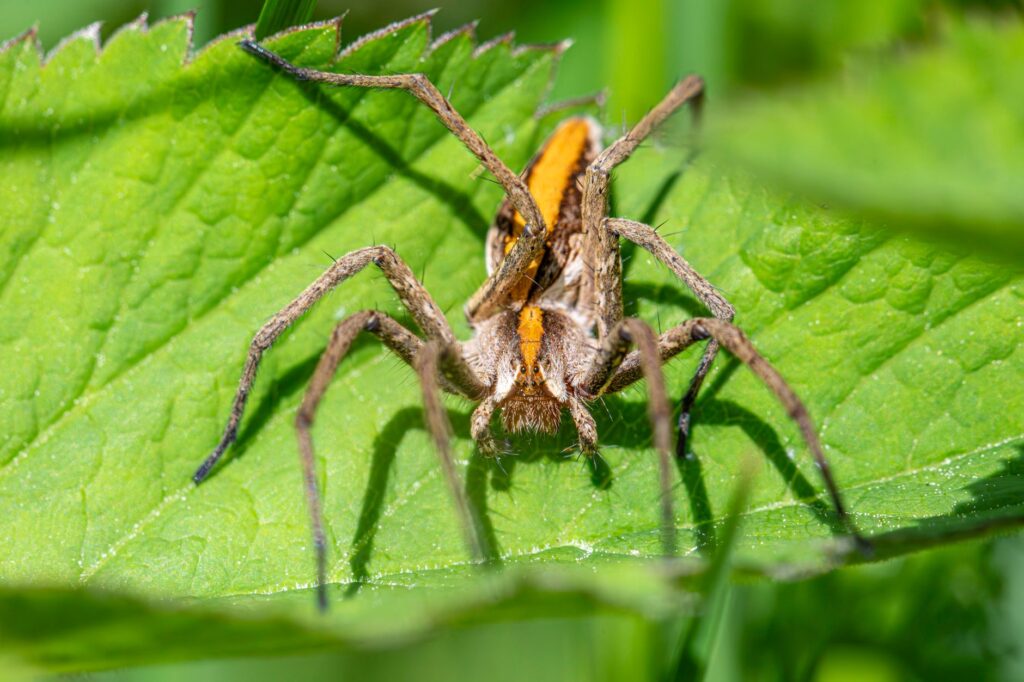
Spiders in Oklahoma can create costly problems when early signs are missed. Learn what to look for, why it matters, and when to call Brandley Pest Control.
Key Takeaways About Oklahoma Spiders
- Oklahoma homeowners may encounter spiders such as brown recluses and black widows, and knowing how to tell them apart from lookalike species can help you respond appropriately.
- Brown recluse spiders tend to stay in dark, undisturbed areas and typically bite only when trapped against skin, so understanding their habits is a practical first step toward reducing risk.
- A whole-home approach that combines insect control, monitoring with glue boards, and sealing entry points can help manage spider activity over time rather than relying on a single treatment.
- Brandley Pest Control’s Pest Maintenance Plan covers spiders as part of standard home pest control, including de-webbing and interior and exterior crack-and-crevice treatment.
How to Identify Oklahoma Spiders
Oklahoma is home to several spider species that you may notice around your property. Telling them apart matters because some, like the brown recluse, deserve extra caution, while others are largely no real threat. Knowing what to look for in terms of body shape, web style, and preferred hiding spots helps you respond appropriately when you spot one.
How to Tell Spider Types Apart in Oklahoma
According to UC IPM, the brown recluse is the common name for a single species, Loxosceles reclusa. Many spiders are misidentified as brown recluses, and Loxosceles species are virtually restricted to their known distributions even though they are perceived to exist throughout the United States. If you suspect you have found one, careful identification is important before assuming the worst.
Southern house spiders are another species often mistaken for brown recluses. Both can appear similar in color and size, so location and behavior clues often matter as much as appearance when narrowing down the species.
The Joro spider stands out from most species you may encounter. According to the University of Georgia pest guide, adult females can reach up to 1¼ inches in body size with long legs, and they build large, spiral, wheel-shaped webs that are sometimes gold-colored. Their size and distinctive webbing make them easier to recognize than many other species.
How to Spot Spider Activity Inside Your Oklahoma Home
Webs are the most obvious sign of spider activity indoors. Different species build different web types, from messy cobwebs in corners to more structured designs. Fresh webbing, especially when it reappears shortly after removal, often points to an active population nearby.
Species like brown recluses and southern house spiders tend to nest in dark, undisturbed storage areas. Closets, garages, attics, and storage rooms are common spots where these spiders settle in. You may also find them behind furniture that rarely gets moved.
Where Spider Activity Shows Up Around Oklahoma Homes
Brown recluse spiders typically live in dark, undisturbed areas such as closets, garages, attics, and storage rooms. Black widow spiders prefer undisturbed areas as well and are found in garage corners, around hot water tanks, and in outdoor spots with humid or damp conditions.
Glue monitors placed in these areas can help you track spider activity and identify which rooms or zones have the most movement. Checking these spots regularly gives you an early indication of whether a spider population is building inside your home.
Exterior Entry Points Spiders Use Around Oklahoma Homes
Spiders can enter your home through gaps, cracks, and openings around doors and windows. Worn or missing door sweeps are a common access point. Any opening that allows other insects inside can also invite spiders, since many species follow their food source indoors.
Gaps around utility penetrations, foundation cracks, and poorly sealed window frames are all worth checking as part of an exterior inspection of gaps, cracks, utility penetrations, and window seals.
Why Spider Problems Develop in Oklahoma
Spiders show up around Oklahoma homes for straightforward reasons: available food, quiet shelter, and easy access indoors. Understanding what draws them in helps you recognize early signs and take practical steps to limit activity around your property.
Outdoor Nesting Areas for Spiders Around Oklahoma Homes
Brown recluse spiders are shy and not naturally aggressive. According to Texas A&M AgriLife Extension, they prefer undisturbed sites such as garages, storage rooms, attics, and closets. Black widows also favor sheltered, low-traffic spots outdoors, especially where damp conditions are present.
Southern house spiders build webs in sheltered corners around homes. These spiders are beneficial because they consume pest species like cockroaches, moths, and flies. Their webs tend to appear in areas that go unnoticed for long stretches.
Food and Shelter That Attract Spiders Around Oklahoma Homes
Spiders follow their food. Brown recluses are insect feeders, so a home with other insects provides a steady food supply. Brown recluses are insect feeders, so a home with other insects provides a steady food supply. Both males and females hunt at night, though females tend to stay closer to their webs. Populations can grow quickly when prey remains plentiful.
Southern house spiders also depend on a diet of pest species such as cockroaches, moths, and flies. Where those insects gather, spiders are more likely to settle in nearby.
How Spiders Move Around Oklahoma Homes
Brown recluse adults are most often spotted during spring months. According to Texas A&M AgriLife Extension, mating season in Oklahoma, Arkansas, and Texas occurs from April through early July. During this period, females may produce up to five egg sacs containing approximately 50 eggs each, which can increase indoor populations over a single season.
Brown recluses are also resilient. A laboratory-kept specimen survived over six months without food or water, and captive specimens proved moderately resistant to pesticides. This durability means they can persist in low-traffic areas of a home for a long time.
Trails and Entry Points Spiders Use in Oklahoma
Spiders enter through gaps, cracks, and worn door sweeps. Once inside, brown recluses seek out dark, undisturbed cover such as closets and storage rooms. Limiting those access points reduces the chance that spiders and their food sources travel deeper into your living space.
Risks From Oklahoma Spiders
Health Risks Linked to Oklahoma Spiders
Brown recluse spiders are the primary health concern for Oklahoma homeowners. These spiders are not aggressive and typically only bite when disturbed by contact. While bites can occur, the spider does not hunt people.
Different recluse species carry different levels of risk. According to UC IPM, the Chilean recluse supposedly has more potent venom than the brown recluse, while the Mediterranean recluse’s venom has been said to be less potent. The brown recluse remains the species Oklahoma residents are most likely to encounter in the home.
Black widow spiders also warrant attention. Awareness of where these spiders tend to settle, including sheltered, humid spots around the home, can help you avoid accidental contact.
Property Damage From Spiders in Oklahoma
Spiders themselves rarely cause structural damage. However, certain species can create nuisance issues on your property. According to the University of Georgia pest guide, a single egg sac can contain hundreds of eggs, which means spider populations around a home may grow quickly if left unchecked.
Persistent webbing on exterior walls, eaves, and entry points can accumulate over time and detract from your home’s appearance. Regular de-webbing, which is part of Brandley Pest Control’s service packages, helps disrupt spider habitat and removes egg sacs before new spiders hatch.
Food Areas and Spider Activity in Oklahoma Homes
Areas of your home where other insects gather can indirectly attract spider activity. Removing the insects spiders eat is a key part of long-term population management, since cutting off the food supply discourages spiders from staying.
Black widows rely heavily on their webs to catch food. Areas with consistent insect traffic, especially around exterior lighting or entry points, may support ongoing web-building and spider activity.
When to Look Closer at Spider Activity in Oklahoma
If you notice recurring webs in the same spots after clearing them, or if you find egg sacs attached to walls or nearby structures, that may indicate an established population. Glue monitors can help track spider activity and identify problem areas inside the home.
Addressing entry points around your home, combined with overall insect control, helps reduce conditions that support spider activity over time.
Professional Pest Control for Spiders in Oklahoma
Managing spiders in Oklahoma often requires more than a single treatment. According to UC IPM, researchers documented nine brown recluse spiders under a single piece of plywood in Oklahoma and dozens more in similar settings across neighboring states. That kind of buildup means a thorough, multi-step approach is usually the best path forward.
How to Reduce Attractants for Spiders in Oklahoma
According to Mississippi State University Extension, anything you do to exclude insects from your home will also help reduce spider populations. Limiting the food supply is one of the most practical steps you can take on your own.
Brandley Pest Control’s Pest Maintenance Plan (PMP) focuses on overall insect control first. By maintaining an insect-free environment, the food source for spiders is removed and their population can decline on its own over time. For black widows, regular web removal is also important because these spiders rely heavily on their webs to catch food.
Some spiders may be misidentified. Certain long-legged, slender-bodied species are light brown and often mistaken for brown recluses. Proper identification helps you understand what you are dealing with before choosing a course of action.
Why Spider Control in Oklahoma Starts With Inspection
Because brown recluses favor hidden, low-traffic spaces, a careful inspection is essential. Brandley’s service professionals place glue monitors to track spider activity and pinpoint problem areas throughout the home.
Inspection also covers entry points. Brandley’s team checks door sweeps, gaps, and cracks that may allow spiders and insects to move in and out. Identifying these access points early helps guide the rest of the treatment plan.
What to Expect During Professional Spider Treatment in Oklahoma
Brown recluse spiders are difficult to kill with most standard products, as noted by Texas A&M AgriLife Extension. That is why Brandley focuses on a whole-home strategy rather than relying on a single application.
Treatment includes targeted insect control to cut off the spider’s food supply. The team also performs de-webbing to remove webs and egg sacs, which is especially important for black widow control both inside and outside the home.
For black widows in particular, brushing down undisturbed areas such as garage corners and spaces near hot water tanks disrupts their habitat and makes those spots less appealing for return.
What to Expect From an Oklahoma Spider Control Plan
Brandley’s PMP packages include communication and inspection, interior and exterior crack and crevice treatment, de-webbing, and wasp nest removal. Plans are available at several service frequencies, from quarterly to monthly, based on your home’s square footage and needs.
This strategic approach combines ongoing insect control, glue-monitor tracking, and entry-point improvements to manage brown recluse and black widow activity over time. The goal is consistent pressure on spider populations rather than a one-time visit. Add-on options such as attic dusting or crawl space dusting are also available for homes that need coverage in harder-to-reach areas.
Bottom Line on Spiders in Oklahoma
Oklahoma homeowners may encounter brown recluses and black widows alongside harmless species like southern house spiders. Knowing which spiders pose a concern and which are beneficial can help you respond appropriately. Because brown recluse infestations can be difficult to manage on your own, a combination approach that includes insect control, monitoring with glue boards, and entry-point improvements tends to produce the best long-term results.
If you’re seeing spider activity in your home, contact Brandley Pest Control to schedule an inspection and get a plan tailored to your situation.
Frequently Asked Questions About Spiders in Oklahoma
Are most spiders in my home dangerous?
Most spiders you find indoors are not dangerous. Species like the southern house spider are no real threat and actually help by consuming pest insects. The two species that warrant caution are the brown recluse and the black widow, both of which prefer to stay hidden and typically avoid people.
Why do I keep seeing spiders even after cleaning?
Spiders follow their food source. A spider presence often signals an underlying insect issue. Reducing the insects in your home through crack-and-crevice treatment and exclusion work can help make the space less attractive to spiders over time.
What does a professional spider treatment involve?
Brandley Pest Control focuses on overall insect control first, removing the food source that sustains spiders. The process also includes placing glue monitors to track activity, inspecting door sweeps and gaps, brushing down webs and egg sacs, and addressing entry points. This whole-home approach targets the conditions that support spider populations rather than relying on a single treatment.
How can I reduce spiders around the outside of my house?
For black widows especially, disturbing webs reduces their ability to catch food and makes the area less appealing. Keeping exterior lights managed and sealing gaps around doors and windows can also limit the insects that draw spiders close to your home.