
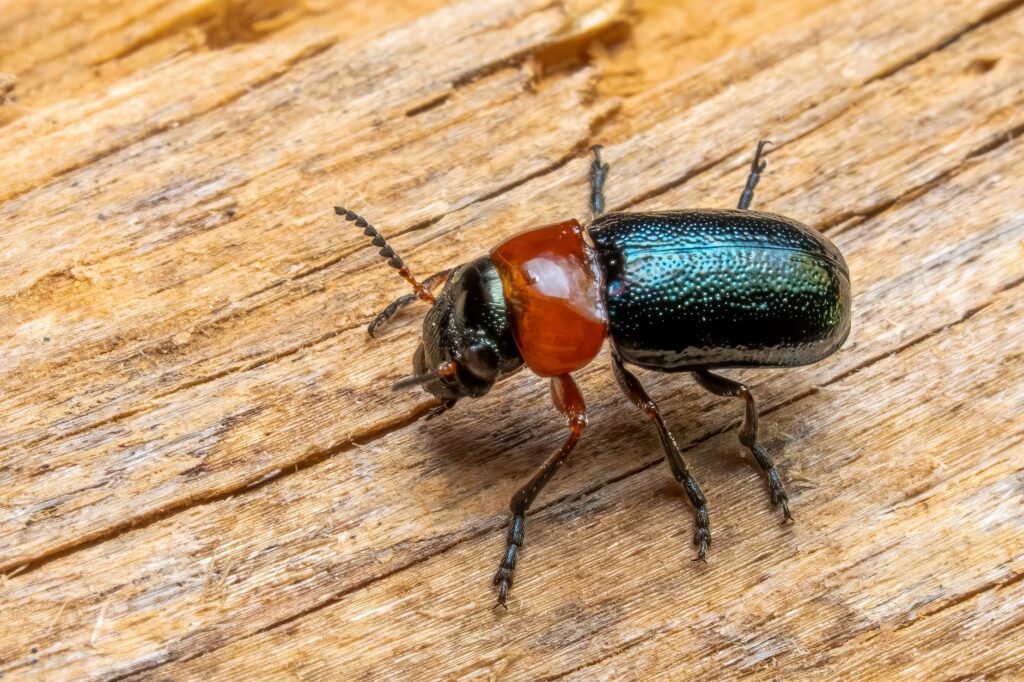
Beetles in Oklahoma can create costly problems when early signs are missed. Learn what to look for, why it matters, and when to call Brandley Pest Control.
Key Takeaways About Oklahoma Beetles
- Oklahoma is home to a wide range of beetle species, from pantry pests like flour beetles to fabric feeders like carpet beetles, so accurate identification is the first step toward the right response.
- Beetles can show up in stored food, around fabrics and rugs, or near firewood, and not every small beetle found indoors is necessarily a pantry pest, making proper identification important.
- Brandley Pest Control starts each beetle service with an inspection to identify the species and activity areas, then applies targeted interior and exterior treatments focused on cracks, crevices, and entry points.
- Ongoing pest control plans are available to help keep beetles from returning, with services customized to the type of beetle and level of activity in your home.
How to Identify Oklahoma Beetles
Oklahoma homes can attract several beetle species, and telling them apart is the first step toward addressing the problem. Because many beetle species look similar to one another, paying attention to size, color, shape, and where you find them helps narrow down what you are dealing with.
How to Tell Beetle Types Apart in Oklahoma
Stored-food beetles are among the most common indoor species. Confused flour beetles and red flour beetles are similar species with shiny, flattened, reddish-brown bodies about 1/7-inch long, according to Oregon State University Solve Pest Problems. Cigarette beetles and drugstore beetles are also similar species, but they are slightly smaller at about 1/8-inch long, oval-shaped, and light brown.
Carpet beetles are roughly 1/10-inch long and mottled white, brown, and dark yellow. Hide beetles are larger, about 1/4 to 3/8 inch long and dark brown to black. Though both belong to the family Dermestidae, they differ significantly in size and appearance. Carpet beetles are mottled white, brown, and dark yellow, while hide beetles are brown. Outdoors, there are numerous flea beetle species, and larger species of leaf beetles may drop from foliage when disturbed.
How to Spot Beetle Activity Inside Your Oklahoma Home
Stored-food beetles tend to show up in pantries and cabinets. Adult confused flour beetles and red flour beetles damage stored food, so finding small reddish-brown beetles near grain products is a strong sign. Larvae and adults of cigarette beetles and drugstore beetles also damage stored food, so look for tiny light-brown beetles or larvae in dried goods.
Carpet beetles and hide beetles are more likely to appear near fabrics or natural-fiber items. Because they are only about 1/10-inch long, you may notice shed larval skins before spotting the beetles themselves.
Where Beetle Activity Shows Up Around Oklahoma Homes
Outdoors, the species of tree affected and the location of damage on the tree can help identify the bark beetle species present. Trees with bore holes, sawdust-like frass, or dying branches may point to bark beetle activity. Leaf beetles may be found on garden plants and landscape foliage.
The Asian longhorned beetle is an invasive species that has been found in quarantined areas of the northeastern and midwestern United States, where USDA eradication programs are actively working to remove it. Oklahoma homeowners should be aware of this species, as early detection is critical to preventing its spread., according to UC IPM. Awareness of this species can help Oklahoma homeowners stay alert to unfamiliar beetle damage on trees.
Exterior Entry Points Beetles Use Around Oklahoma Homes
Beetles often find their way inside through cracks, crevices, and gaps around the home. Brandley Pest Control addresses those vulnerabilities during every inspection, identifying the species involved, determining where they are entering, and guiding the right approach for your situation.
Why Beetle Problems Develop in Oklahoma
Beetles can show up in Oklahoma homes for different reasons depending on the species involved. Some are drawn to stored food in your pantry, while others target wood with high moisture content. Understanding what attracts them and how they get inside helps you recognize problems early.
Outdoor Nesting Areas for Beetles Around Oklahoma Homes
Certain beetle species thrive in damp conditions near your home’s foundation. According to the University of Georgia pest guide, anobiid powderpost beetles most commonly infest wood with high moisture content, typically in crawlspaces that lack a vapor barrier or have poor ventilation. These sheltered, humid areas give beetles a place to develop before making their way into your living space.
True powderpost beetles may already be present in hardwood materials before they are brought indoors. Adults typically emerge within a year or two of that wood being introduced into the home.
Food and Shelter That Attract Beetles Around Oklahoma Homes
Stored food is a major draw. Most stored food insects are either beetles or moths, and several beetle species commonly attack a variety of foods. The warehouse beetle, sawtoothed grain beetle, red flour beetle, and cigarette beetle are among those that target pantry items.
Red flour beetles are common in homes, while sawtoothed grain beetles are one of the most common stored-product pests in the United States. Sawtoothed grain beetles can be long-lived, which means a small population in your pantry may persist for an extended time if the food source remains available.
How Beetles Move Around Oklahoma Homes
Not all beetles travel the same way. Sawtoothed grain beetles rarely fly and mostly crawl, so they tend to spread slowly from one food package to the next within your kitchen or storage areas. Wood-boring species, on the other hand, may already be inside lumber or flooring when it arrives at your home.
Active powderpost beetle infestations can be identified by frass streaming from or accumulating around round exit holes in wood. These exit holes range from 1/16 to 3/16 inch in diameter.
Trails and Entry Points Beetles Use in Oklahoma
Beetles reach the interior of your home through cracks, crevices, and gaps. Stored-product beetles may also arrive inside packaged goods you bring home from the store. Once indoors, they spread to nearby food sources or suitable wood.
Crawlspaces with poor ventilation or no vapor barrier create conditions that invite moisture-loving species deeper into a structure. Addressing these vulnerable spots can make a meaningful difference in reducing beetle access.
Risks From Oklahoma Beetles
Not every beetle you find in your Oklahoma home is no real threat. Some species target structural wood, others damage household fabrics, and a few can go unnoticed for years while causing ongoing problems. Understanding the risks different beetles pose helps you decide when a closer look is worth your time.
Health Risks Linked to Oklahoma Beetles
Most beetles found in Oklahoma homes are not associated with bites or stings. However, carpet beetles can leave behind shed larval skins that mix with lint and dust beneath rugs and in similar areas. For some people, prolonged contact with these shed skins may be a nuisance in living spaces, so keeping an eye on lint buildup around rug edges is a practical step.
Property Damage From Beetles in Oklahoma
Wood-boring beetles present the most notable property risk. The broad-diet anobiid powderpost beetle, according to the University of Georgia pest guide, is the most common wood-eating beetle in crawlspace wood. These reddish-brown to dark-brown beetles are roughly 1/4 inch long, and their larvae bore into wood for one to three years before emerging. Untreated infestations can worsen over multiple generations.
The old house borer is the only longhorned beetle (Cerambycidae) commonly known to reinfest seasoned structural lumber in buildings, making it a notable concern when infested wood is used in construction. That means structural wood in your home may already carry an infestation before the first wall goes up.
Ambrosia beetles burrow into wet, newly cut wood to create galleries, but the adults and larvae do not actually eat the wood itself. These problems typically disappear once the wood dries out.
Food Areas and Beetle Activity in Oklahoma Homes
Carpet beetles are more likely to be found in lint swept from beneath the edges of rugs or similar places than out in the open. Regular vacuuming in these overlooked spots can help you catch activity early and reduce the buildup of debris they leave behind.
When to Look Closer at Beetle Activity in Oklahoma
Because anobiid powderpost beetle larvae can feed inside wood for years before emerging, damage may be well underway before you notice any signs. If you spot small beetles near crawlspace wood or notice unexplained wood debris, a professional inspection can identify the species and determine the scope of the issue.
With old house borers, the concern is that lumber may arrive already infested. If you live in a newer-construction home and find wood-boring beetle activity, that history is important context for any inspection. Early identification helps you understand what you are dealing with and what steps may be appropriate.
Professional Pest Control for Beetles in Oklahoma
Oklahoma homeowners may encounter a wide range of beetle species, from carpet beetles that damage household goods to stored-product beetles found in kitchens. Most lady beetles are beneficial because they eat aphids, whiteflies, small caterpillars, and other insect pests. However, when beetles move indoors and cause problems, a professional approach helps you identify the species and target the right areas.
How to Reduce Attractants for Beetles in Oklahoma
One of the most practical steps you can take is removing the food sources and conditions that draw beetles inside. If you find beetles crawling around your kitchen, look for infested stored food and remove it right away. Discarding compromised packages cuts off the food supply that keeps these pests active indoors.
For wood-boring beetles in the Cerambycidae and Buprestidae families, according to the University of Georgia pest guide, these species infest wood soon after a tree is felled but cannot infest seasoned, processed lumber or debarked trees. Keeping firewood stored away from your home and promptly removing freshly cut wood from your property can reduce the chances of an encounter.
Sealing cracks and gaps around doors, windows, and your foundation also limits entry points. Reducing outdoor lighting near doorways may help, since some beetle species are drawn to lights at night.
Why Beetle Control in Oklahoma Starts With Inspection
Not every beetle you see indoors is a pest. The two species most common in homes are the varied carpet beetle (Anthrenus verbasci) and the black carpet beetle (Attagenus unicolor), but there are several other species that may appear. Proper identification matters because treatment depends on the type of beetle and its activity areas.
At Brandley Pest Control, we start with an inspection to identify the beetle and determine where it is coming from. We also assess conditions that may be contributing to the problem. This step ensures the treatment plan fits your situation rather than relying on a one-size-fits-all approach.
What to Expect During Professional Beetle Treatment in Oklahoma
After inspection, Brandley Pest Control applies targeted treatments inside and outside the home, focusing on cracks, crevices, and entry points. Services are customized based on the type of beetle and the level of activity found during the inspection.
Most beetle treatments are completed during a single service visit. Activity levels usually decrease over time as the treatment works. In some cases, follow-up visits may be needed for full control. All pest services from Brandley come with a client satisfaction guarantee.
What to Expect From a Oklahoma Beetle Control Plan
Brandley Pest Control provides interior and exterior beetle treatments, crack and crevice applications, and ongoing pest control plans to help prevent beetles from returning. The Pest Maintenance Plan covers inside and outside crack and crevice treatment and includes a range of common household pests alongside beetles.
The cost of beetle control depends on the size of your home and the severity of the issue. After an inspection, Brandley provides clear pricing and service options tailored to your specific needs. Same-day scheduling is available for homeowners in the OKC metro, including Yukon, Edmond, Bethany, and Piedmont.
Bottom Line on Beetles in Oklahoma
Oklahoma homeowners may encounter a range of beetle types, from carpet beetles and stored-product beetles indoors to wood-boring species and beneficial lady beetles outdoors. Identifying the specific beetle is the first step toward understanding whether it poses a concern. Many beetles are no real threat or even helpful, while others can damage fabrics, stored food, or wood. If you are seeing beetles in or around your home, contact Brandley Pest Control to schedule an inspection and get a service plan tailored to your situation.
Frequently Asked Questions About Beetles in Oklahoma
How Do I Know Which Type of Beetle Is in My Home?
Beetle species vary widely in size, shape, and color. Where you find them often helps narrow down the type. Beetles near rugs or lint may be carpet beetles, while those near food storage could be pantry pests. A professional inspection can confirm the species and guide the right approach.
Are Beetles Harmful to My Home?
It depends on the species. Some beetles can damage fabrics, stored food, or wood, while many others pose no risk to your property. Certain wood-boring beetles, for example, may leave small exit holes and frass in wood. Proper identification helps determine whether treatment is needed.
What Does Beetle Treatment Include?
Brandley Pest Control provides interior and exterior treatments, including crack and crevice applications. The service is customized based on the beetle type and activity level. Most treatments are completed in a single visit, though follow-up visits may be needed in some cases for full control.
Can I Prevent Beetles from Coming Back?
Reducing conditions that attract beetles is a good starting point. This includes sealing entry points and removing sources of beetle activity. Brandley Pest Control offers ongoing pest control plans designed to help keep beetles from returning. All pest services come with a client satisfaction guarantee.