
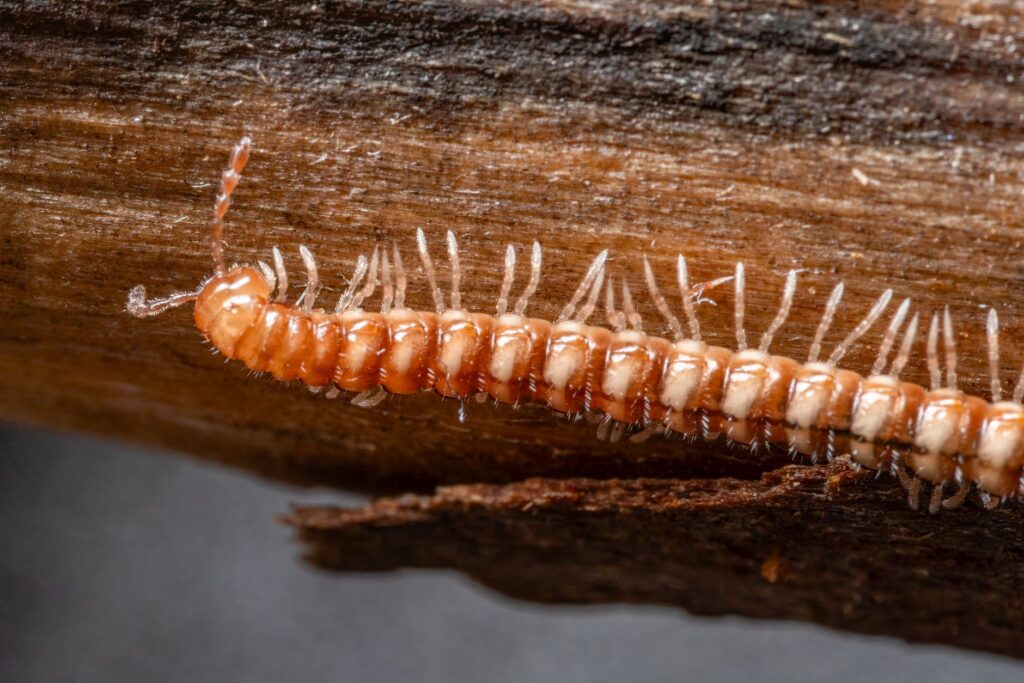
Millipedes in Oklahoma can cause costly problems when early signs are missed. Learn the signs, risks, and when to call Brandley Pest Control.
Key Takeaways About Oklahoma Millipedes
- Millipedes are multi-segmented arthropods that differ from insects and centipedes in body structure and leg arrangement, making correct identification an important first step.
- These pests do not bite and generally feed on decaying plant material, so the main concern for Oklahoma homeowners is nuisance entry rather than structural or health risks.
- Reducing biological debris near your home’s foundation and sealing entry points can help limit indoor millipede activity.
- Brandley Pest Control covers millipedes under the standard Pest Maintenance Plan, which includes interior and exterior crack and crevice treatment.
How to Identify Oklahoma Millipedes
If you have found a many-legged creature curled up on your garage floor or crawling along a basement wall, knowing what to look for helps you figure out whether you are dealing with a millipede or something else entirely. The key is in the body and legs.
How to Tell Millipede Types Apart in Oklahoma
Millipedes stand out from insects because of their body structure. According to UC IPM, insects have three clearly defined body sections and three pairs of legs, while millipedes have numerous body segments and numerous legs. That high leg count is the quickest visual clue.
The easiest way to confirm you are looking at a millipede rather than a centipede is to count the legs on a single body segment. Millipedes carry two pairs of legs per body segment. Centipedes, by contrast, are elongated and flattened, with only one pair of legs per body segment.
How to Spot Millipede Activity Inside Your Oklahoma Home
Indoors, you may notice millipedes in areas with higher moisture. They tend to move slowly and are often found resting in one spot rather than running quickly. Finding one or two inside does not always mean a large population is present, but it is worth checking nearby entry points.
Look along baseboards, in bathrooms, and in laundry rooms. Their elongated bodies make them relatively easy to spot against flat surfaces like tile or concrete.
Where Millipede Activity Shows Up Around Oklahoma Homes
Outdoors, millipedes are commonly found in damp spots around the perimeter of your home. Mulch beds, leaf litter, and areas where moisture collects near the foundation are typical places to check.
Because they prefer moist conditions, you may see more activity after rain or when irrigation keeps the soil near your home consistently wet.
Exterior Entry Points Millipedes Use Around Oklahoma Homes
Millipedes can work their way indoors through small gaps. Foundation cracks, gaps beneath doors, and openings around ground-level utility penetrations are common pathways. Their elongated body shape allows them to squeeze through tight spaces that might seem too narrow at first glance.
Checking these entry points around your home is one of the first steps toward understanding where millipede activity originates and how they are getting inside.
Why Millipede Problems Develop in Oklahoma
Millipedes tend to show up around Oklahoma homes when outdoor habitats offer plenty of moisture and hiding spots. Understanding what draws them in can help you recognize the conditions that lead to indoor sightings.
Outdoor Nesting Areas for Millipedes Around Oklahoma Homes
During the day, millipedes hide in dark cracks and crevices. Yards with dense ground cover, stacked debris, or shaded soil create the kind of sheltered habitats these creatures prefer. They stay tucked away until nightfall, when they come out to search for food.
Food and Shelter That Attract Millipedes Around Oklahoma Homes
Millipedes are drawn to habitats where moisture and decaying biological matter are present. Damp spots under porches, along foundation walls, or near drainage areas often provide both the moisture and the food sources that keep millipede populations nearby.
How Millipedes Move Around Oklahoma Homes
Millipedes are primarily nocturnal. They emerge at night to feed, then retreat to dark, tight spaces during the day. Indoors, they may turn up in damp areas of basements, closets, or bathrooms. If your home has moisture issues in these rooms, those conditions can draw millipedes deeper inside.
When disturbed, millipedes don’t bite. However, according to UC IPM, some species exude a defensive liquid that can irritate skin or burn the eyes, so it is worth handling them carefully.
Trails and Entry Points Millipedes Use in Oklahoma
Millipedes follow dark cracks and crevices along foundations, door frames, and ground-level gaps. These pathways connect their outdoor habitats to the interior spaces where moisture is present. Homes in areas like Yukon, Edmond, Oklahoma City, and Bethany can see millipedes move indoors through these same types of openings when outdoor conditions change.
Reducing the damp, sheltered habitats around your home’s perimeter is one of the most practical steps for limiting millipede entry.
Risks From Oklahoma Millipedes
Millipedes are primarily a nuisance pest in Oklahoma homes. They do not pose a serious health or structural concern for most homeowners, but understanding what they can and cannot do helps you respond with the right level of attention when they show up indoors.
Health Risks Linked to Oklahoma Millipedes
Millipedes do not bite. Their jaws are soft and not built to break through skin. According to Texas A&M AgriLife Extension, some species can emit noxious defensive secretions that may stain skin and even cause blistering on contact. If you handle a millipede and notice skin irritation, wash the area with soap and water and avoid touching your eyes.
Millipedes are sometimes confused with centipedes, which are a separate pest entirely. Some large centipede species, when provoked, can deliver a painful bite that may cause localized swelling, discoloration, and numbness. Knowing which pest you are dealing with matters for understanding your actual risk.
Property Damage From Millipedes in Oklahoma
Millipedes are not a structural pest. Their soft jaws restrict most species to feeding on soft, dead plant material. They do not chew wood, fabric, or stored goods inside your home. Only a few species, like the greenhouse millipede, can damage soft plant tissues on emerging garden plants. For the vast majority of Oklahoma homeowners, millipedes pose no property damage risk indoors.
Indoor environments are too dry for millipedes. Their thin skin causes them to desiccate and die within hours after entering a home. This means that large numbers of dead millipedes can accumulate near entry points, creating a cleanup nuisance rather than an ongoing infestation.
Food Areas and Millipede Activity in Oklahoma Homes
Millipedes do not feed on human food, pet food, or pantry items. If you find millipedes near a kitchen or bathroom, they likely wandered in while searching for moisture, not food.
Their presence in food-prep areas is still unwelcome. Sweeping up dead or dying millipedes and addressing moisture around entry points can keep these spaces clean.
When to Look Closer at Millipede Activity in Oklahoma
A few millipedes near an exterior door may not warrant concern. However, finding large numbers indoors suggests conditions outside your home are pushing them in, often excess moisture in mulch beds or leaf litter near the foundation. Outdoors, millipedes can live five to seven years in soil, so a well-established population nearby may lead to repeated indoor intrusions.
If you are also seeing centipedes alongside millipedes, proper identification is important. The two pests look similar but carry different risks, and a service professional can help you tell them apart and address the right conditions around your home.
Professional Pest Control for Millipedes in Oklahoma
Millipedes are no real threat to people, pets, and plants, but they can become a nuisance when they show up in large, persistent numbers. A combination of habitat changes, exclusion, and professional support can help reduce indoor encounters.
How to Reduce Attractants for Millipedes in Oklahoma
Millipedes feed on decaying biological matter such as leaf litter, grass thatch, and flower bed mulch. Because they depend on this material for food and moisture, reducing it near your foundation is one of the most practical steps you can take. According to Mississippi State University Extension, cultural practices that minimize mulch, leaf litter, and grass thatch around the house can make a real difference.
Keep these biological layers thin and well maintained. Outdoors, millipedes typically live in moist leaf litter, under logs, and under the bark of decaying stumps. Fewer prey species near the home can also reduce the overall pest activity that sometimes accompanies millipede populations.
Why Millipede Control in Oklahoma Starts With Inspection
Before any treatment takes place, a thorough inspection helps identify where millipedes are entering and what conditions are supporting them. Service professionals look for moisture-heavy zones close to the foundation, concentrations of biological debris, and potential entry points along the base of the structure.
Sealing behind baseboards and in cracks and crevices helps block pathways that pests use to move indoors. These gaps are often overlooked during routine home maintenance, and an inspection can reveal exactly where attention is needed.
What to Expect During Professional Millipede Treatment in Oklahoma
Brandley Pest Control’s Pest Maintenance Plan includes both interior and exterior crack and crevice treatment. This approach targets the transition zones where millipedes move from outdoor habitats into your living space. The plan also covers de-webbing and addresses other pests included in the standard home pest control service.
Millipedes are part of the standard pest control plan alongside crickets, spiders, earwigs, silverfish, ants, centipedes, scorpions, beetles, pillbugs, and wasps. Addressing multiple pests under a single plan means your home receives consistent coverage rather than one-time spot treatments.
What to Expect From a Oklahoma Millipede Control Plan
The Pest Maintenance Plan is structured around your home’s square footage, with service frequencies ranging from semi-annual to monthly visits. Each visit includes communication, inspection, and interior and exterior treatment. Same-day scheduling is available when you need prompt attention.
For homes with crawl spaces or attics where moisture and biological debris can accumulate, Brandley offers add-on attic dust or crawl space dusting services. These can supplement your standard plan and address areas that may harbor millipedes or other moisture-loving pests.
Because millipedes thrive in damp biological matter close to structures, ongoing maintenance paired with habitat adjustments gives you a practical, layered approach to keeping numbers down inside your home.
Bottom Line on Millipedes in Oklahoma
Millipedes are nuisance pests that feed on decaying biological matter and tend to gather in moist areas around homes. They do not bite, and they pose no direct threat to people, pets, or most plants. However, they can become a real annoyance when they show up in large, persistent numbers. Keeping biological debris managed around your foundation, reducing excess moisture, and sealing entry points are the core steps for limiting indoor encounters.
When millipede activity around your Oklahoma home gets out of hand, contact Brandley Pest Control to request a quote and get same-day scheduling.
Frequently Asked Questions About Millipedes in Oklahoma
Are Millipedes Harmful to People or Pets?
Millipedes are no real threat to people and pets. Their jaws are soft, and they do not bite. While they can be a nuisance when they appear in large numbers, they are not a health concern for your household.
What Attracts Millipedes to My Home?
Millipedes are drawn to moisture and decaying biological matter. Around homes, they feed on materials like leaf litter, grass thatch, and flower bed mulch. Yards with heavy biological buildup near the foundation tend to encourage activity.
How Can I Reduce Millipede Numbers Around My Property?
Focus on reducing the conditions that attract them. Keep mulch, leaf litter, and grass thatch thin near your house. Addressing excess moisture around the foundation and sealing cracks and gaps where they may enter are also practical steps to limit indoor encounters.
Does Brandley Pest Control Treat for Millipedes?
Yes. Millipedes are covered under Brandley Pest Control’s standard home pest control plan, the Pest Maintenance Plan. This plan includes interior and exterior crack and crevice treatment, communication, and inspection. Brandley serves Yukon, Piedmont, Edmond, Mustang, El Reno, Nichols Hills, Oklahoma City, Bethany, and Moore.