
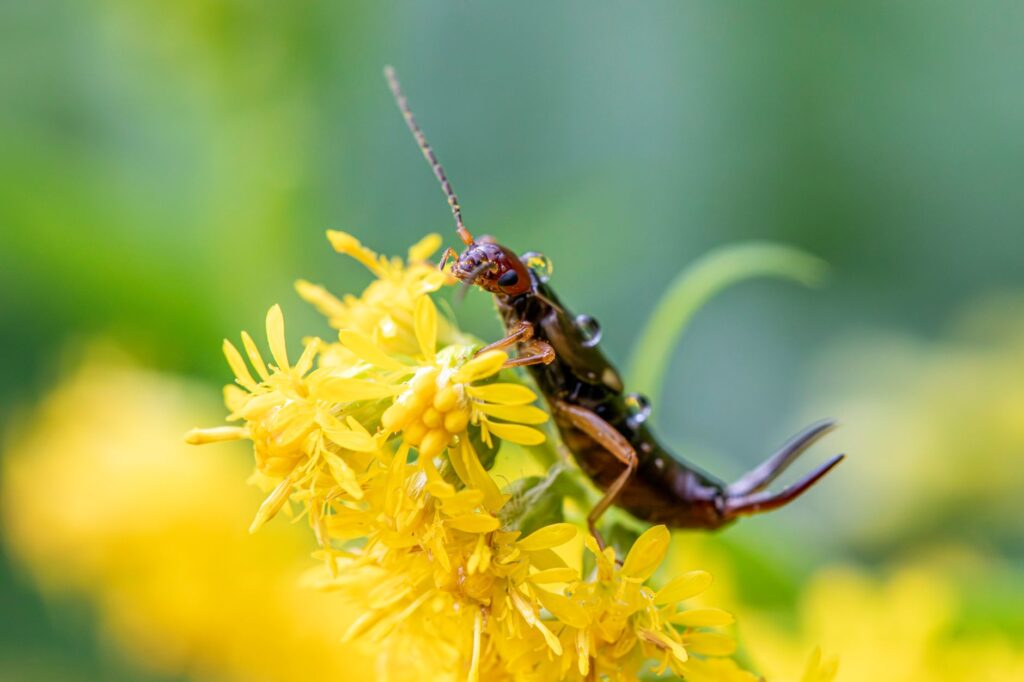
Earwigs in Oklahoma can create costly problems when early signs are missed. Learn what to look for, why it matters, and when to call Brandley Pest Control.
Key Takeaways About Oklahoma Earwigs
- Earwigs are insects that may find their way into your house through gaps around doors and other openings, so sealing cracks and crevices can help keep them out.
- These bugs are not known to pose a direct health risk to Oklahoma homeowners, but an earwig problem indoors can be a nuisance worth addressing.
- Reducing moisture and removing hiding spots around your home are practical first steps for limiting earwig activity.
- Brandley Pest Control covers earwigs under the standard home pest control plan, with interior and exterior service options available across the OKC metro area.
How to Identify Oklahoma Earwigs
Earwigs are easy to overlook until you find them in numbers. Their flat, elongated bodies and distinctive pincers (cerci) at the rear make them recognizable once you know what to look for. If you have spotted one in your Oklahoma home, a closer look at the area can help you understand how many you are dealing with and where they are coming in.
How to Tell Earwig Types Apart in Oklahoma
Most earwigs you encounter around Oklahoma homes share a similar body plan: Remove or replace with a general reference to their elongated body and rear pincers, or add a supporting source for the morphological details.. Remove this sentence or source it to a university extension reference on earwig identification. Remove the size claim or add a supporting citation from an authoritative entomology source. Remove this sentence or cite a verified entomological source.
How to Spot Earwig Activity Inside Your Oklahoma Home
Remove or cite to a university extension earwig fact sheet that documents nocturnal activity. Inside your home, you may notice them in areas that hold moisture or stay dark. According to Mississippi State University Extension, closets and storage areas are common hiding spots for pests that prefer sheltered, low-traffic spaces. Baseboards, cracks, and crevices throughout bathrooms, laundry rooms, and kitchens are typical places to check.
You might also find earwigs near baseboards or inside void areas behind walls. Remove the Purdue Extension E-261 citation entirely. If the point about earwigs hiding in cracks and crevices is needed, cite NC State Extension‘s earwig publication (content.ces.ncsu.edu/earwigs), which states that earwigs hide along baseboards, beneath cabinets, and in other floor-level hiding places. Earwigs follow similar patterns, seeking out tight gaps where they can stay hidden and undisturbed during daylight hours.
Where Earwig Activity Shows Up Around Oklahoma Homes
Outdoors, earwigs gather wherever they find cover and moisture. Wood piles, brush, and rock piles near your house can serve as harborage areas that support earwig populations. These stacked materials create the dark, damp conditions earwigs prefer, and proximity to your foundation makes indoor entry more likely.
Mulch beds, landscape timbers, and areas beneath potted plants or garden debris are other spots where earwigs may congregate. If you notice earwigs outdoors in large numbers, they are likely finding favorable conditions close to your home’s exterior walls.
Exterior Entry Points Earwigs Use Around Oklahoma Homes
Earwigs move indoors through small gaps in your home’s exterior. As the University of Tennessee Extension recommends, screening doors, windows, and vents, and repairing any holes or tears, can help limit pest entry. Earwigs can squeeze through tight openings, so even small cracks around door frames, window casings, and foundation joints deserve attention.
Gaps around utility penetrations, weep holes, and damaged weatherstripping are additional entry routes. Reducing harborage by removing wood, brush, and rock piles near the house also limits the number of earwigs staging close enough to find their way inside.
Why Earwig Problems Develop in Oklahoma
Earwigs tend to show up around Oklahoma homes when outdoor conditions push them toward moisture, food, and shelter. Understanding what draws them in can help you recognize the conditions that lead to activity around your property.
Outdoor Nesting Areas for Earwigs Around Oklahoma Homes
Earwigs favor dark, damp spots close to the ground. Where earwigs are a problem, hiding places and surface moisture levels are often the main contributing factors. Mulch beds, leaf litter, landscape timbers, and ground-cover plantings can all hold the moisture earwigs prefer. Reducing these hiding places is one of the first steps to limiting their numbers around your home.
Food and Shelter That Attract Earwigs Around Oklahoma Homes
According to the University of Tennessee Extension, pests are attracted by light, warm air, moisture, and food. Odors from dead insects or other debris can also draw them in. Accumulations of dead insects and biological debris near your foundation can serve as a food source. Keeping these areas clean and free of buildup helps make your yard less inviting to earwigs looking for their next meal.
Vacuuming cracks and crevices to remove food and debris inside your home reduces the resources earwigs rely on once they get indoors.
How Earwigs Move Around Oklahoma Homes
Earwigs seek protection and shelter in dark cavities, including spaces in walls or crawl spaces. When the soil surface stays wet from frequent, shallow watering, earwigs may move closer to your foundation. Deep, infrequent watering helps keep the soil surface drier and less appealing to them.
Trails and Entry Points Earwigs Use in Oklahoma
Cracks and crevices along your foundation, door frames, and utility openings give earwigs a path inside. They typically move indoors at night, drawn by light and warmth. Once inside, they settle into dark, protected areas where moisture collects. Sealing gaps and reducing moisture around entry points can help limit how many find their way in.
Risks From Oklahoma Earwigs
Earwigs are among the pests that can make their way into Oklahoma homes, and understanding the risks they pose helps you decide how to respond. While some household pests can cause real damage, earwigs generally fall on the nuisance end of the spectrum. Knowing where they show up and what they do once inside gives you a clearer picture of the situation.
Health Risks Linked to Oklahoma Earwigs
Earwigs are a nuisance pest rather than a direct health threat to homeowners. Among the many pests that live in walls, crawl spaces, and other areas where people live, some pose direct health concerns. Earwigs, however, are a nuisance rather than a health threat. Their presence can be unsettling, but they do not create the same risks as other household pests.
Property Damage From Earwigs in Oklahoma
Certain pests that infest homes can cause real damage, particularly those that feed on wood or compromise structural materials. Earwigs do not fall into that category. They do not eat wood or burrow into building materials. Their habit of hiding in dark, damp crevices around the home is more of an annoyance than a source of property harm.
That said, cracks and crevices in your home’s structure, around windows, and along baseboards can serve as entry points. Gaps in these areas make it easier for earwigs and other pests to move indoors.
Food Areas and Earwig Activity in Oklahoma Homes
Earwigs may turn up in kitchens, pantries, or other interior spaces as they search for dark, sheltered spots. They tend to hide in tight spaces, tucking into crevices around furniture and belongings. While they are not drawn to food storage the way some pests are, their presence near food-preparation areas can be unpleasant for any homeowner.
When to Look Closer at Earwig Activity in Oklahoma
Many pests, including earwigs, are active at night and are attracted to lights. According to the University of Tennessee Extension, using yellow bug lights or sodium vapor lights near doorways and sidewalks can help reduce the number of insects drawn toward your home. If you notice earwigs gathering around exterior lighting in the evening, that activity may signal a larger population nearby.
Sealing cracks and crevices in your home’s structure and around windows and baseboards can help limit how many pests find their way inside. Paying attention to these entry points is a practical first step when earwig sightings become frequent.
Professional Pest Control for Earwigs in Oklahoma
Managing earwigs around your Oklahoma home involves a combination of reducing what draws them in, identifying where they gather, and treating the areas where they hide. Below is what that process looks like step by step.
How to Reduce Attractants for Earwigs in Oklahoma
Earwigs seek out moisture and sheltered spaces. Controlling moisture around your home is one of the most practical steps you can take. Fix leaks, prevent condensation, and keep food handling and storage areas clean.
Sealing off harborage sites such as cracks and crevices with caulk can help limit where earwigs settle. Exclusion practices that block entry points further reduce the chance of earwigs moving indoors.
Outdoors, you can trap earwigs near garden plants. According to UC IPM, you can place traps on the soil near plants just before dark and shake accumulated earwigs into a container of soapy water in the morning. This simple approach can help lower earwig numbers around landscaping beds and garden rows.
Why Earwig Control in Oklahoma Starts With Inspection
Before any treatment, your home needs an inspection that covers entry points, moisture sources, and harborage areas. The goal is to find the cracks, crevices, and moisture sources earwigs are using as harborage. Without locating these spots first, treatment may miss the areas where earwigs gather.
Brandley Pest Control’s service packages include a communication and inspection step as part of the process. This helps our team understand your home’s layout and identify the conditions that may be contributing to earwig activity.
What to Expect During Professional Earwig Treatment in Oklahoma
Crack and crevice applications are a core method used to treat harborage areas where pests hide. This approach targets the tight spaces earwigs use for shelter rather than treating broad, open surfaces.
Brandley Pest Control also offers Attic Dust or Crawl Space Dusting as an add-on service. These areas can harbor earwigs and other pests, and dusting them may help address activity in hard-to-reach spaces above and below your living areas.
What to Expect From an Oklahoma Earwig Control Plan
Brandley Pest Control’s Pest Maintenance Plan covers earwigs as part of the standard home pest control plan. The PMP includes both interior and exterior crack and crevice treatment, so so the technician treats harborage areas on both sides of your walls.
Ongoing service frequency options range from quarterly to monthly visits, depending on your home’s square footage and needs. Between visits, the prevention steps outlined above can help keep conditions less favorable for earwigs around your property.
Earwigs are covered alongside other general pests such as crickets, spiders, ants, silverfish, centipedes, millipedes, scorpions, beetles, and pillbugs. One plan handles multiple concerns so you do not need separate services for each pest.
Bottom Line on Earwigs in Oklahoma
Earwigs can turn up around Oklahoma homes, especially where moisture and hiding spots are easy to find. Recognizing what draws them in, reducing damp conditions, and sealing entry points around your home are practical first steps. When earwig activity persists despite your efforts, professional pest control can help you stay ahead of the problem. Contact Brandley Pest Control to request a quote and discuss a plan for your home.
Frequently Asked Questions About Earwigs in Oklahoma
Are Earwigs Dangerous to People?
Earwigs are mostly a nuisance pest. They may look intimidating because of their pincers, but they are not considered a structural or major health threat to homeowners.
What Attracts Earwigs to a Home?
Moisture is a primary draw. Earwigs tend to seek out damp, sheltered areas. Reducing surface moisture around your foundation and landscaping can make your property less appealing to them.
How Can I Keep Earwigs Out of My House?
Sealing cracks and gaps around doors and windows is a good starting point. Keeping the soil surface near your home drier and removing ground-level hiding spots can also help reduce earwig activity around your property.
Does Brandley Pest Control Treat for Earwigs?
Yes. Earwigs are covered under Brandley Pest Control’s standard home pest control plan, which includes both interior and exterior service. Same-day scheduling is available for homeowners who need prompt attention.