
Signs of cockroach infestation can cause costly problems when early signs are missed. Learn the signs, risks, and when to call Brandley Pest Control.
Key Takeaways About Cockroach Infestation Warning Signs
- Cockroach infestations can leave visible clues in your home, including dark spots, cast skins, egg cases, and live or dead roaches in areas where they tend to hide.
- Several cockroach species may appear in and around homes, and correctly identifying the species is an important step in directing control efforts.
- Reducing access to food, water, and hiding places is one of the most practical ways to help prevent a cockroach problem from developing.
- Serious or complex cockroach infestations often require professional pest control services and an integrated approach that combines multiple control strategies.
How to Identify a Cockroach Infestation
Knowing what to look for is the first step toward addressing a cockroach problem. Several cockroach species can show up in and around homes, and each one tends to leave slightly different clues. Below is a breakdown of how to tell species apart, where to watch for signs, and what entry points cockroaches may use.
How to Tell Cockroach Types Apart
Cockroach species commonly found in homes include the German cockroach, brownbanded cockroach, oriental cockroach, smokybrown cockroach, American cockroach, and the Turkestan cockroach, according to UC IPM. In the Brandley Pest Control service area, species you may encounter also include smoky brown cockroaches and Asian cockroaches.
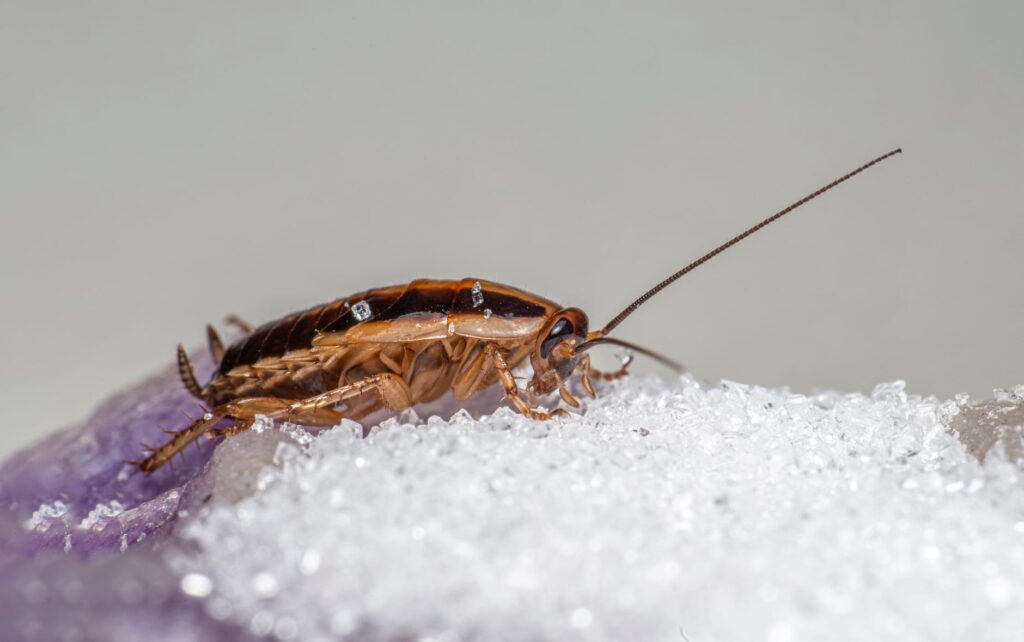
German cockroaches are light brown to tan and about ½ to ⅝ of an inch long, with two dark stripes running down their backs. Brown-banded cockroaches are similar in size but can be identified by lighter brown banding across the wings and abdomen, and a circular marking on the top of the head.
American cockroaches are larger. Smoky brown cockroaches are reddish brown to nearly black and typically measure between 1¼ and 1½ inches long. Oriental cockroaches are dark brown to black and about 1 inch long. Asian cockroaches are tan and narrow, slightly over ½ an inch long, with two dark bands on the head shield.
How to Spot Cockroach Activity Inside Your Home
Identifying the species present is important because each type behaves differently indoors. German cockroaches are most commonly found inside homes. Brown-banded cockroaches may also establish themselves indoors. Recognizing the species helps determine the right approach.
Oriental cockroaches are commonly found in damp areas such as crawl spaces, basements, and drains. Asian cockroaches are often attracted to light, which can draw them inside through open doors and windows.
Where Cockroach Activity Shows Up Around Homes
American and oriental cockroaches usually come from outdoors, plumbing areas, or crawl spaces. Smoky brown cockroaches tend to gather around foliage, mulch, and areas near entry points, and they can move into attics or wall voids.
Knowing which species you are dealing with helps narrow down where signs of a cockroach problem are most likely to appear around the exterior of your home.
Exterior Entry Points Cockroaches Use
Cockroaches that originate outdoors can enter through cracks and other openings along the exterior of your home. Sealing cracks and entry points is one way to make your home less accessible. Fixing moisture issues and reducing clutter also help make the area around your home less attractive to cockroaches.
Because different cockroach species use different pathways, correctly identifying the species present is a key part of understanding where they are getting in and how to address the problem.
Why Cockroach Infestation Problems Develop
Cockroach problems develop when a home provides the three things these pests need most: food, water, and hiding places. Reducing all three is essential to preventing infestations. Understanding where cockroaches shelter, what draws them inside, and how they travel through a structure helps you spot warning signs early.
Outdoor Nesting Areas for Cockroaches
American cockroaches may come into contact with human excrement in sewers or with pet droppings outdoors, picking up bacteria along the way. According to UC IPM, these cockroaches are capable of transmitting bacteria that cause food poisoning, including Salmonella spp. and Shigella spp. Outdoor areas such as sewers and spaces near pet waste give cockroaches a foothold before they move closer to your home.
Hiding places vary depending on the species, so correctly identifying which cockroach you are dealing with is an important first step. Directing control efforts to the wrong areas can leave the real nesting sites untouched.
Food and Shelter That Attract Cockroaches
Cockroaches are drawn to available food and water sources. The American cockroach, for example, likes fermenting foods such as bread soaked with beer. When these resources are easy to reach, cockroach populations can multiply indoors.
As Kansas State University Extension notes, one of the most important steps a homeowner can take is sanitation. Although removing all food, water, and hiding places is difficult, good housekeeping can help minimize favorable habitats and reduce the conditions that lead to visible infestation signs.
How Cockroaches Move Around Homes
Once cockroaches find a suitable habitat, they leave behind evidence as they move through a structure. According to UC IPM, good monitoring sites can be identified by accumulations of fecal matter such as dark spots or smears, cast skins, egg cases, and live or dead cockroaches. These clues often show up near the areas cockroaches travel most.
Getting rid of a cockroach infestation is difficult and typically requires an integrated pest management approach that combines several control strategies. A single method rarely addresses the full scope of the problem.
Trails and Entry Points Cockroaches Use
Cockroaches follow consistent paths between their hiding places and the resources they need. Sealing known and potential hiding places along these trails limits where cockroaches can harbor and makes monitoring easier.
Monitoring spots where you notice fecal traces or egg cases can reveal the trails cockroaches use most, giving you a clearer picture of how the infestation is moving through your home.
Health and Property Risks From Cockroach Infestations
When cockroach activity is present, it suggests roaches are hiding and reproducing nearby. The longer activity goes unaddressed, the harder it can be to manage.
Health Risks Linked to Cockroach Infestations
Cockroaches live and feed in unsanitary environments, including rotting and bacteria-filled biological matter. As they move through your home, they can spread harmful bacteria across countertops, tables, and food preparation areas. Diseases linked to cockroach activity include dysentery, typhoid fever, cholera, salmonellosis, and gastroenteritis.
Cockroaches can also affect indoor air quality. Their shed skins and fecal material break down into tiny particles that become airborne and may trigger allergies, asthma, and other respiratory issues. The larger the infestation grows, the greater these concerns become.
Property Damage From Cockroach Infestations
Cockroaches tend to concentrate in hidden areas throughout your home. According to Purdue Extension, common hiding spots include crevices near the kitchen sink and stove, underneath and inside cupboards, around pipes and conduits where they pass along or through walls, in and around water heaters, inside the motor compartment of refrigerators, and behind skirting boards. Fecal deposits in these areas can stain and damage surfaces over time.
How Cockroaches Affect Food Preparation Areas
Kitchens and food storage areas deserve close attention. Cockroaches hide in cabinets, under sinks and appliances, in corners, and along baseboards. These spots overlap with where you store and prepare meals, which raises the risk of contamination. German cockroaches in particular spend their lives indoors, often staying close to food and moisture sources.
When to Take a Closer Look at Cockroach Activity
If you find fecal spots, cast skins, egg cases, or live cockroaches, it is worth inspecting every surrounding crack and crevice. Multiple cockroach species may be present at once, and each species may favor different hiding areas in your home.
Professional Pest Control for Cockroach Infestations
Once you confirm cockroach activity, the next step matters. Good sanitation and sealing entry points are important, but according to UC IPM, these measures alone will not solve cockroach problems. A layered approach that pairs your own prevention efforts with professional pest control gives you the best chance of addressing the full scope of the issue.
How to Reduce Cockroach Attractants
Keeping your home clean and dry is one of the most practical steps you can take. Wipe down kitchens and bathrooms regularly, seal cracks and entry points, fix moisture issues, and reduce clutter. These changes make your home less inviting to cockroaches by limiting the resources they depend on.
Sanitation and exclusion support any pest control effort. Without reducing what draws cockroaches in, treatments on their own may fall short. Consistent upkeep creates conditions that are harder for cockroaches to thrive in over time.
Why Cockroach Control Starts With an Inspection
Before any treatment begins, a thorough inspection helps identify which cockroach species is present and where activity is concentrated. Brandley Pest Control’s service professionals check interior and exterior areas of your home, looking for evidence of cockroach presence and the conditions supporting it.
Correctly identifying the species guides the entire approach. American and Oriental cockroaches typically enter from outdoors, while German cockroaches are most commonly found indoors. Each type calls for a different treatment focus, which is why inspection comes first.
What to Expect During Professional Cockroach Treatment
For serious indoor infestations and other large or complex cockroach problems, serious indoor infestations often require professional pest control services. Brandley Pest Control tailors treatment to the species involved. For cockroaches entering from outside, the focus is on exterior perimeter treatments and entry point control. For indoor species, targeted interior applications such as gel baits and technicians apply targeted interior treatments such as gel baits and crack and crevice applications.
Bait placement matters. Many small, pea-sized placements in cracks and crevices where cockroaches hide are more effective than fewer, larger ones. This approach puts treatment directly where cockroaches spend most of their time.
What to Expect From a Cockroach Control Plan
Brandley Pest Control’s Pest Maintenance Plan includes communication, inspection, and interior and exterior crack and crevice treatment. Cockroaches covered in the service area include American, German, brown-banded, smoky brown, Asian, and Oriental cockroaches. Add-on services such as attic dusting or crawl space dusting are available when the situation calls for additional coverage.
Ongoing professional pest control helps create a protective barrier and works alongside your own prevention habits. Your service professional may recommend specific changes to your home environment during the inspection process.
Bottom Line on Dealing With Cockroach Infestations
Recognizing signs of cockroach infestation early gives you the best chance to address the problem before it grows. Knowing what to look for, keeping your home clean and dry, and sealing up entry points all play a role in keeping cockroaches out. When the situation calls for professional help, Brandley Pest Control offers same-day scheduling and tailored treatment plans for the cockroach species found in our service area. Contact Brandley Pest Control to request an inspection and get your home back on track.
Frequently Asked Questions
What Are the First Signs I Might Have Cockroaches?
You may notice dark spots or smears in corners, along baseboards, or inside cabinets. Shed skins and egg cases in hidden areas are also common indicators. Seeing even one live cockroach during the day can suggest a larger population nearby, since cockroaches tend to stay hidden.
Why Does the Cockroach Species Matter for Treatment?
Different cockroach species behave differently and respond to different control approaches. Correctly identifying the species helps direct treatment to the right areas. For example, German cockroaches typically stay indoors, while American and smoky brown cockroaches often enter from outside. Brandley Pest Control tailors its approach based on the species involved.
Can I Handle a Cockroach Problem on My Own?
Basic prevention steps like reducing food and water sources and sealing cracks can help. However, DIY sprays and over-the-counter products often push roaches deeper into hiding, making the problem harder to control. For larger or persistent issues, professional pest control is often the better path forward.
How Does Brandley Pest Control Treat Cockroaches?
Brandley uses species-specific treatments. For German cockroaches, that includes gel baits, crack and crevice applications, and growth regulators targeting hidden nesting areas. For outdoor species like American and Oriental cockroaches, the focus shifts to exterior perimeter treatments and entry point control. Smoky brown cockroaches may require exterior treatments around foliage and mulch, along with attic or wall void treatments when needed.