
If you notice small, fuzzy balls in corners or near spider webs, they may be spider egg sacs. Many Yukon homeowners see these and are not sure what to do next.
Spider egg sacs often appear in basements, garages, and other quiet areas. Since spiders lay eggs in protected areas, these sacs often go unnoticed until they hatch, releasing many baby spiders into your home.
Knowing what spider egg sacs look like helps you catch a problem early. It also helps you decide if simple cleanup is enough or if you need spider control.
Key Takeaways
Spider egg sac identification by species
Spider egg sacs look similar to dust, lint, and old webbing — and the species that left one behind changes how urgent the situation is. Knowing which spider produced a sac helps you decide whether cleanup alone is enough or whether more is needed.
- Spider egg sacs are small, silk-covered bundles that hold baby spiders.
- Most are off-white or tan and found in quiet indoor areas.
- Common spots include basements, attics, garages, and storage areas.
- Not all debris is an egg sac, so knowing the difference matters.
- Removing them early can help prevent a spider infestation.
What Spider Egg Sacs Look Like
Spider egg sacs are easy to miss if you do not know what to look for. Most look like cotton balls or small puffs of lint attached to surfaces.
Shape and Size
Most spider egg sacs are round or slightly oval. They are usually the size of a pea or a marble. A female spider uses silk to create these sacs and protect the eggs inside.
Color and Texture
Many sacs are off-white, tan, or light brown. Some may look darker depending on the species. The texture can be smooth or fuzzy, like a soft bundle of threads.
Placement in Webs
Some spiders attach egg sacs to webs, while others hide them nearby. Common house spiders and orb weaver spiders often leave them in visible areas of the web.
Differences by Spider Type
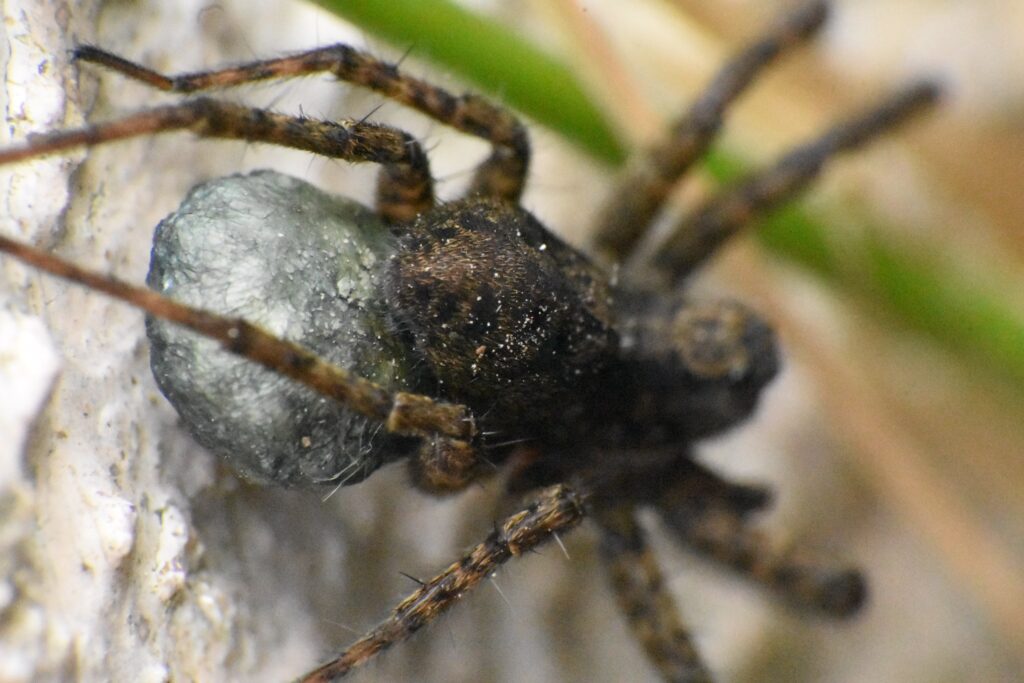
Different types of spiders create different sacs. A black widow spider often produces a rounder, smoother sac, while brown recluse spiders may produce flatter ones. Wolf spiders are different because they carry their egg sacs rather than leave them behind.
Where Egg Sacs Are Found Indoors
Spider egg sacs often appear in places where spiders feel safe, especially in low-traffic areas with steady conditions.
Basements and Attics
Basements and attics are some of the most common spots. These areas often have crevices where spiders can hide and lay eggs.
Garages and Storage Areas
Garages and storage areas attract spiders because they offer shelter and food, such as crickets and other insects. Boxes and clutter give spiders places to hide egg sacs.
Corners and Ceilings
Look closely at ceiling corners, behind furniture, and along trim. Spider webs often collect in these areas. You may also find egg sacs behind stored items, inside closets, or under shelves.
Behind Items and Clutter
Spiders prefer secluded areas where they will not be disturbed.
How to Tell Spider Egg Sacs From Household Debris
It’s easy to confuse spider egg sacs with dust, lint, or debris from other pests like wasps. Knowing the difference helps you spot a pest problem early.
Dust or Lint Buildup
Dust spreads out and looks loose, while a spider egg sac stays compact, keeps its shape, and sticks to surfaces.
Old Spider Webs
Old spider webs look messy, but do not form a dense, rounded bundle. Egg sacs are thicker and more compact than regular webbing.
Insect Nests or Debris
Some insect nests may look similar, but they often have visible openings or structures. A spider egg sac is typically sealed and more uniform in shape.
Movement or Changes
If eggs hatch, you may see spiderlings nearby. Seeing spiderlings is a strong sign you are dealing with spider egg sacs, not debris.
What to Do if You Find Egg Sacs
If you find them, acting quickly can help prevent a spider infestation.
Remove Safely With a Vacuum
A vacuum cleaner is a common way to remove visible egg sacs. A hose attachment works best for corners and ceilings.
Avoid Crushing by Hand
Avoid crushing egg sacs by hand, because this can release baby spiders and spread the problem. Dispose of the vacuum bag right away so eggs do not hatch inside.
Seal Cracks and Entry Points
After removing egg sacs, seal cracks and gaps around your home. Sealing these entry points helps stop spiders from returning and laying more eggs.
Reduce Hiding Spots
Clean up clutter in basements, garages, and storage areas. Fewer hiding spots mean fewer places for spiders to lay eggs and build webs.
Consider Professional Help
If you keep finding spider egg sacs, it may mean you have a larger spider infestation. Professional pest control services can inspect your home, identify entry points and crevices, and provide targeted spider control.
More sacs can mean spiders are active in multiple areas of your home. A professional pest control visit includes a full inspection and treatments designed to reduce the spider population and help prevent future issues.
Schedule a Spider Inspection
If spider egg sacs keep appearing, it may point to a larger problem in your home. More sacs often mean spiders are active in multiple areas of your home.
Schedule a spider inspection if egg sacs keep appearing. A professional can inspect entry points, crevices, and hidden areas, then treat the problem.
Brandley Pest Control helps homeowners in Yukon and nearby areas handle spider control early. With thorough inspections and ongoing pest control services, you can reduce spider activity and keep spiders under control in your home.
Contact us today to schedule an inspection.
FAQs
What do spider eggs look like inside the sac?
You will not see the eggs unless you open the sac. Inside, they look like tiny white or cream-colored dots grouped together. Each sac can hold dozens of baby spiders, depending on the spider species.
Are spider egg sacs dangerous?
Most are not dangerous, but they can mean more spider activity in your home. Some spiders, like black widow or brown recluse spiders, can pose health risks if they are present in your home.
How do I get rid of spider eggs for good?
Start by removing visible sacs and cleaning the area. Seal entry points and reduce clutter. If egg sacs keep appearing, professional pest control is one of the best ways to stop the cycle and reduce future problems.