
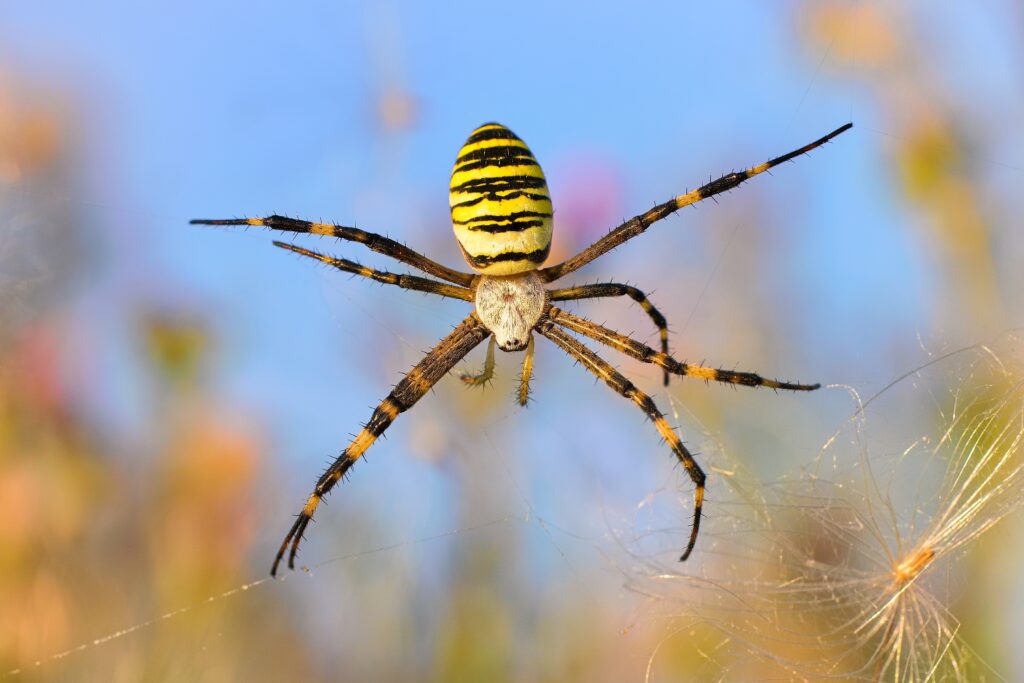
If you keep seeing spiders in your home, you may wonder what eats them indoors and if anything helps control them. In Northwest Oklahoma City, many homeowners see house spiders, cobwebs, and hidden pest activity.
Spiders are arachnids, and they are not always the top hunters inside your home. Several predators eat spiders, and their presence can signal other pest activity in the home.
When multiple pests are active, there are often many small insects and hiding places available. These conditions can lead to a growing spider population or even an infestation over time.
Knowing what eats spiders and why they still show up helps you take the right steps, including when to consider spider control to protect your home.
Key Takeaways
- Several pests and animals eat spiders indoors.
- Spider predators often mean other pests are present.
- Spiders follow small insects for food.
- Cobwebs and hiding places help spiders stay hidden.
- Pest control helps reduce spider and other pest populations.
What Eats Spiders Indoors
Several natural predators eat spiders inside your home.
Centipedes
Centipedes are among the most common predators of spiders. These fast hunters target spiders and other arthropods at night. If you see centipedes, it may mean small insects are present indoors as a food source.
Other spiders
Some spider species hunt other spiders. A cellar spider can trap and eat other spiders, including large species such as black widows and brown recluses. Wolf spiders and jumping spiders may also hunt instead of relying on spider webs, while hobo spiders may compete with other spider species for the same food indoors.
Wasps and Spider Wasps
Certain wasps, including spider wasps and tarantula hawks, target spiders to feed their young, often going after spiders that use venom to subdue insects.
Small Animals and Reptiles
Sometimes, geckos or amphibians may eat spiders if they get inside your home. These predators are uncommon indoors but may appear in certain conditions.
Birds Near Entry Areas
Birds like wrens may eat spiders around doors or garages, reducing spider activity near entry points.
Why Spiders Still Show Up in Homes
Even with predators, spiders still find ways inside.
Food Sources Attract Them
Spiders rely on small insects like crickets, cockroaches, and fleas for food. When these pests are active indoors, they support increased spider activity.
Plenty of Hiding Places
Homes have many hiding places, including crevices, storage areas, and clutter. Common house spiders stay hidden during the day and come out at night.
Stable Indoor Conditions
Indoor spaces let spiders build cobwebs and sticky webs without disturbance, helping them remain established over time.
Egg Sacs Increase Activity
Female spiders leave egg sacs in hidden spots. Once they hatch, spider activity can increase, leading to spider infestations under the right conditions.
Other Pests Active at Night in Kitchens
Spiders are not the only pests active at night.
Cockroaches and Crickets
Cockroaches and crickets are common at night and often hide in dark areas. Both serve as a steady food source for spiders, potentially increasing spider activity indoors.
Centipedes
Centipedes are also active at night and feed on spiders and other pests. Their presence may indicate a broader pest issue.
Bed Bugs and Fleas
Bed bugs and fleas may also be active at night. While they do not eat spiders, they add to the overall pest problem inside your home.
What to Do if You See Multiple Pest Types
Seeing more than one pest means it is time to act.
Identify Entry Points
Check your home for gaps around doors, windows, and the foundation. Sealing entry points helps keep pests out.
Reduce Food Sources
Cleaning up crumbs, removing clutter, and limiting small insects helps reduce what attracts spiders and pests.
Remove Webs and Hiding Spots
Clearing cobwebs and reducing hiding places can lower the spider population over time.
Avoid Relying Only on DIY
DIY steps can help in the short term, but they often miss larger issues when multiple pests are involved. Professional pest control services can address spiders and underlying pest issues, helping reduce long-term activity.
Consider Pest Control Services
Professional pest control services treat spiders and their food sources, which can reduce long-term activity and lower future risk.
Schedule a Pest Inspection in Northwest Oklahoma City
If you’re seeing spider predators along with spiders, it means your home supports ongoing pest activity. Handling one pest at a time rarely solves the problem.
A full inspection examines hiding places, entry points, and food sources that enable pests to thrive. Professionals design treatments to target spiders and the pests they rely on, based on what they find during the inspection.
Brandley Pest Control provides pest control and spider control services in Northwest Oklahoma City.
If you want to reduce spider populations and keep your home more comfortable, contact us.
FAQs
What eats spiders the most indoors?
Centipedes are one of the most common spider predators indoors. They hunt spiders and other small insects, especially at night.
Do spiders help control pests?
Yes, spiders eat pests like crickets and flies. However, a high spider population often means a strong food source is attracting them.
Is it bad to see multiple pests at once?
Yes, it can signal a larger pest issue. When spiders, centipedes, or other pests are present together, it often suggests that your home may be experiencing ongoing pest activity.